Napareuli
Napareuli
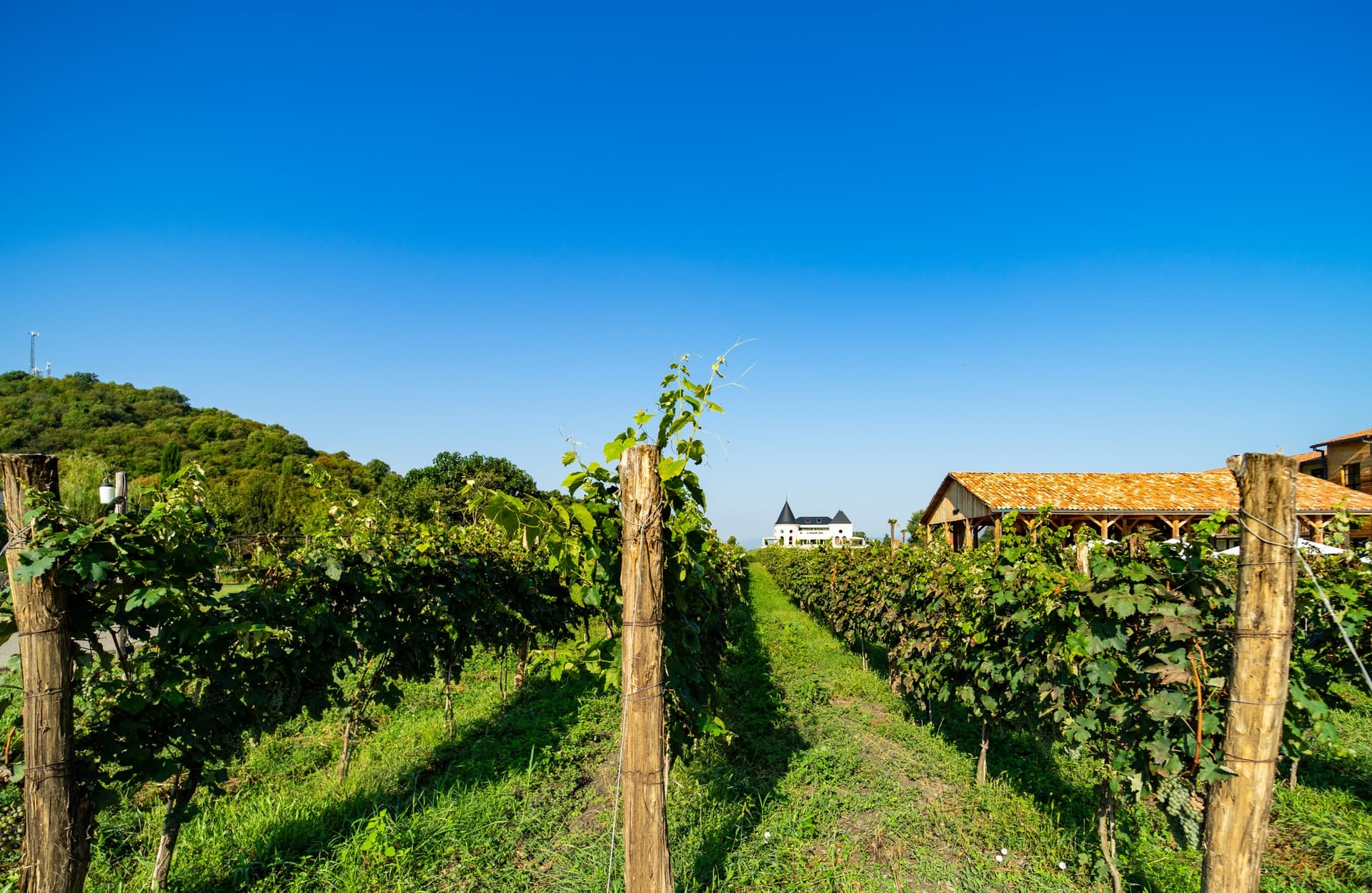
In the heart of Kakheti, Napareuli concentrates two centuries of wine-making heritage, its ancestral qvevris and a castle overlooking the Alazani valley.
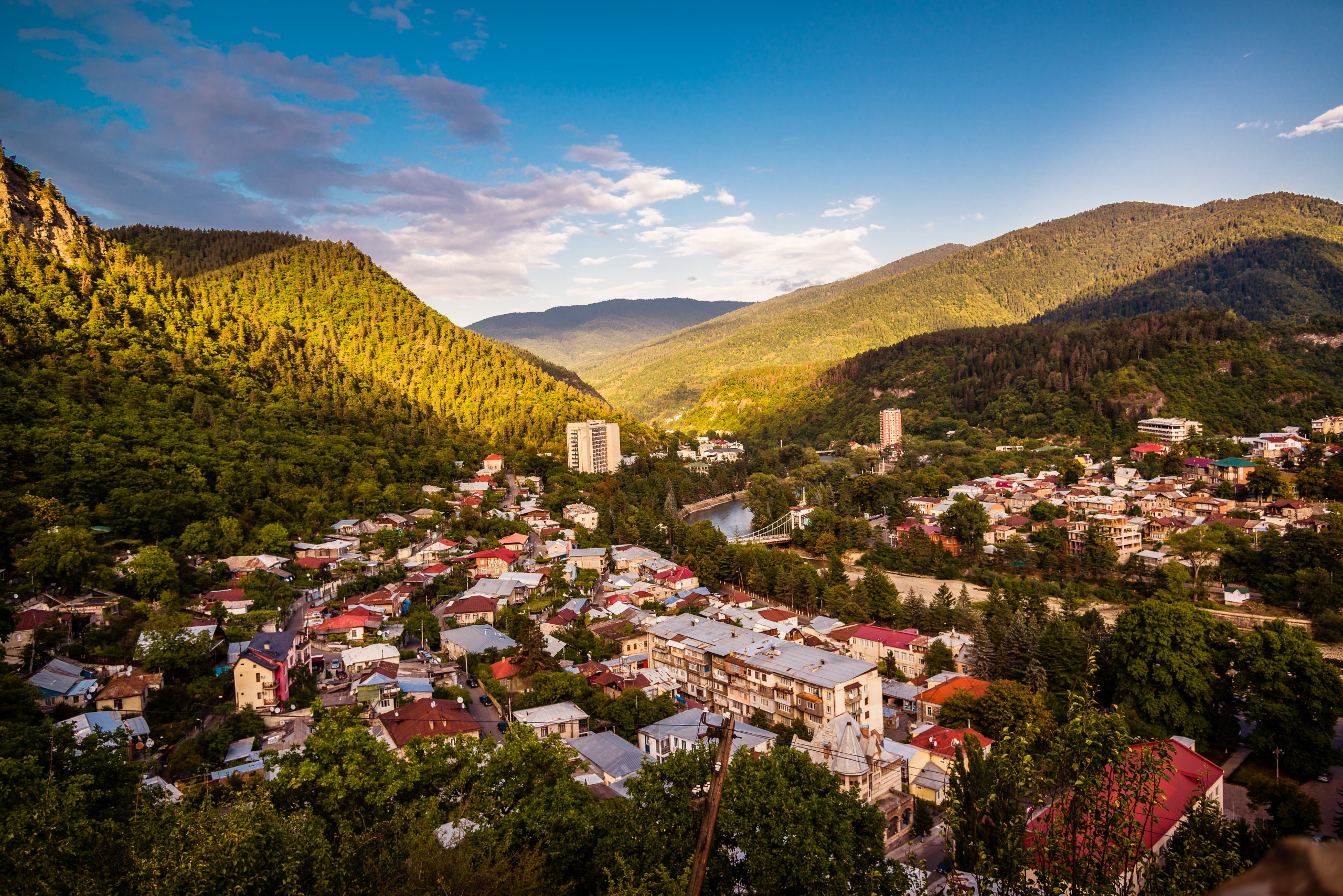
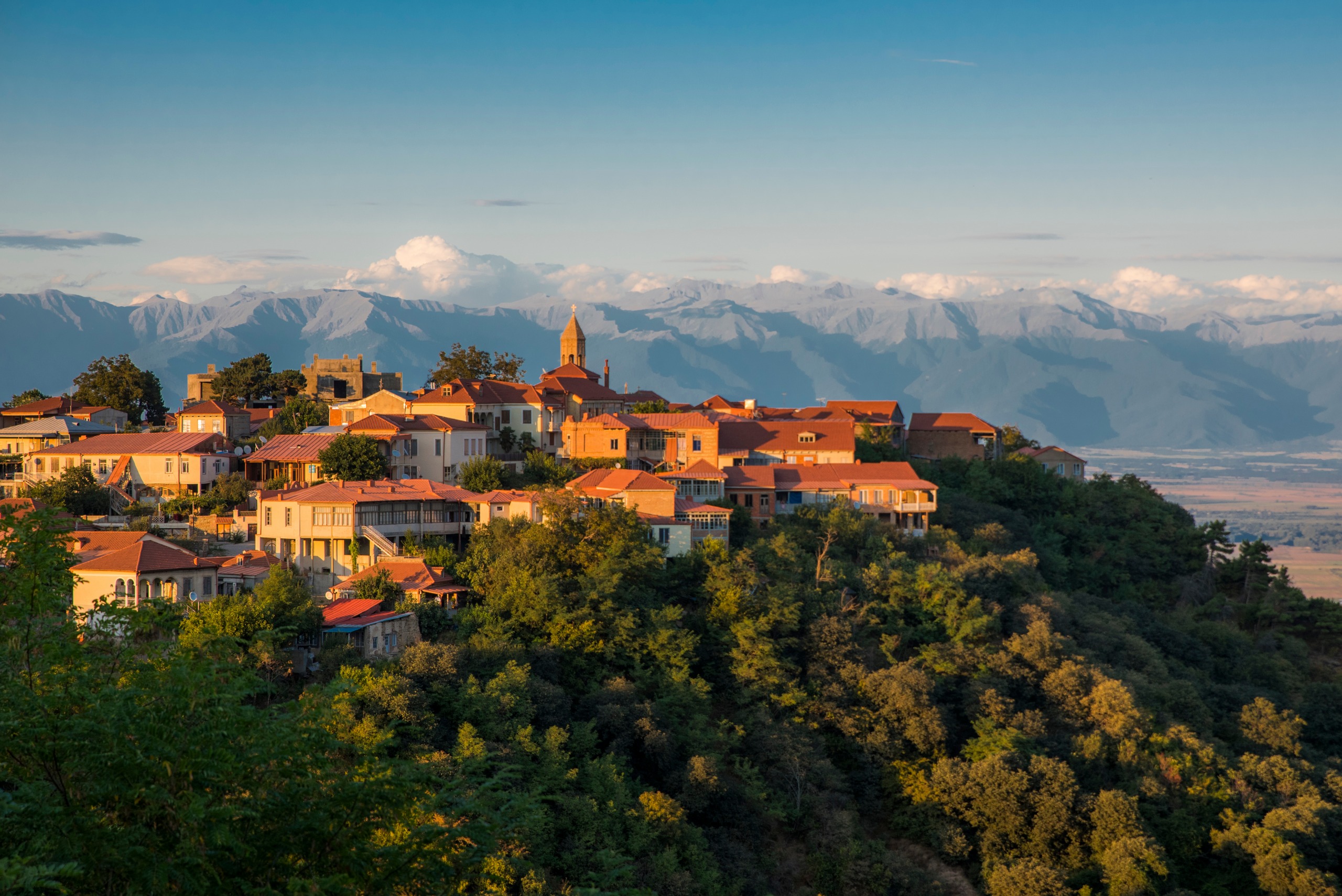
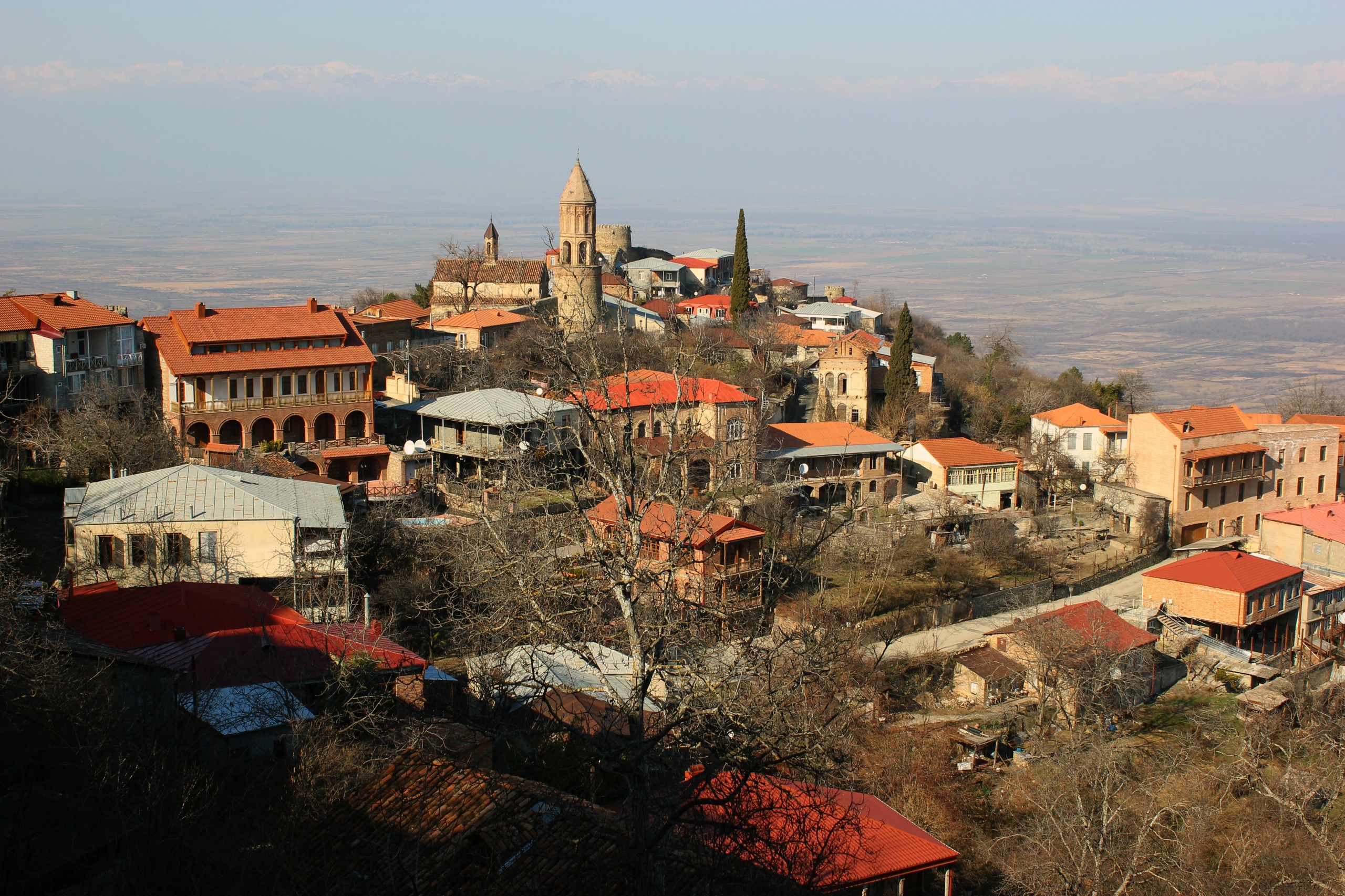
A destination beloved by wine enthusiasts, Napareuli is a charming village renowned for its wine production. Nestled in the Kakheti region of Georgia, it draws you into a whirlwind of flavors, wonder and historical discoveries.
History
It was in 1797 that Aleksandre Chavchavadze began managing the estates of Kakheti and the village of Napareuli, following the death of his father. By implementing sound reforms, he brilliantly managed the vineyards. The quality of the vines and wines also improved. Later, in 1886, the lands in Tsinandali, Napareuli, Mukuzani, Zegaani and Mughanlo, covering an area of 16,447 hectares, were acquired by the Department of Royal Estates. Among them, Napareuli was the largest estate, with nearly 11,000 hectares of which 140 hectares were vineyards. At that time, it had six presses, three stone cellars and 164 qvevris.
The new owner quickly modernized Napareuli by adopting new technologies and modern equipment. It was at this time that the prestigious wine brands "Napareuli" white number 66, and "Napareuli" red, number 47, were born. The first production was in 1890 and the first wines were presented at numerous competitions and exhibitions. Through the 1890s, Napareuli white shone with 1 gold medal, 6 silver medals and 1 bronze medal, while "Napareuli" red won 6 gold medals and 2 silver medals.
Experienced winemakers from the Department of Royal Estates, such as Masano, Aleksandr Egorov, Mark Popich, Tripon Baakashvili, and Gogol-Janowski played an essential role in the development of local viticulture.
Moreover, Napareuli is home to a glorious castle that served as a refuge for Georgians during attacks by Muslim enemies.
Location
Napareuli is located in the municipality of Telavi, approximately 25 km to the north, in the Kakheti region of Georgia. The village extends along the left bank, near the Caucasus Mountains, at an altitude of approximately 420 meters. This destination is situated at a latitude of 42°3′ north and a longitude of 45°31′, with an altitude of 400 to 500 meters above sea level.
Napareuli comprises the villages of Saniore, Jughaani, Artana, Pshaveli and Laliskuri. The vineyards stretch along the tributaries of the Alazani, on the lower course of the Stori and Didkhev-Lopota, flowing from the Caucasus Mountains.
The Climate
Napareuli enjoys a humid climate with mild winters and hot summers. The village receives approximately 2,050 hours of sunshine per year, with a maximum of 1,500 hours during the growing season. The average annual temperature is 12.4°C, reaching a minimum of +0.5°C in January and a maximum of +23.7°C in July and August. Average precipitation amounts to 845 mm per year, with a peak in spring. Air humidity of approximately 74% is ideal for the biological phases of the vine.
As for the first frosts, they arrive in November, while hail periods are rare, occurring about 1.6 times per year. Snow cover is unstable and extends from December to early March. Prevailing winds come from the west and southeast with an average speed of 1.9 m/s.
The Distinctive Qualities of Napareuli Wine
Napareuli wines are distinguished by their privileged geographical situation and favorable conditions. This wine region is renowned for the diverse production of red and white wines.
Dry red wine is produced exclusively from the Saperavi or Sepravi-Budeshuri grape varieties. It captivates with its richness, balance and aromas of berries, spices and ripe fruits, which intensify over time. Its chemical properties meet strict standards, with a minimum alcohol content of 11%, a final extract concentration of at least 22g/l, a sugar content not exceeding 4g/l and a titrated/volatile acidity of at least 5g/l.
As for white wine, it is mainly produced from the Rkatsiteli grape variety. It features a slightly golden hue, moderate acidity and an alcohol content above 11%. It is characterized by its fruity and floral notes. Its chemical properties also adhere to rigorous criteria, with a minimum alcohol content of 11%, a final extract concentration of at least 16g/l and a titrated/volatile acidity of at least 5g/l.
To reach Napareuli, you can fly to Tbilissi airport. Continue your journey by taxi to reach the village in just a few hours. If you prefer public transport, frequent buses and minibuses are available from Tbilissi and major surrounding cities. Traveling by train to Telavi, a neighboring city, is also convenient and quick. You simply need to continue your journey by taxi to Napareuli.
What About the Famous Napareuli Castle?
Situated on the southern slopes of the Caucasus, in the Kakheti region of Georgia, the magnificent Napareuli Castle is a must-see during your stay in Georgia. Just 120 kilometers from the capital Tbilissi, it offers breathtaking views of the Caucasus and the Alazani valley. Built in the 18th century, this complex architectural structure once served as a refuge for Georgians. Its imposing walls protected them from enemies. It is a must for immersing yourself in the history and culture of Napareuli.
Attractions in Napareuli
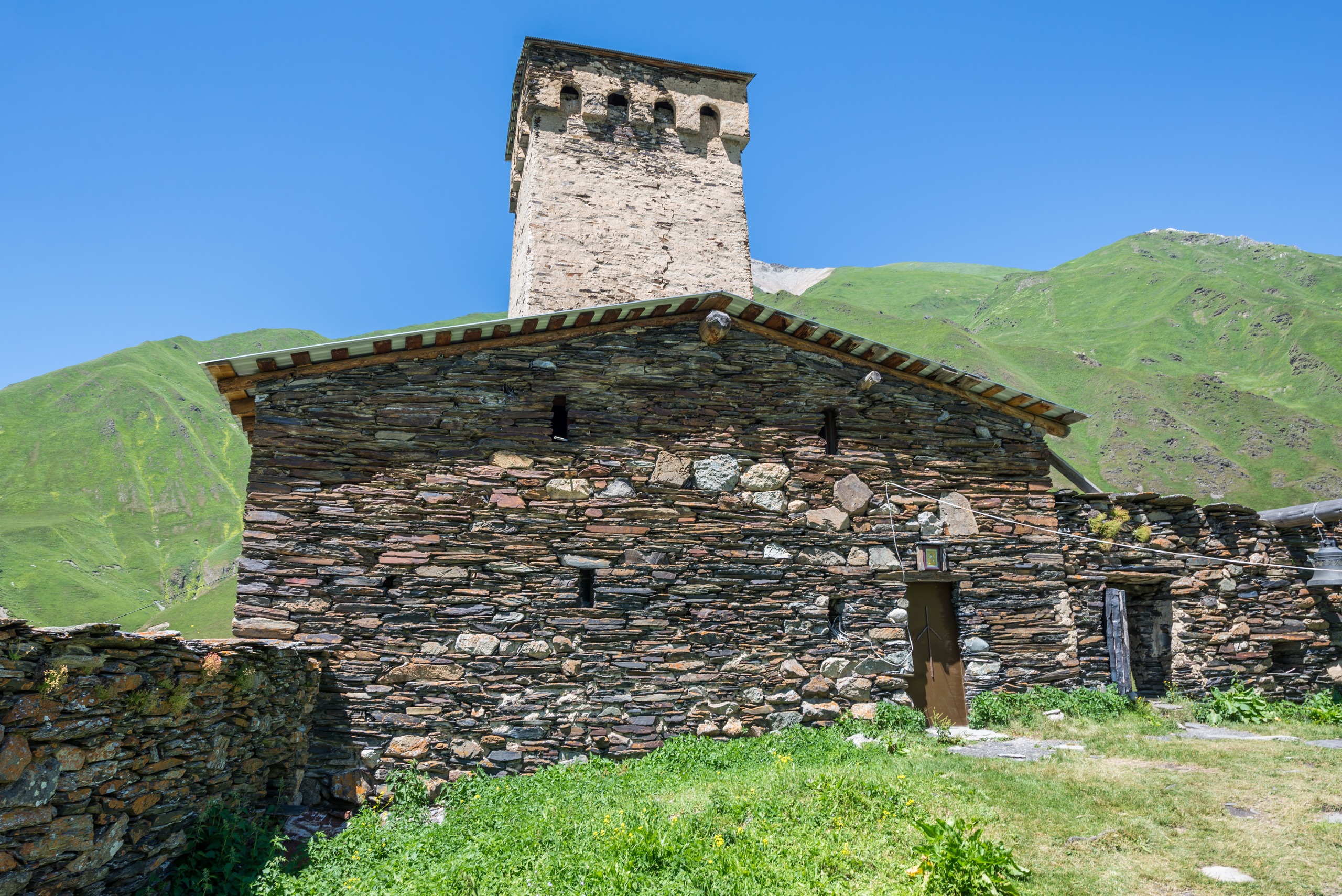
Chapelle de Lamaria
Église médiévale d'Ushguli, en Haute-Svanétie : fresques anciennes, tour svane et panorama sur le mont Chkhara au cœur du Caucase géorgien.
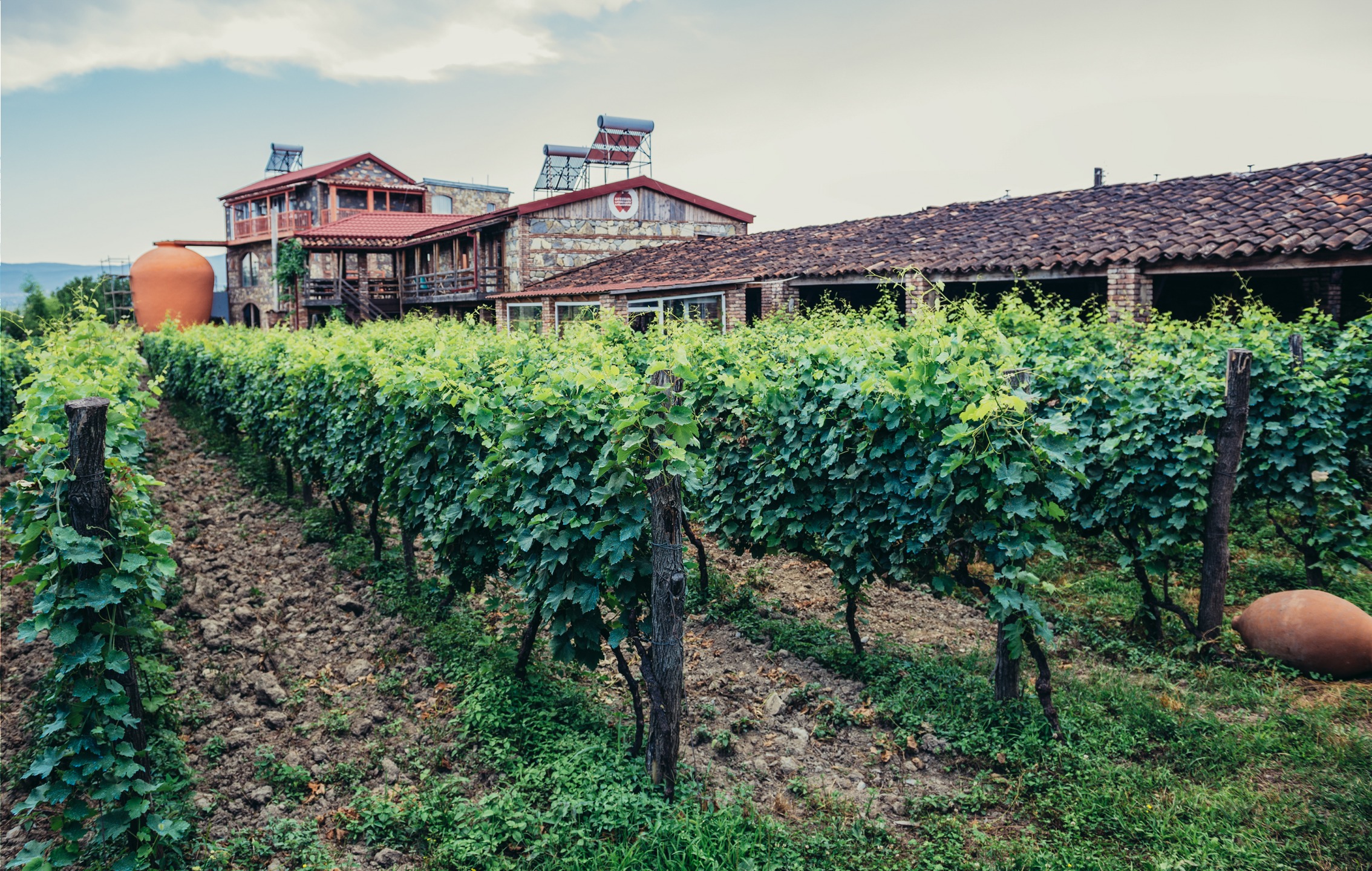
Musée du Qvevri
À Napareuli, en Kakhétie, le Musée du Qvevri raconte 8 000 ans de vinification géorgienne autour des jarres en argile inscrites à l'UNESCO.
Want to discover this destination?
Our local advisors design your tailor-made trip.