Narikala Fortress
Narikala Fortress
Perched on Sololaki Hill, Narikala Fortress has dominated Tbilisi since the 4th century. History, access, and viewpoints in this complete guide.
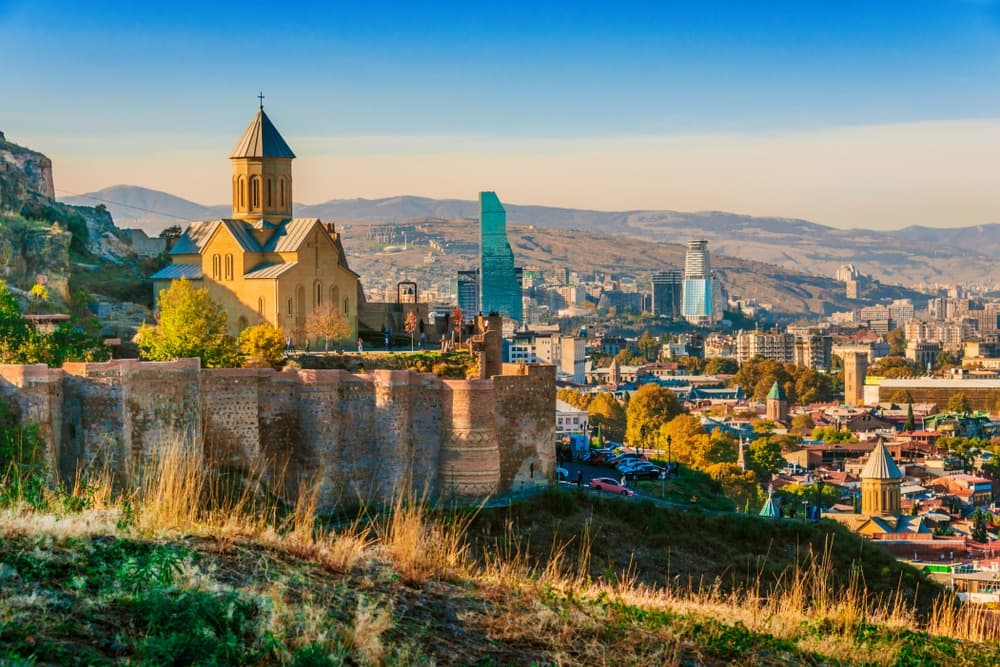
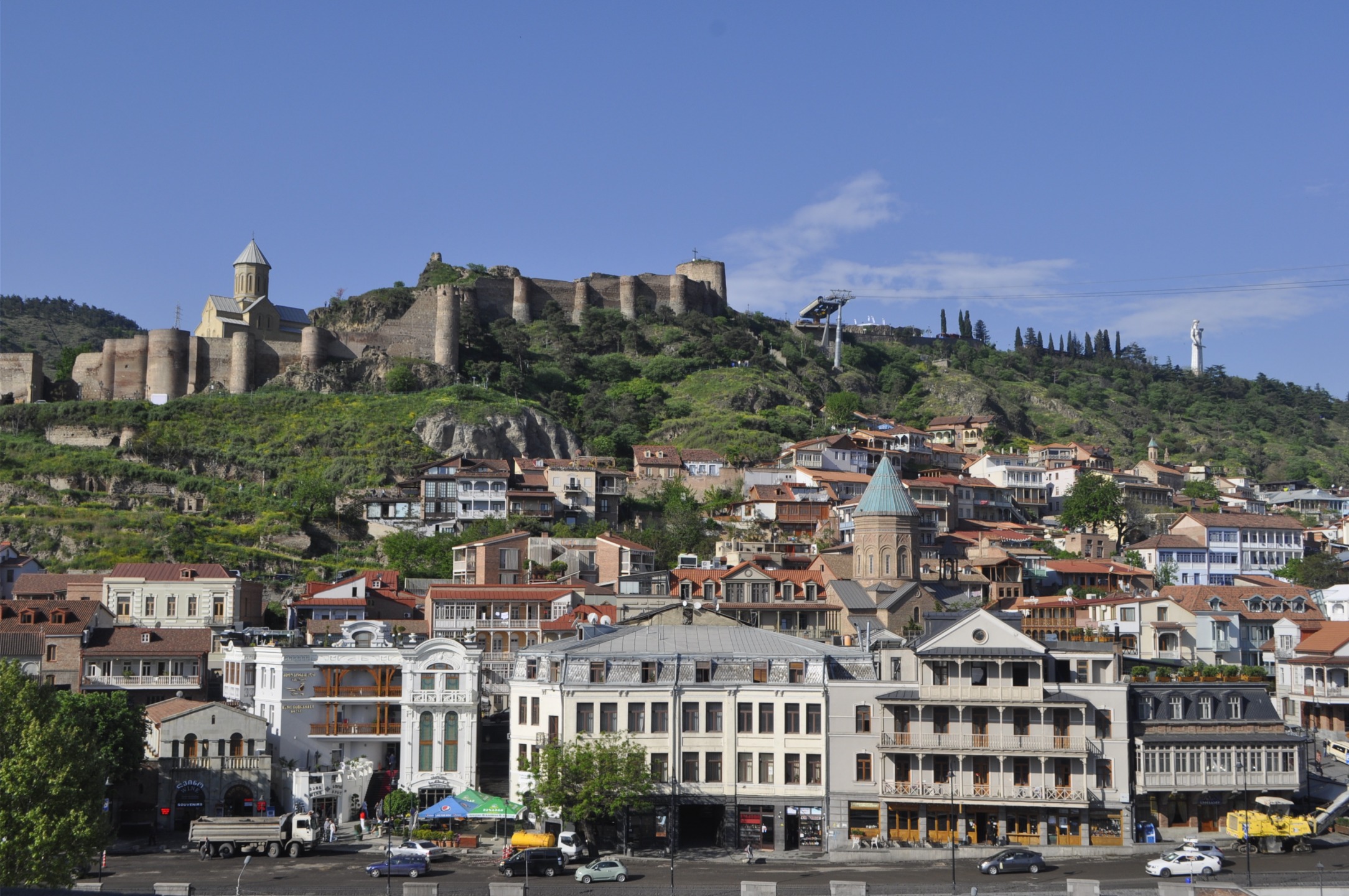
Narikala Fortress dominates the old town of Tbilisi from Sololaki Hill. Built from the 4th century onwards to monitor the Mtkvari River valley, it has withstood Persians, Arabs, Mongols, and Georgians before taking on, at the turn of the 18th century, the name by which it is known today.
Why visit Narikala Fortress
Narikala is one of the rare monuments in Tbilisi to concentrate more than sixteen centuries of military history in a single site. Its walls tell the story of successive dynasties who fought over the Caucasus, and its location remains the finest vantage point over the Georgian capital: the cobbled old town, the sulfur bath quarter, the Mtkvari's meanders, and on clear days, the silhouette of the Greater Caucasus to the north.
Access to the site is free and can be enjoyed equally well by day, for the stone volumes, or in the evening when the ramparts are illuminated. Plan for 1 to 2 hours of exploration depending on whether or not you combine it with a walk to the statue of Kartlis Deda.
History of the fortress
From origins to the Georgian kingdom
The fortress was built on the flanks of Sololaki Hill in the 4th century, at a time when Tbilisi was little more than a defensive post controlling the Mtkvari River outlet. It was first named Shukris Tsikhe, meaning "solitary fort." It later took the name Kalas Tsikhe, before being renamed Narin Kala following the Mongol invasion. Since the 18th century, it has retained the name "Narikala Fortress," meaning "small fortress."
Successive expansions
The citadel was enlarged by the Umayyads in the 7th century, making it the administrative center of Tbilisi's emirate, and later by King David the Builder (1089–1125), a major figure in the Georgian renaissance. Archaeological excavations revealed it originally consisted of two fortified enclosures. The current form of the ramparts dates largely from the 16th–17th century, a period of renovation under Ottoman and Persian influence.
The 1827 explosion and the reconstruction of Saint Nicholas
In 1827, an earthquake—combined, according to several sources, with the explosion of a Russian powder depot—destroyed a significant part of the fortress, including the 12th-century Saint Nicholas Church. Rebuilt between 1996 and 1997 as an exact replica of the original building, this small domed church now occupies the heart of the site and remains the most visited part of Narikala.
What to see on site
- The ramparts and towers: most of the foundations date to the 8th century, while the current curtain walls date from the 16th–17th century. You can move freely along the walls, with 360° viewpoints throughout.
- Saint Nicholas Church: a faithful reconstruction of the 12th-century building, featuring an interior adorned with contemporary frescoes retracing Georgian history.
- The statue of Kartlis Deda (Mother Georgia): a tall aluminum figure holding a wine cup and a sword, accessible from the fortress via a trail running along the ridge.
- Panoramic views over Tbilisi: sweeping views of the Abanotubani quarter and its sulfur baths, the old town, and farther afield, the Avlabari district and Sameba Cathedral.
Practical information
- Access: open-air site, open continuously and free of charge.
- Duration of visit: 1 hour for the fortress alone, 2 hours including the walk to Kartlis Deda and the return on foot to the old town.
- Best time: early morning for light and fewer crowds, or late afternoon for the ramparts' lighting.
- Tips: wear closed-toe shoes (uneven stones), bring water in summer, and avoid unsecured wall areas.
How to get there
Three options are available from the old town:
- On foot from Metekhi Square: turn right after the Jumah Mosque, or take the path after the Armenian Chapel. The steep route winds through narrow streets lined with traditional houses.
- By cable car: the Narikala line, built by Leitner in 2012, departs from Rike Park (Europe Square, left bank) and spans the Mtkvari over 508 meters. It's the quickest option, with a modest fare payable by rechargeable card.
- Along the ridge trail: from the fortress, you can continue on foot to the Kartlis Deda statue and descend via the botanical garden.
What to see nearby
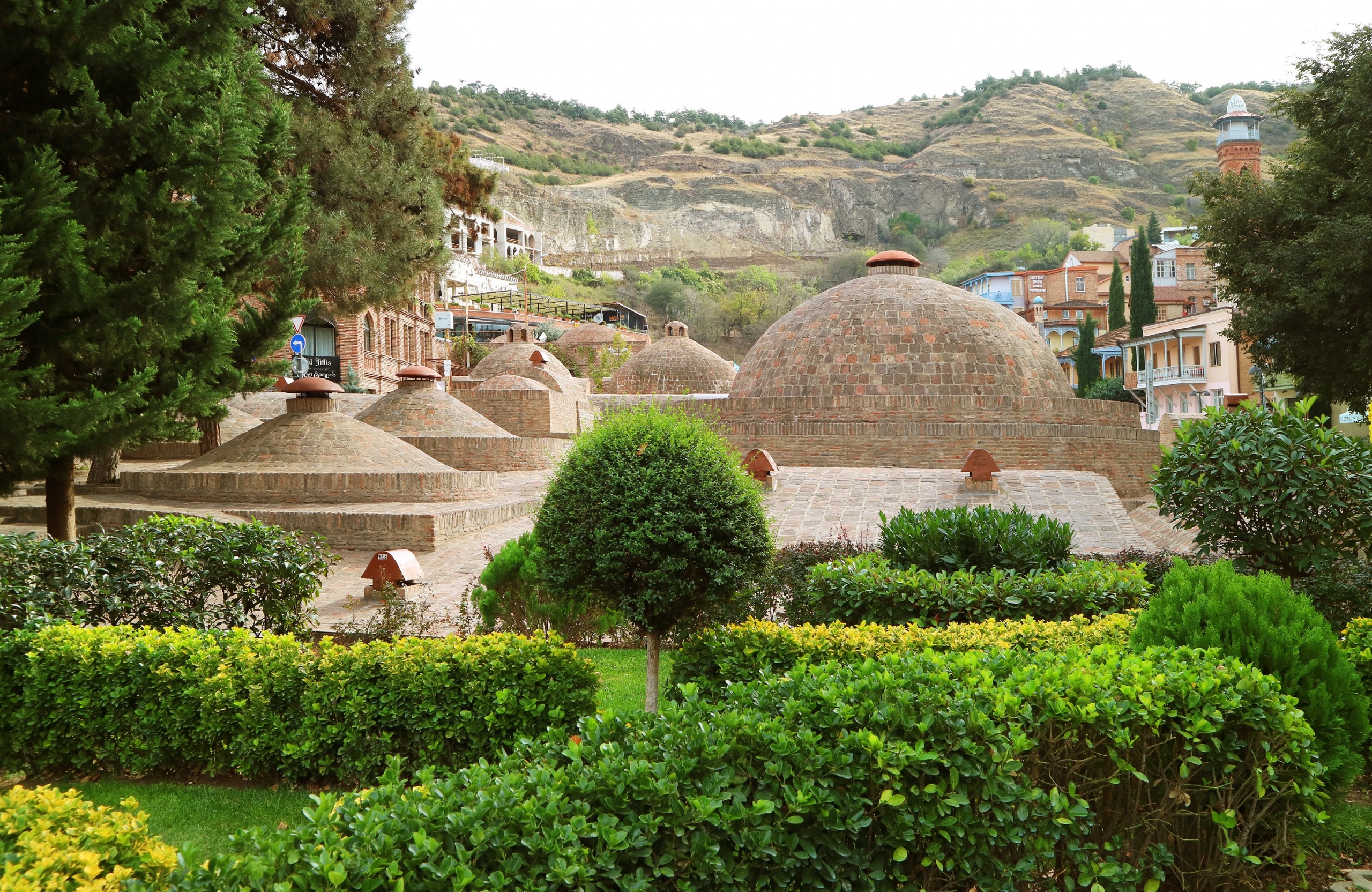
- The Abanotubani sulfur baths, directly below, a legacy of the Persian quarter nestled at the foot of the hill.
- Tbilisi Botanical Garden, on the southern slope of Sololaki, accessible in minutes from the fortress.
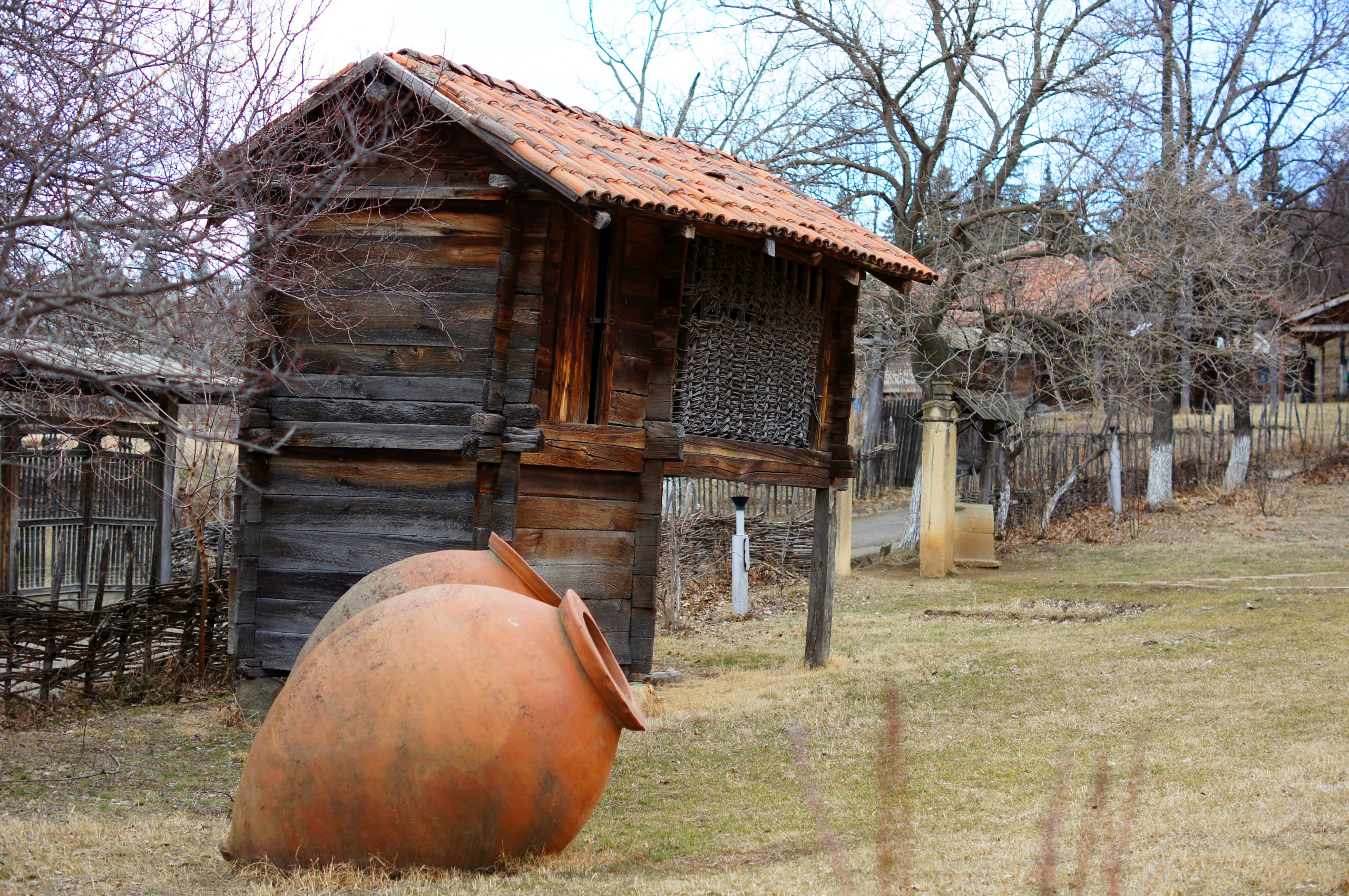
- The open-air ethnographic museum, to extend your visit with an exploration of traditional Georgian architecture.
- The Tbilisoba festival, in October, brings together regional music, dance, and cuisine in the old town's streets and at the fortress's foot.
Frequently asked questions
Frequently asked questions
Plan your visit with Nomadays
Narikala is one of the must-see stops during a Tbilisi stay, best combined with the sulfur baths, Sameba Cathedral, and an excursion to Bodbe Monastery or Ghelati Monastery. To build a complete itinerary, consult our Georgia travel packages.
Nearby
Interested in this visit?
We can include it in your personalised itinerary.