Prometheus Cave
Prometheus Cave
Twenty kilometers from Kutaisi, Prometheus Cave unfolds 1,420 meters of accessible passages across a 20 km network, 16 chambers, and an underground boat journey.
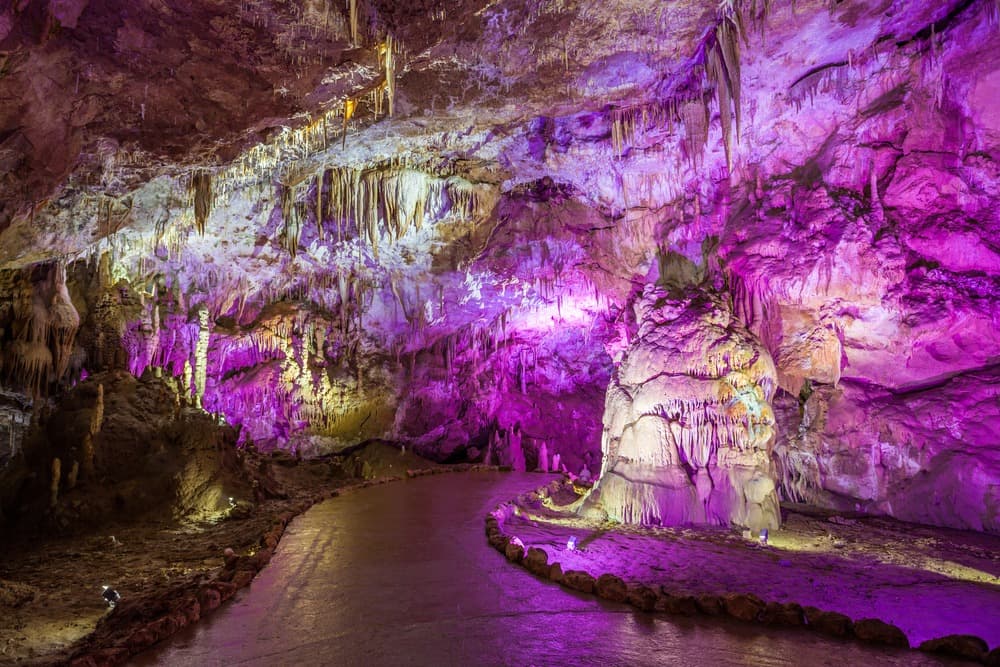
The Prometheus Cave, located in the village of Kumistavi in Imereti, about twenty kilometers from Kutaisi, is one of Georgia's most expansive karst formations. It shelters sixteen chambers adorned with stalactites, stalagmites, cave pearls, and underground rivers, offering a well-maintained tour lasting around one hour, punctuated by a short boat ride.
Why visit Prometheus Cave
The cave boasts several assets that make it a worthwhile stop during a stay in Western Georgia:
- A developed section of 1,420 meters easy to walk, within a total network of 20,000 meters.
- A diversity of limestone formations: stalactites, stalagmites, petrified waterfalls, curtains, and cave pearls.
- A boat ride of 280 meters along an underground river, available as an optional add-on.
- A stable temperature between 14 and 17 °C year-round, making it a comfortable visit even in the height of summer.
- Mythological significance linked to the legend of Prometheus and the voyage of the Argonauts in Colchis.
History and mythology
The cavern was discovered in 1983 by a team from the Vakhushti Bagrationi Institute of Geography. Surveys established a total development of 20 kilometers, only a fraction of which is open to the public. The site was developed for tourism in the early 2010s and welcomed 70,331 visitors in 2011, its first full year of operation.
The site's name refers to the Greek myth of Prometheus, the Titan chained by Zeus in the Caucasus Mountains for stealing fire from the gods and giving it to mankind. According to legend, an eagle came each day to devour his liver, which would regenerate each night. The region is also associated with the journey of the Argonauts seeking the Golden Fleece in Colchis, the ancient kingdom corresponding to present-day Western Georgia. These tales provide the site with a coherent cultural framework, though no archaeological evidence directly links the cave to these myths.
What to see in the cave
The accessible route traverses 16 chambers connected by walkways, with vault heights reaching 21 meters in places. Lighting is artfully staged to highlight volumes and formations, creating an intentionally scenic experience along the path.
- Limestone formations: suspended stalactites, stalagmites, draperies and curtains formed by water seepage, cave pearls on the floor.
- Petrified waterfalls: mineral flows frozen in time that testify to water's slow work on rock.
- Lakes and underground rivers: a permanent body of water with temperatures fluctuating between 13 and 14 °C.
- Boat navigation: at the end of the walking route, a 280-meter boat journey follows an underground river to the exit.
The air inside remains well-oxygenated and walking involves no technical difficulty. Plan on approximately one to one-and-a-half hours for the complete visit, including the boat ride.
Practical information
- Location: village of Kumistavi, Sataplia State Nature Reserve, Imereti region.
- Distance from Kutaisi: approximately 20 km to the north.
- Admission: modest entrance fee, supplement for the boat ride. Reduced rates for students. Prices vary—check on site or with your travel agency before your visit.
- Hours: daily daytime opening with extended hours during peak summer season. Last entry typically one hour before closing.
- What to bring: closed-toe slip-resistant shoes and an extra layer, as the air is cool and humidity is high.
- Accessibility: the tourist section is equipped with walkways and steps. To explore non-developed sections, specialized caving agencies must be arranged.
When to visit
Interior temperature remains constant, making the cave visitable year-round. The choice of season thus depends mainly on the outdoor climate in Kutaisi, which is humid subtropical, with annual rainfall of 1,530 mm.
- May to June and September to October: the most pleasant periods, with mild temperatures and moderate visitor numbers.
- July to August: warm summers (average of 23.2 °C in July), high visitation; the cave's coolness is particularly welcome.
- Winter: visits are possible despite average January temperatures of 5.2 °C and regular snowfall in the region; certain outdoor paths may be difficult to traverse.
How to get there
The cave is easily reached from Kutaisi by taxi or organized tour. To reach Kutaisi from Tbilisi:
- By train: from Tbilisi Central Station to Kutaisi I station, approximately 6 hours travel time.
- By minibus (marshrutka): from the Didube bus station in Tbilisi, departures approximately every hour, journey duration around 3.5 hours.
- By car: S1 highway from Tbilisi, approximately 3 to 4 hours depending on traffic.
- By air: Kutaisi International Airport, about thirty minutes by car from the site.
Once there, walking or horseback trails of 6 km allow you to extend your visit through the reserve's forests.
What to combine nearby
Prometheus Cave fits naturally into a day or short stay around Kutaisi:
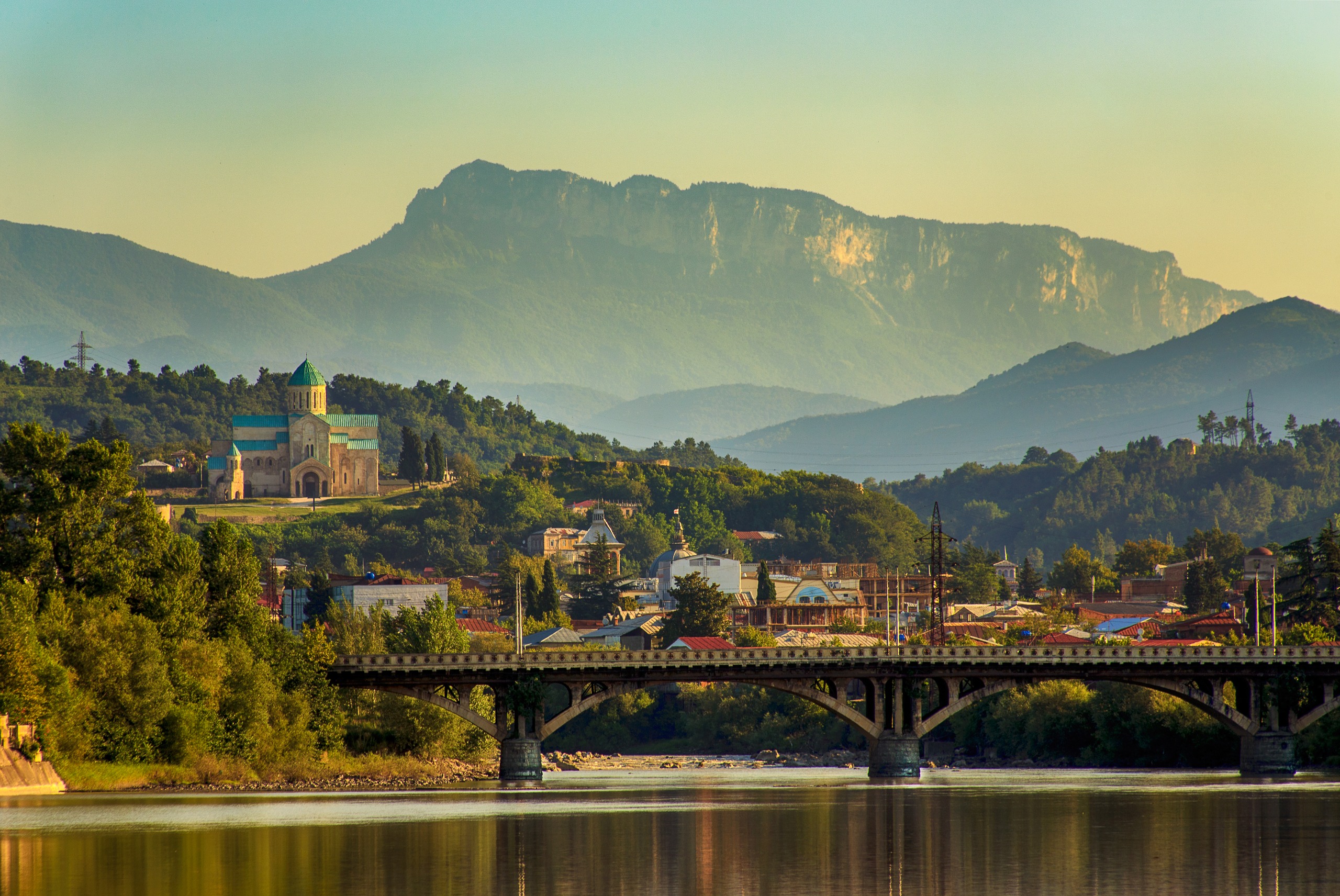
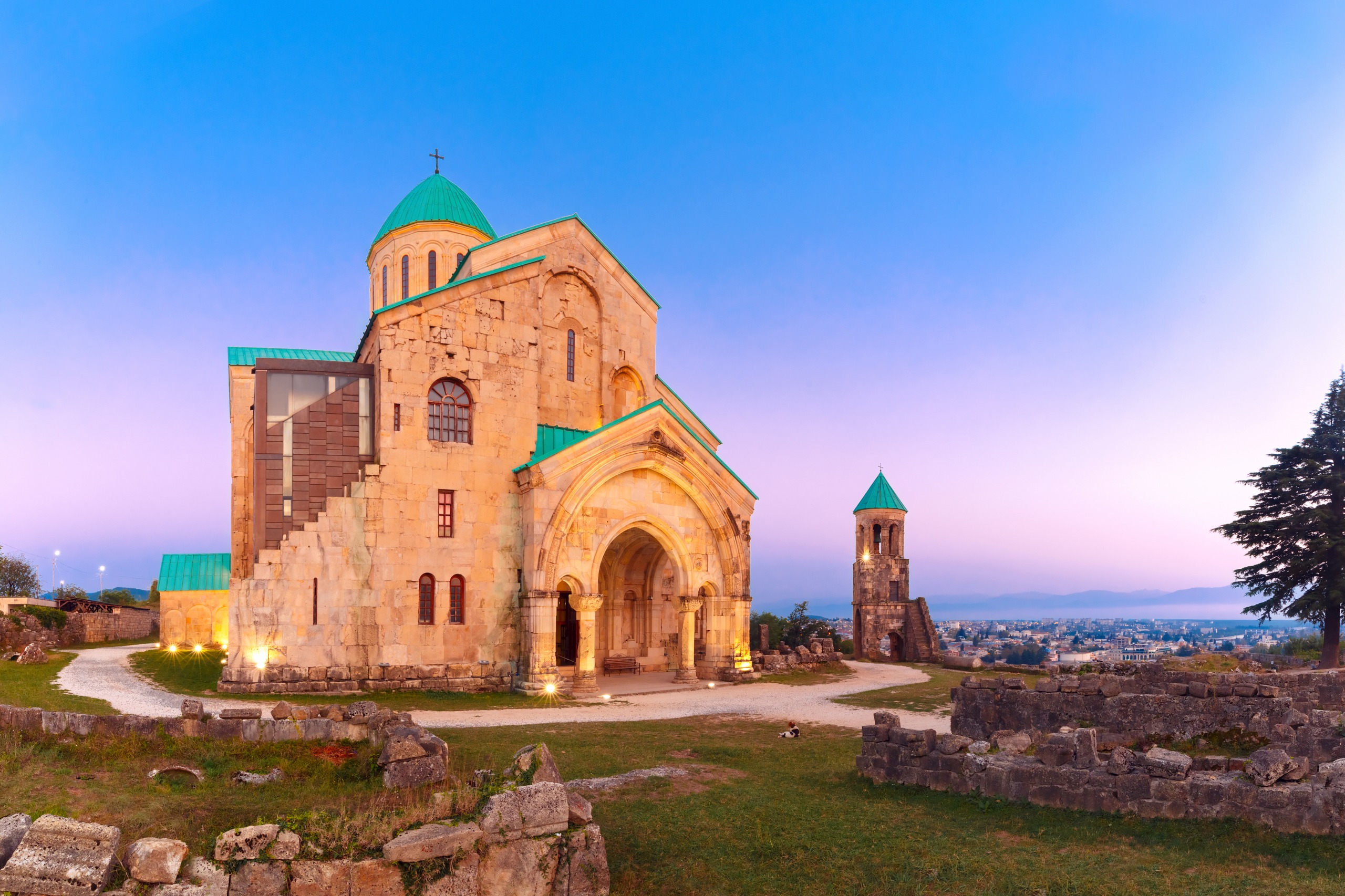
- The city of Kutaisi, ancient capital of the Kingdom of Colchis, with its Bagrati Cathedral and central market.
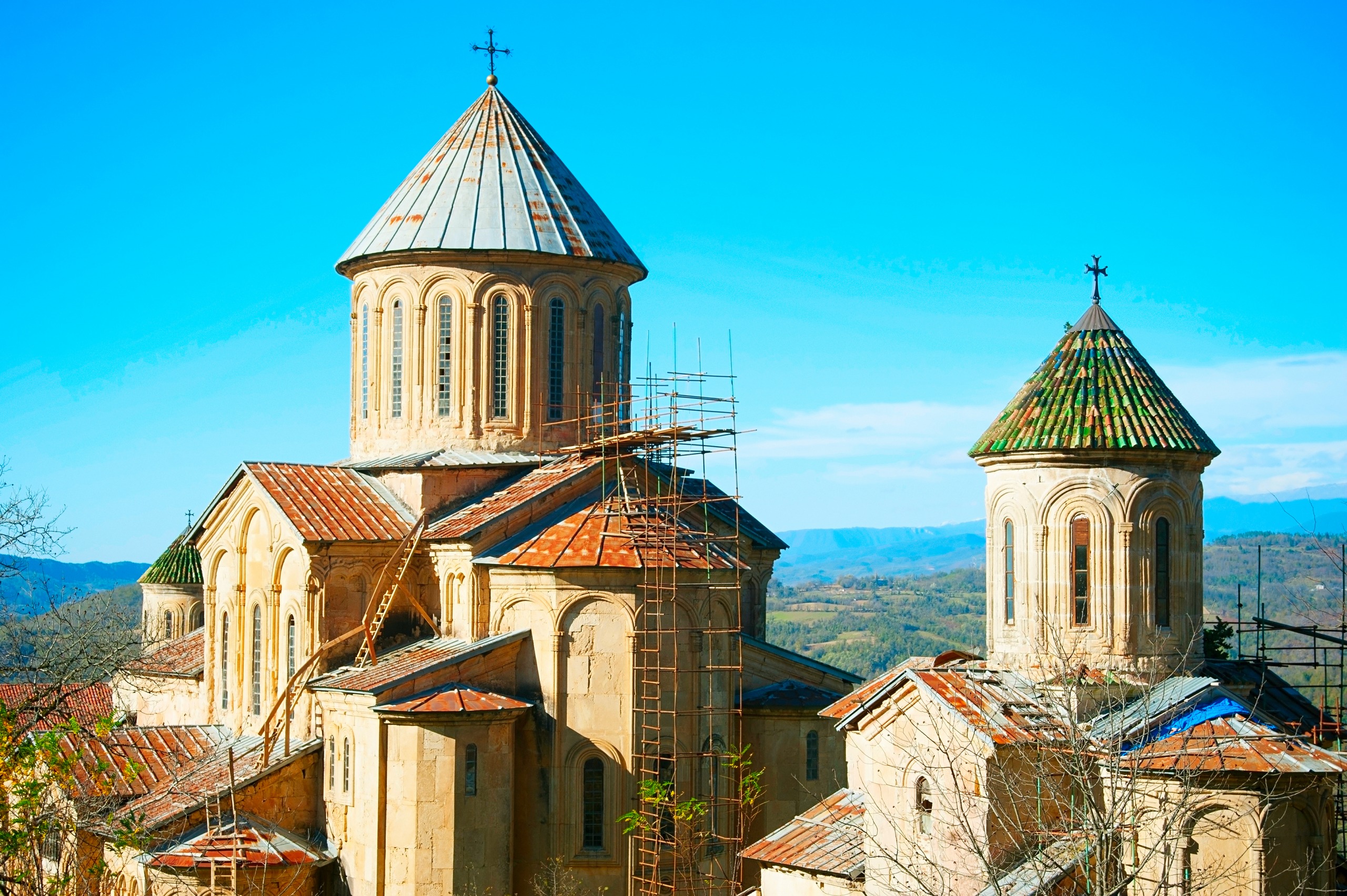
- The Gelati Monastery, founded in the twelfth century and UNESCO-listed, in the immediate vicinity of Kutaisi.
- Sataplia Reserve, which encompasses the site and contains dinosaur footprints as well as a panoramic viewpoint.
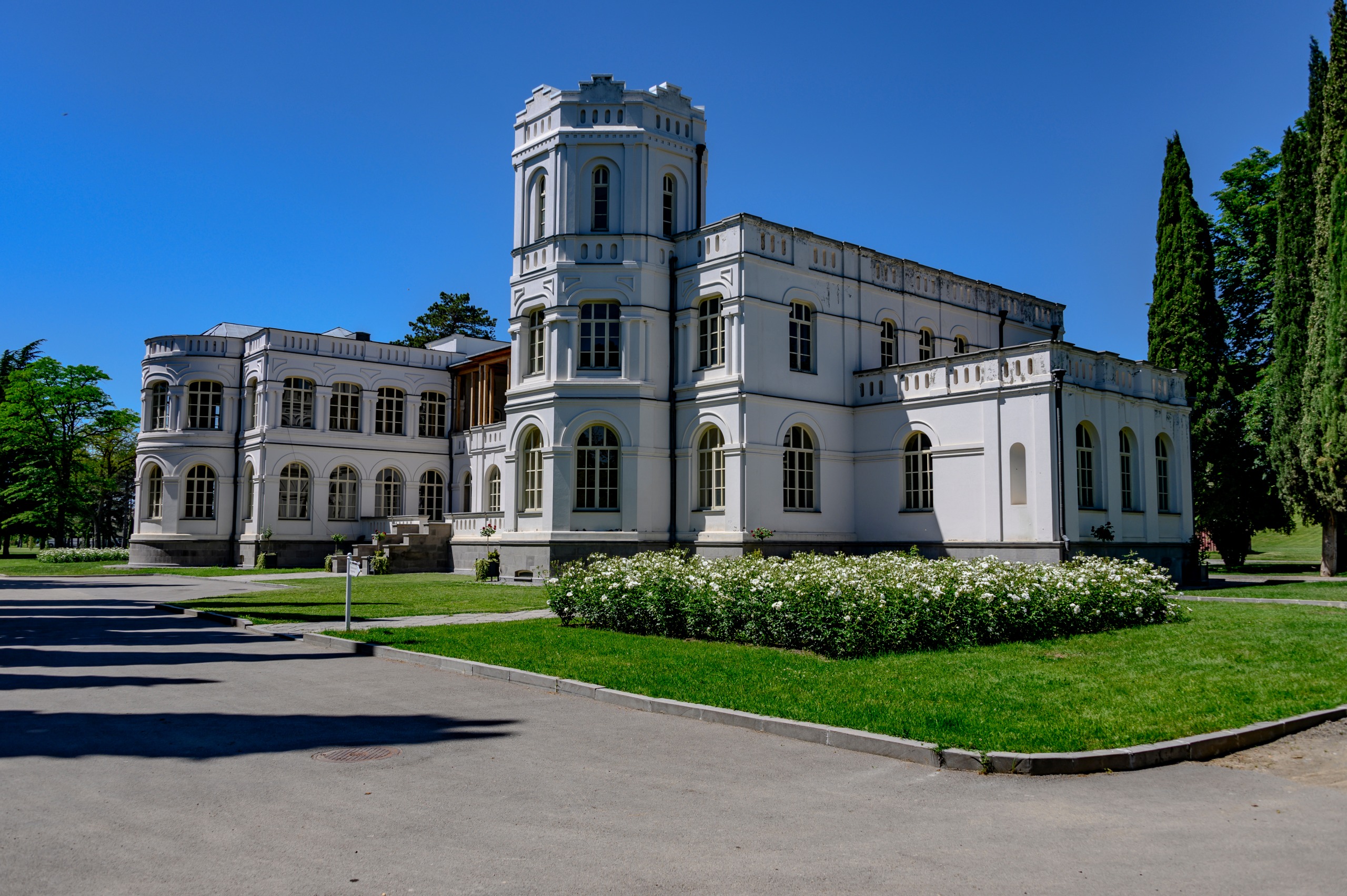
- The Dadiani Palace and History Museum in Zugdidi, about two hours' drive away.
Frequently asked questions
Frequently asked questions
Planning your trip
Prometheus Cave fits naturally into an itinerary combining Tbilisi, Kutaisi, and the Black Sea coast. To build a custom stay that includes this site and its surroundings, explore our Georgia tours.
Interested in this visit?
We can include it in your personalised itinerary.