Telavi
Telavi
Capital of Kakheti and birthplace of qvevri wines, Telavi blends royal heritage, thousand-year-old monasteries, and Georgian hospitality at the foot of the Greater Caucasus.
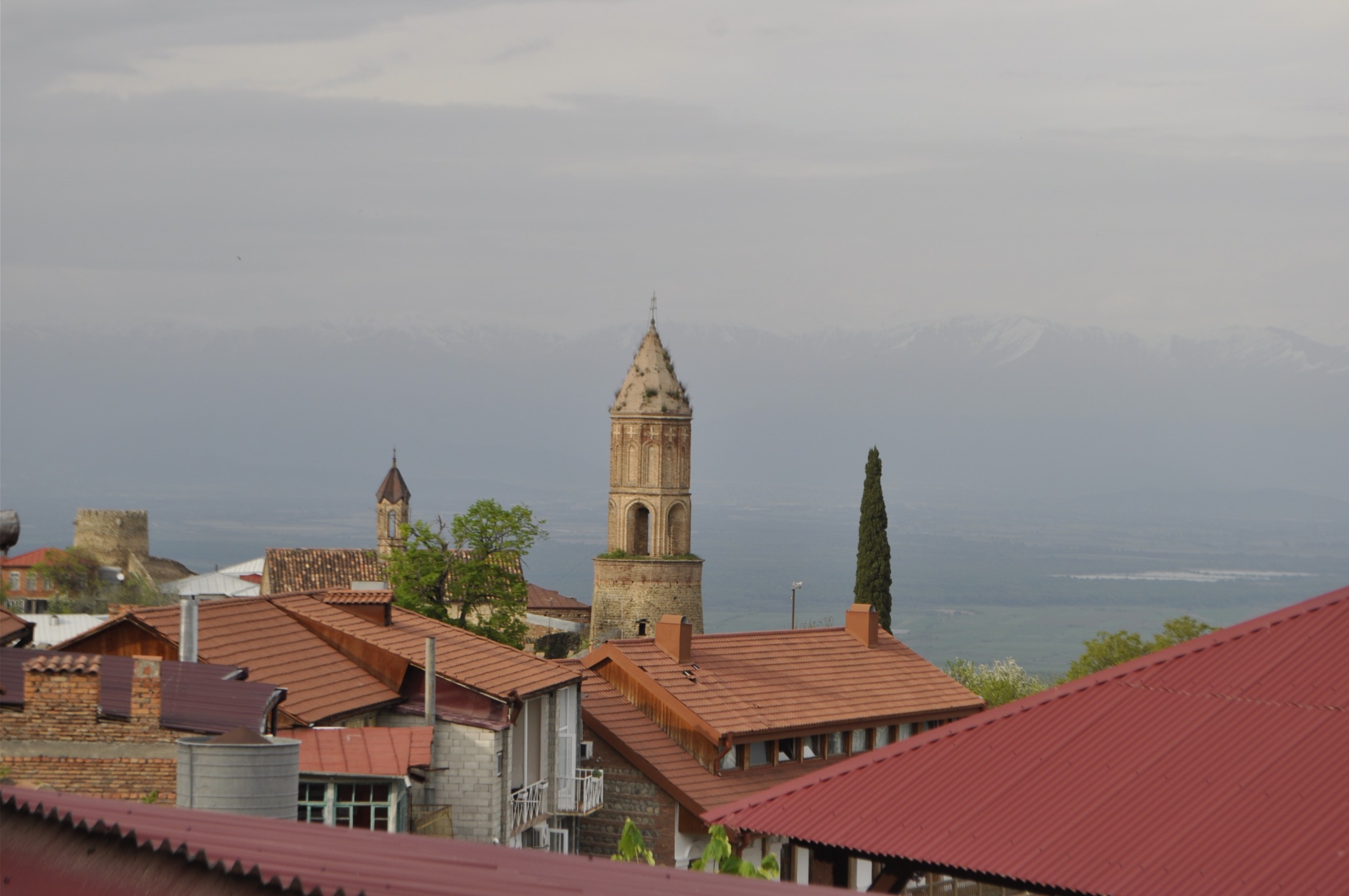
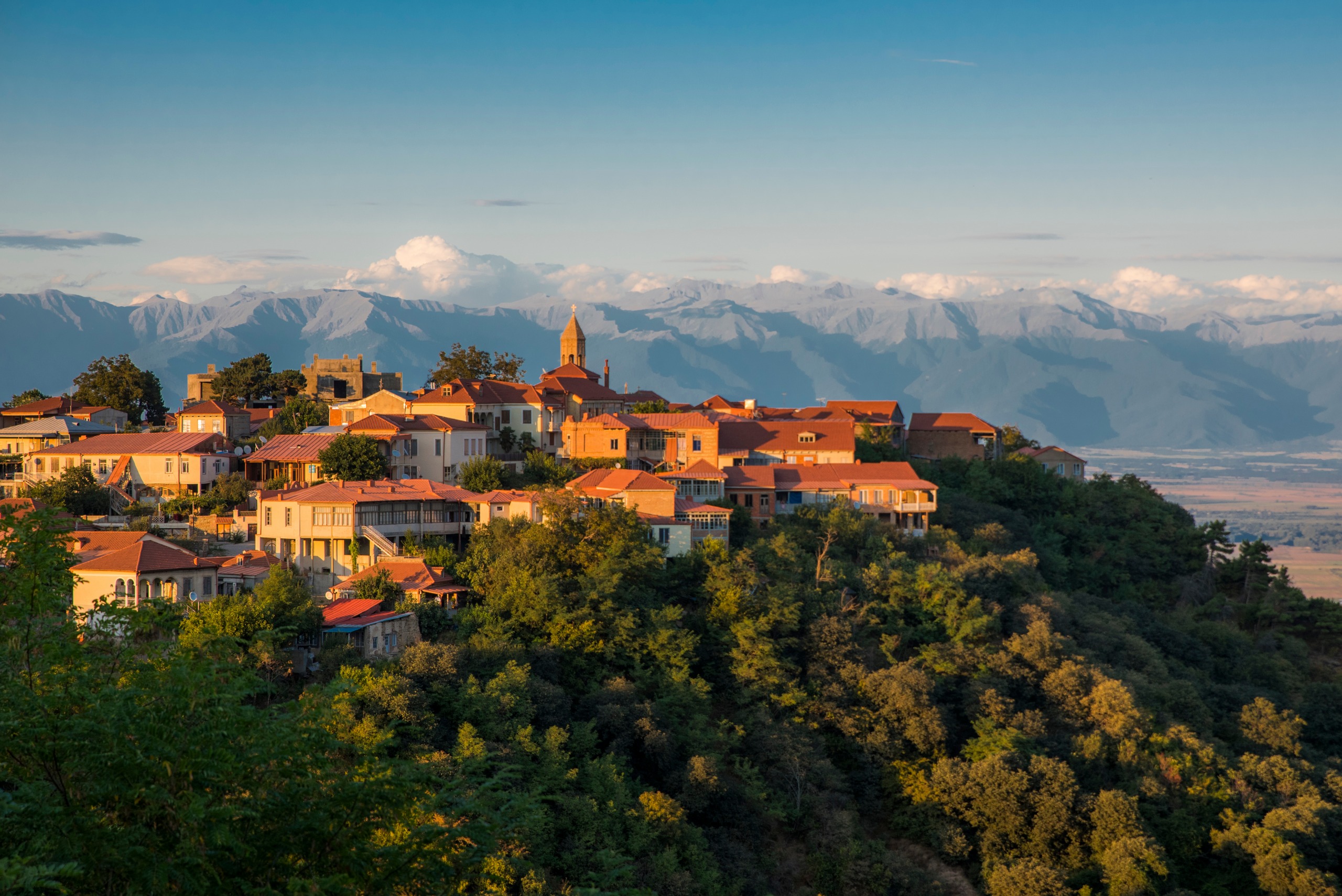
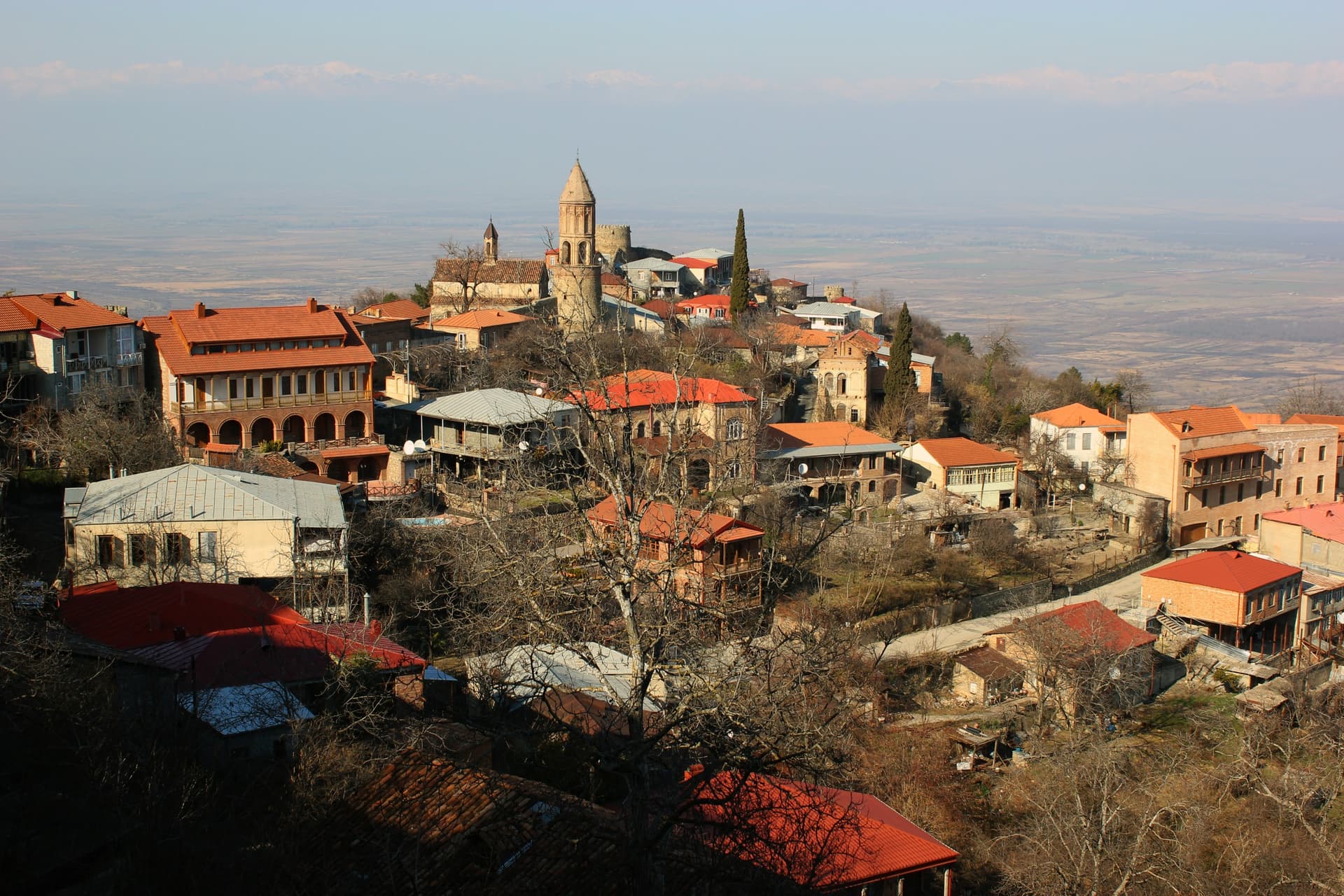
Telavi is the principal city of Kakheti region, located in Eastern Georgia. It offers panoramic views across the Greater Caucasus range and the Alazani Valley. Thanks to these exceptional vistas, its numerous monuments—including Alaverdi Cathedral—picturesque beauty, and the warmth of its inhabitants, Telavi has become a beloved destination for travelers seeking to discover Georgia.
The History of Telavi
In the 2nd century, Telavi was known as "Teleda". According to historians, the city's name is thought to derive from the plant "Tela". From 1672 onwards, Telavi served as the administrative center of Kakheti region and was officially proclaimed a city in 1801.
Telavi bears the imprint of King Erekle II's reign from 1744 to 1798. He transformed it into a strategic and cultural hub of Georgia. As his birthplace, the king dedicated himself to reviving the city. Telavi itself is built upon four hills, making it ideal for historical exploration, with an ancient church dating to the 5th–6th centuries, a palace, and a fortress erected in 1745 in its historic center.
Telavi Today
Today, Telavi remains connected to Georgia's capital, Tbilisi, via two routes. The most frequently traveled route, paved throughout, spans 156 km and winds through rural areas of Kakheti region. The alternative route, approximately 96 km long, allows you to discover the ridges of the Kartli chain. Both routes underwent renovation work in 2010.
Wandering through the narrow lanes of Telavi's old town remains a pleasure. They are lined with houses adorned with balconies typical of Kakheti architecture. The remains of the 16th-century Batonis Tsikhè fortress and the former palace of King Erekle II can be discovered during a stroll through Telavi's historic center.
What to Do in Telavi
Visit Alaverdi Cathedral, dating from the 11th century, the Gremi complex, Ikalto Academy, the Chouamta monasteries, and the princely estate of Tsinandali.
Stop at the ancient 900-year-old tree. Standing 45 meters tall with a base circumference of 12.4 meters, it's a natural marvel.
Explore the city's History and Ethnography Museum, the chapels of the Holy Virgin dating to the 16th century, and local wine cellars.
Witness the Alaverdoba celebration. This annual religious festival occurs around September 14th and lasts three weeks. Traditionally observed by faithful from across Kakheti region of all faiths, it remains a deeply rooted cultural event.
Climate in Telavi
Telavi enjoys a warm and temperate climate. However, significant rainfall can occur throughout the year. Even during drier months, precipitation remains substantial.
Annually, the average temperature in Telavi is 12.7°C, with precipitation averaging 556.3 mm. As for the best season to enjoy the city's attractions, May through September is ideal.
By Bus: Telavi has several marshrutka (shared minibus) stations:
One station is located south of Alazani Avenue, with 1–2 marshrutkas departing daily.
Marshrutka services also run to the Alaverdi Monastery.
Marshrutkas from Tbilisi to Telavi depart approximately every hour, with departures across from Ortachala Station in Tbilisi.
By Car:
Two routes connect Tbilisi to Telavi: Highway 5 and Highway 38. The latter is the shorter option.
Marshrutkas and taxis remain the most convenient transport methods for getting around the city.
Attractions in Telavi
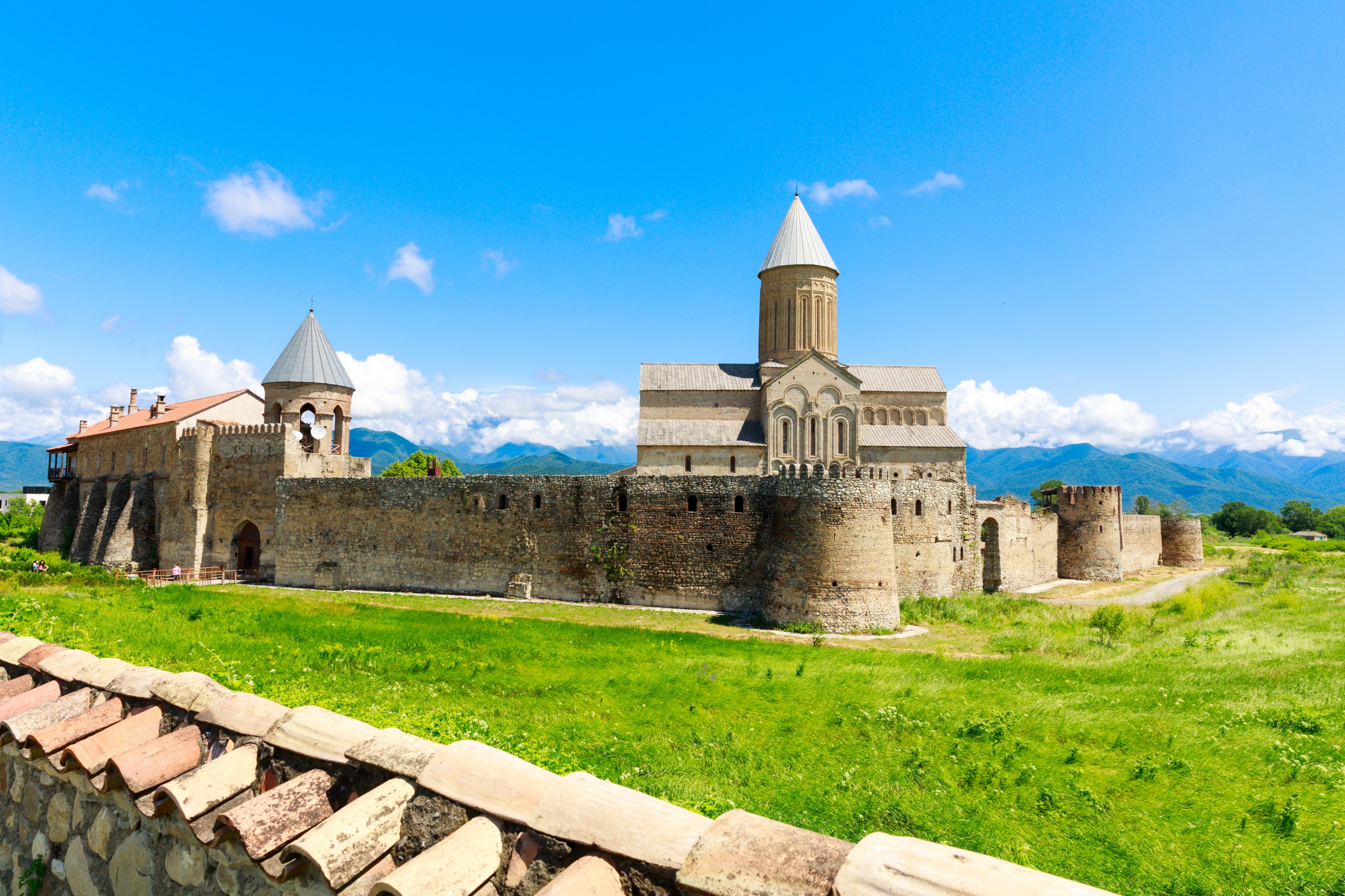
Cathédrale d'Alaverdi
Édifice du XIe siècle haut de 50 m, dressé dans la plaine viticole de l'Alazani, la cathédrale d'Alaverdi conserve fresques médiévales et vie monastique active.
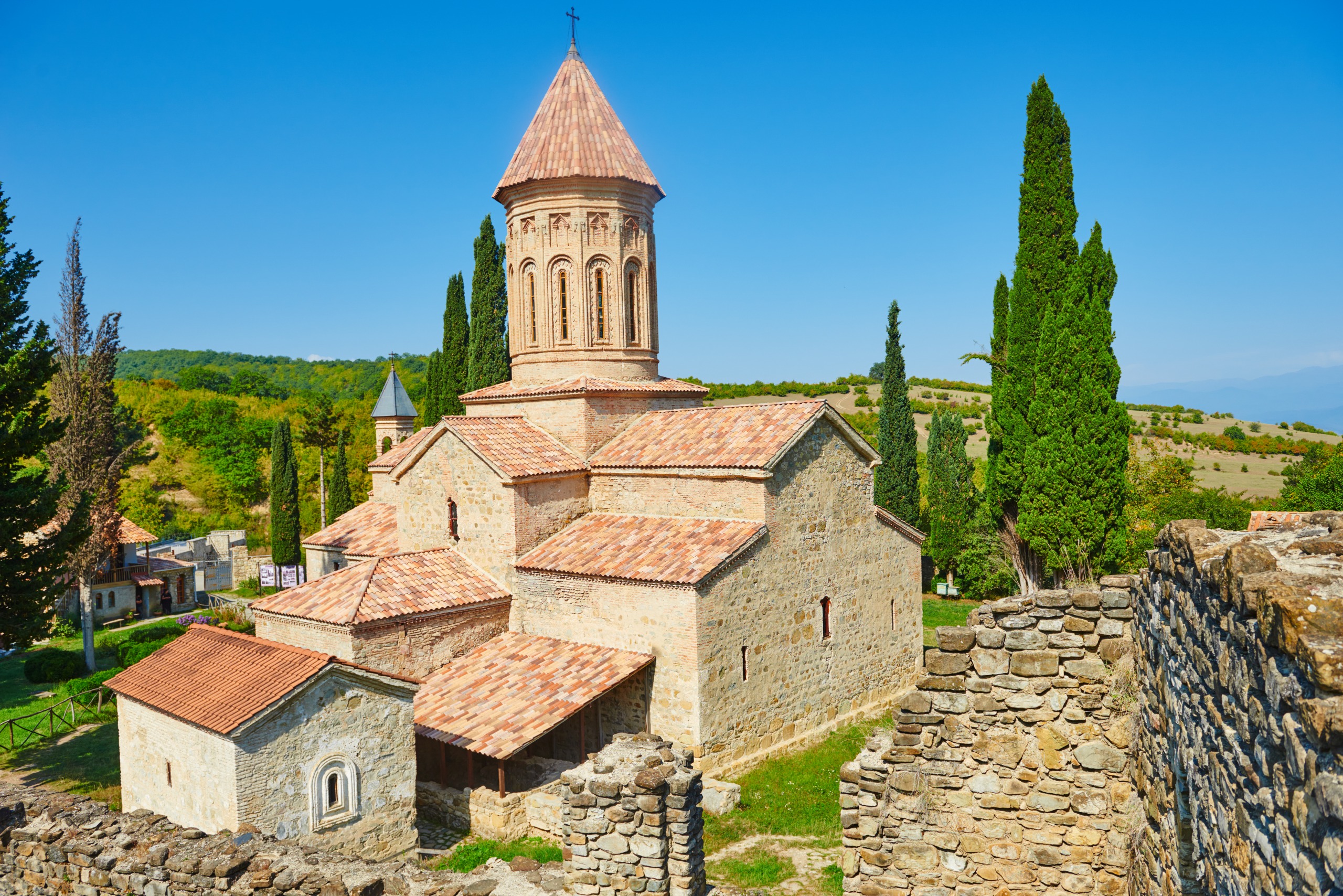
Le monastère et l'académie d'Ikalto
À 7 km de Telavi, le complexe d'Ikalto réunit un monastère du VIe siècle et les vestiges d'une académie médiévale, l'un des grands centres culturels de la Géorgie.
Want to discover this destination?
Our local advisors design your tailor-made trip.