Kutaisi
Kutaisi
Ancient capital of the Kingdom of Colchis, Kutaisi blends UNESCO sites, breathtaking canyons and Imereti hospitality. Your essential guide to planning a stay.
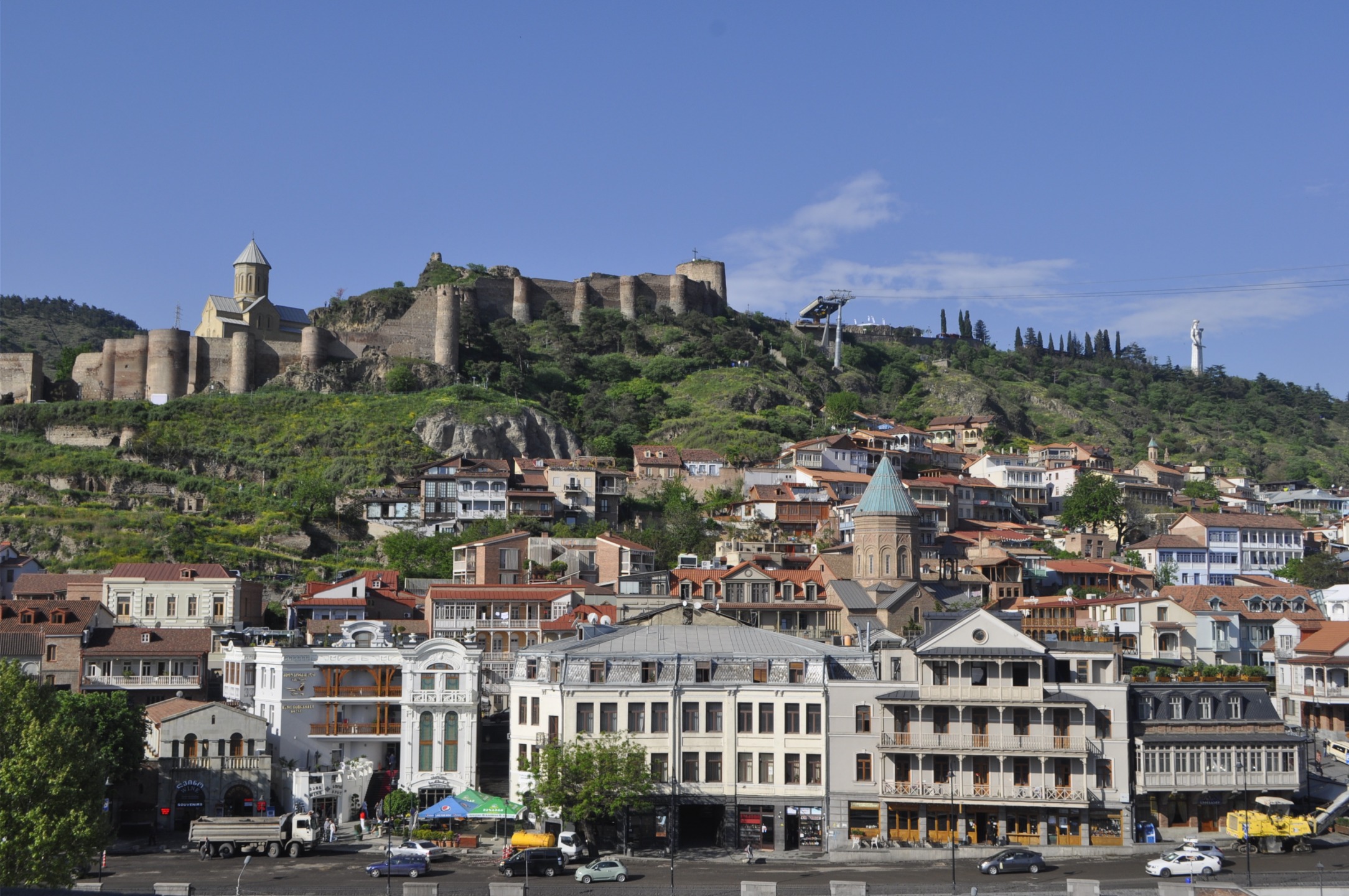
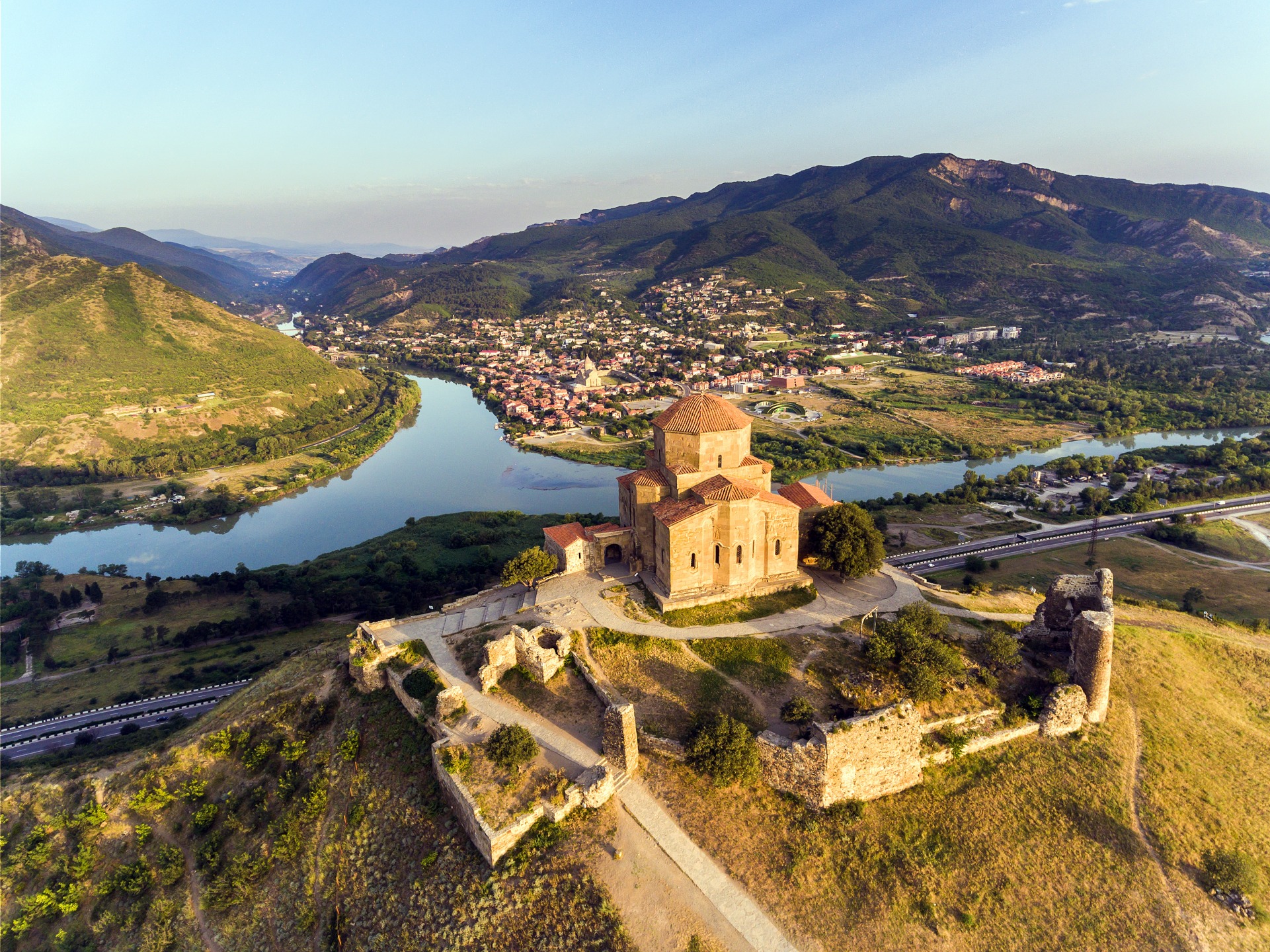
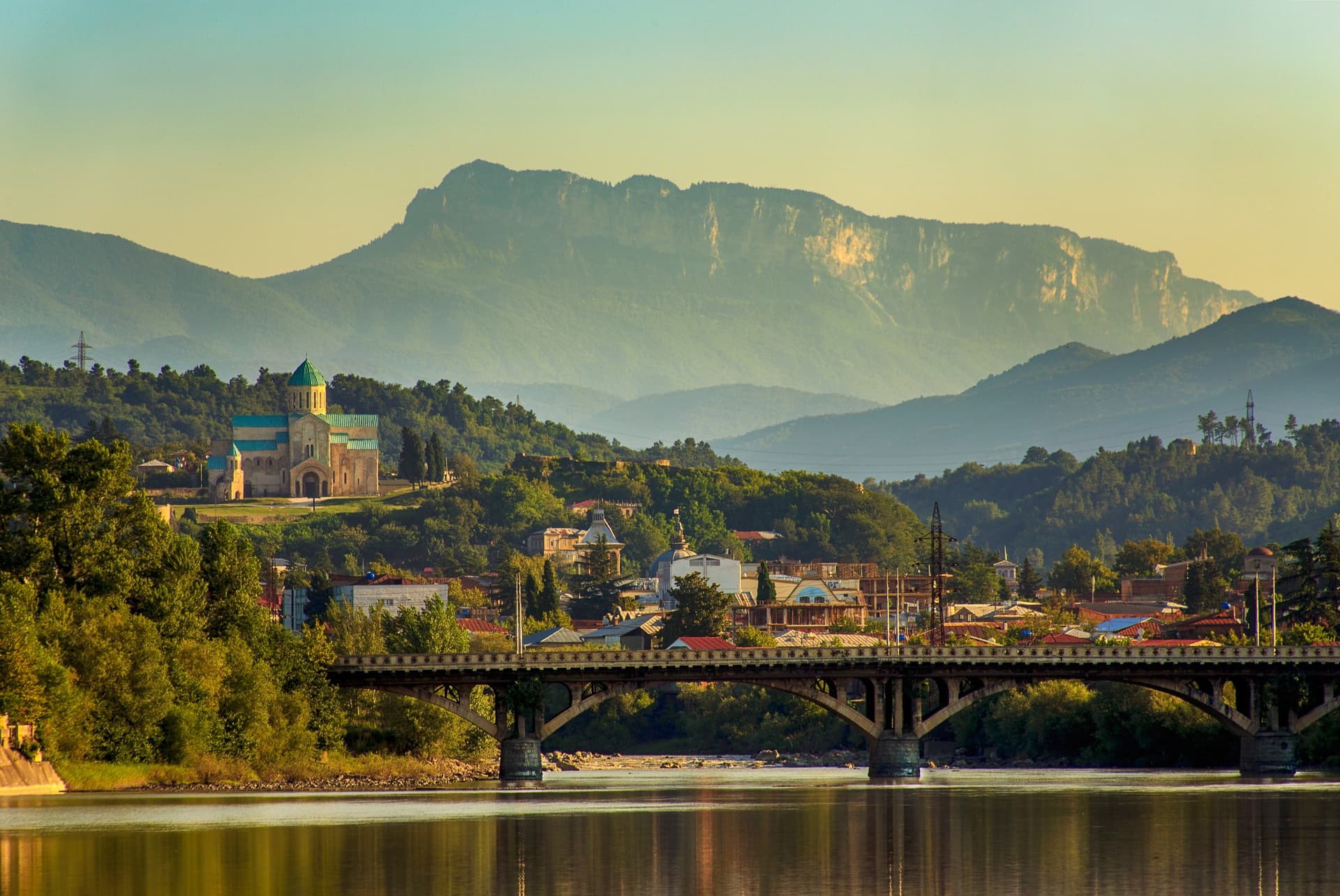
With a population of 234,000, Kutaisi is Géorgie's second-largest city. For centuries, it thrived as a vital commercial crossroads, thanks to the Rioni River. This historic and cultural city sits in western Géorgie, crowned by remarkable examples of medieval Georgian architecture: the Gelati Monastery (12th century) and Bagrati Cathedral (10th–11th century). Discover this charming Georgian city, where life flows at an inviting pace.
The History of Kutaisi
Kutaisi is believed to have once been called Kutaia or Eea before adopting its current name. Archaeological excavations have traced the city's foundations back over 3,500 years.
Serving as Géorgie's capital in the 10th and 12th centuries, Kutaisi was also the heart of the Kingdom of Colchis. According to Greek writings, it was the residence of King Aeetes, father of Medea the Enchantress. From the 15th century until 1810, the city remained capital of the Kingdom of Imereti before falling to Ottoman invasion in 1508.
During the Soviet era, Kutaisi became a significant industrial hub. Following Géorgie's independence in 1991, a Constitutional amendment was signed in 2011, authorizing the transfer of Parliament to central Kutaisi in 2012. Since then, Kutaisi has served as Géorgie's administrative capital.
What to Do and See in Kutaisi?
- Visit the Museum of History and Ethnography of Kutaisi, brimming with archaeological collections, Bagrati Cathedral, and David the Builder Square.
- Stroll along the banks of the Rioni and admire the "suspended verandas" lining the waterfront. Try rafting on the Rioni River.
- Explore the Paliashvili Museum, Saint Nino Monastery, and the Cathedral of the Mother of God on Kazbégui Street.
- Unwind at Beesiki Park, accessible via a cable car near King Alexander of Imereti's Garden. From the cable car, enjoy panoramic views of Kutaisi and its surroundings.
- Navigate the city easily by taxi or rental car.
Climate in Kutaisi
Kutaisi enjoys a humid subtropical climate, with warm summers and cool winters. January is the coldest month, with an average temperature of 5.2°C. July is the warmest, averaging 23.2°C.
Kutaisi regularly experiences heavy snowfall in winter. In summer, the city is swept by powerful easterly winds from the surrounding mountains.
Between January and March, weather in Kutaisi is particularly harsh, with temperatures rarely exceeding 11°C. From April to October, conditions improve considerably, with temperatures reaching up to 30°C.
By Air:
From Kyiv, Minsk, Moscow, Budapest, or Baghdad, reach Kutaisi via its international airport.
By Train:
Regular trains from and to Tbilisi's central station depart and arrive at Kutaisi Station I. A daily express train service also runs from Tbilisi to Kutaisi, taking approximately 6 hours.
By Minibus:
Tbilisi's Didube bus station connects Géorgie's capital with Kutaisi. Minibuses and shared vans depart approximately every hour. For 54-passenger coaches, service runs roughly every three hours. The journey by shared van takes between 3.5 and 4 hours; larger coaches take longer due to more frequent stops.
Attractions in Kutaisi
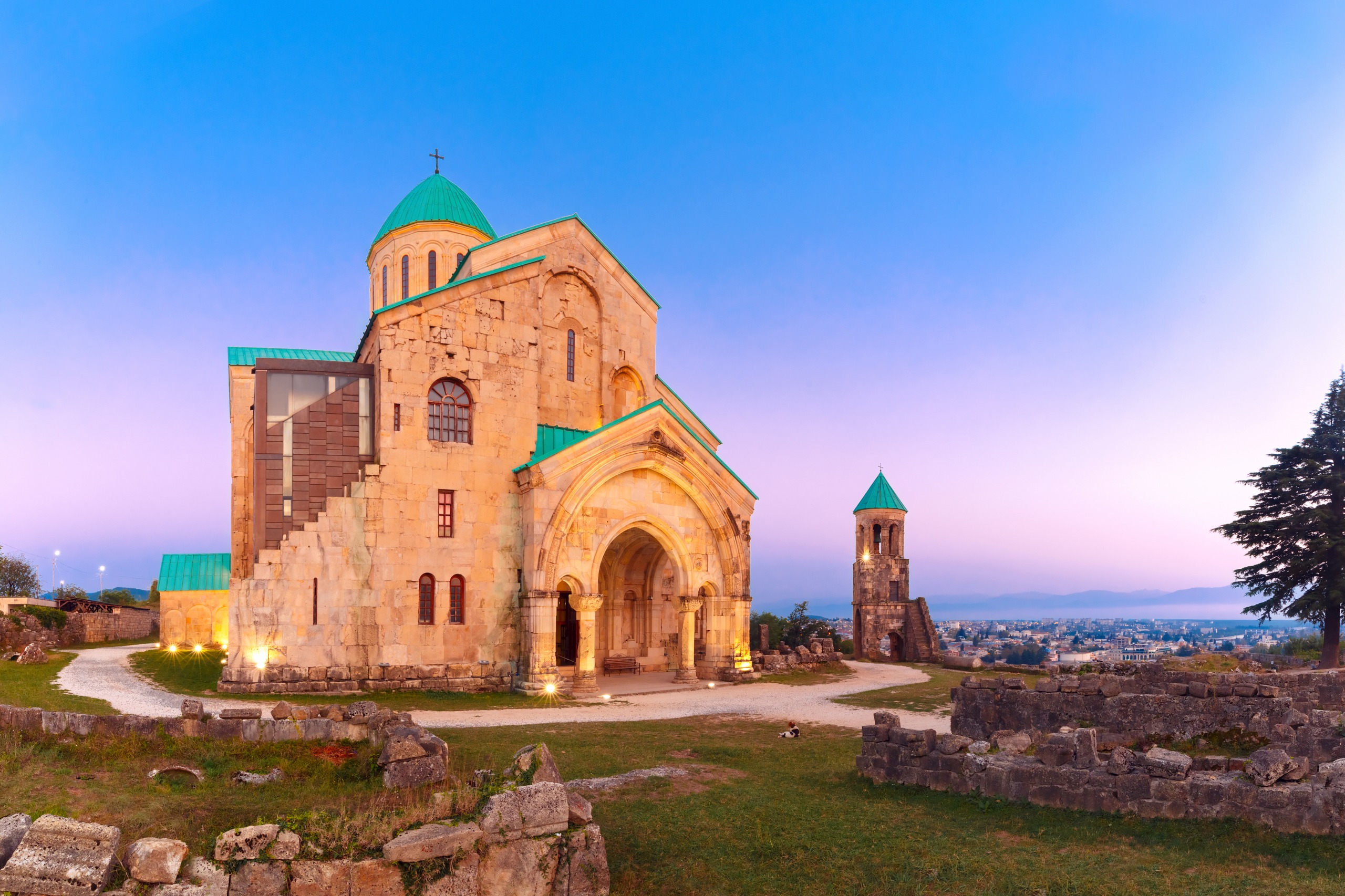
Cathédrale de Bagrati
Reconstruite en 2012, la cathédrale de Bagrati domine Koutaïssi depuis le XIᵉ siècle. Histoire, architecture et conseils pour la visiter.
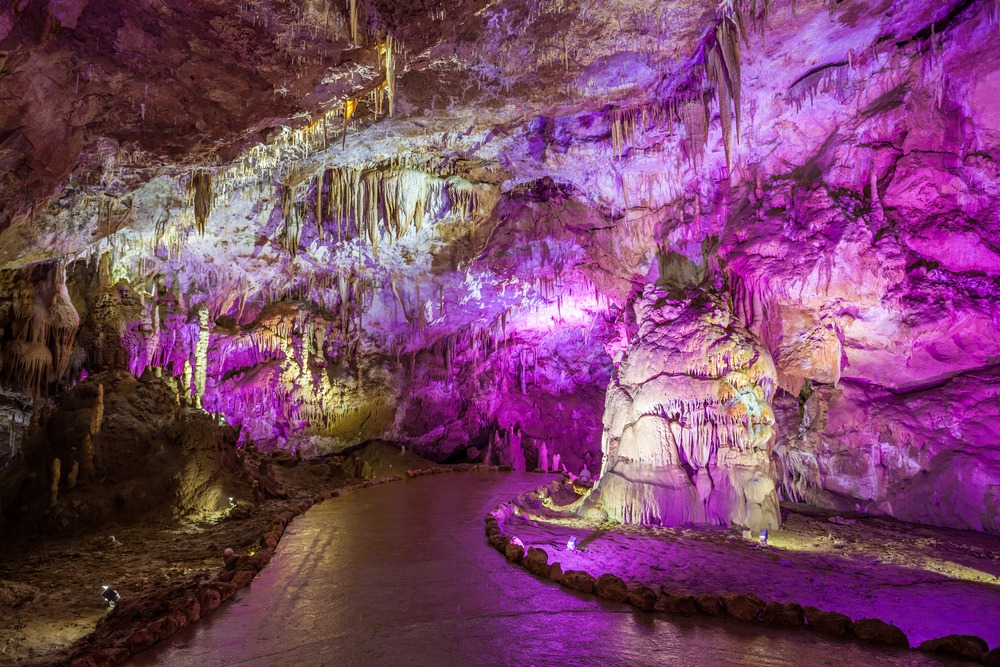
Grotte de Prométhée
À 20 km de Koutaïssi, la grotte de Prométhée déploie 1 420 m aménagés sur 20 km de réseau, 16 salles et une balade en bateau souterraine.
Want to discover this destination?
Our local advisors design your tailor-made trip.