Tbilissi
Tbilissi
An ancient capital at the heart of the Caucasus, Tbilissi blends sulphur baths, cobbled streets and vineyards. Our complete guide to discovering this Georgian jewel.
Tbilissi stands at the intersection of Europe and Asia. Beyond being Georgia's capital, this city nestled in the heart of the Caucasus is an authentic thermal spa destination. Nearly 100 different ethnicities coexist within this cosmopolitan city. Indeed, Tbilissi draws its cultural richness from this remarkable ethnic diversity. Discover Tbilissi and its multifaceted architectural influences—notably Middle Eastern, Byzantine, Russian and European.
Journey Through Tbilissi's History
Tbilissi's history, as Georgia's capital, stretches back to the fifth century. It served as a major political, cultural and economic hub across the Caucasus region. According to archaeologists, Tbilissi was occupied from the fourth century BCE onwards by neighboring powers including Persia, the Byzantine Empire, the Seljuk Turks and Arabia.
From the sixth to tenth centuries, Tbilissi's cultural flourishing depended heavily on the various empires that dominated it. Yet the city managed to preserve its independence. Palpable growth only emerged in the fifth century CE.
According to legend, Tbilissi was founded by King Vakhtang Gorgasali during a hunting expedition with his companion, a falcon. During the hunt, the falcon caught the pheasant he was pursuing but fell with its prey into a hot spring. Both birds emerged entirely boiled.
Impressed by this hot spring with its curative properties, the king decided to establish the city of Tbilissi at this location. It became the capital of his kingdom.
Once upon a time, Tbilissi's sulphur baths were renowned throughout the entire Middle East. The history of Georgia's capital and its very name remain intimately connected to these thermal waters.
Tbilissi Today
The name "Tbilissi" derives from old Georgian "tbili," meaning the warm sulphurous water sources flowing beneath the city. Tbilissi gradually organized itself around these thermal springs bubbling naturally from the ground.
Tbilissi's primary sulphuric water springs are located on the periphery of Ortachala and Abanotubani, the bath district. Typically, these sulphur baths maintain temperatures between 35 and 37 degrees Celsius.
Today, Tbilissi harmonizes modernity with historical legacy. Much of the old city was restored in 2009 to restore brilliance to its pastel-toned residences and historic monuments.
All of Georgia's major institutions, save Parliament, are located in Tbilissi. The city is equally rich in markets, traditional restaurants, shops, parks and gardens.
What to Do in Tbilissi?
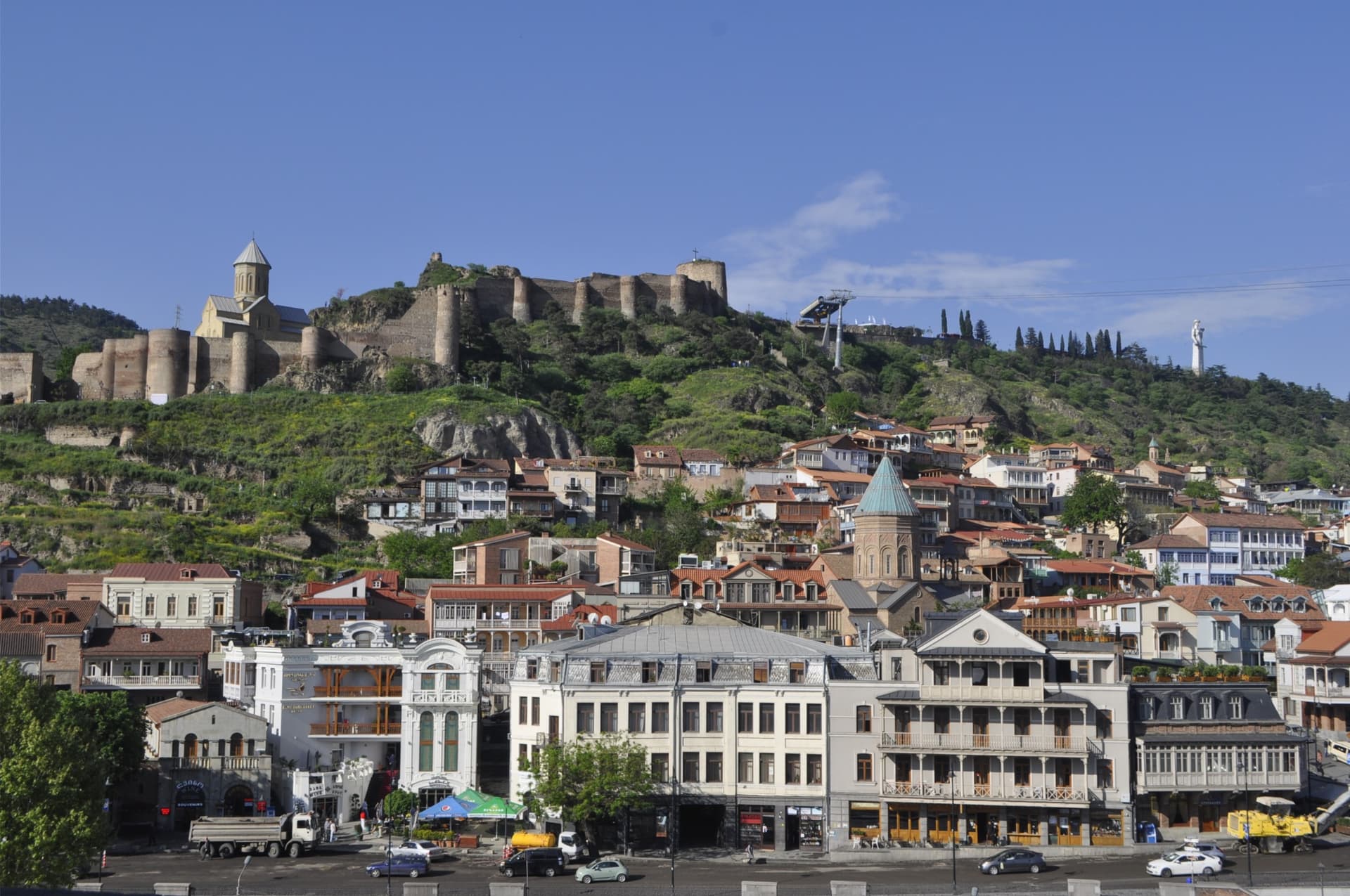
● Explore the picturesque steep, cobbled streets of the "Old Town". Colorful traditional cottages, adorned with intricately carved wooden balconies and charming interior courtyards, grace Tbilissi's scenic streets.
● Discover the city's varied architecture, where Eastern Orthodox chapels stand beside richly decorated "Art Deco" style buildings. Soviet contemporary structures are dominated byKartlis Deda, the emblematic statue of the Mother of Georgia, Narikala Fortress dating from the fourth century, and the great wheel of Mount Mtatsminda.
● Relax in the thermal baths of the Bath District or the Midan quarter.
● Wander through Tbilissi's market, held five times weekly, to find local products or savor authentic cuisine.
● Visit the Holy Trinity Orthodox Cathedral, erected on Saint Elijah's hill. It captivates particularly through its sculptures integrated into the fortress walls.
● Attend a sabre dance performance.
Abanotubani, a Signature District of Tbilissi
A must during any Tbilissi stopover, the Abanotubani quarter is dotted with traditional thermal baths. These, fed by Georgia's capital thermal water springs, are prized both for their curative and relaxing properties.
Abanotubani is one of Tbilissi's most welcoming and picturesque quarters. To reach it, follow Botanikuri and Miza Shafi streets.
The hammams, saunas and Turkish baths in the Bath District operate as both private and public establishments. For instance, Orbéliani House, with its Persian façade adorned with blue tilework, ranks among the district's most renowned establishments.
The Abanotubani baths display Persian architecture. Their décor, composed of turquoise mosaics, is beautifully preserved. Built low to the ground, the baths are excavated into the earth and crowned with hemispherical domes. Adorned with lanterns, these domes illuminate at nightfall for those wishing an evening relaxation soak.
Climate
Tbilissi's climate is both subtropical humid and temperate continental. This results from the dual influence of dry air masses from Central Asia, coupled with subtropical humid air masses from the Black Sea.
Winters are mild, averaging 1.5°C in January. Summers are warm, with an average of 24.5°C in July.
April, May and June bring abundant rainfall to Georgia's capital. Consequently, the best time to visit the capital is from May to September.
By Air:
Tbilissi has an international airport located southeast of the city center, along with a modern terminal inaugurated on February 7, 2007.
By Train:
Daily domestic trains connect Tbilissi to Gori, Batumi, Poti, Kutaisi, Zugdidi and Marneuli. International trains also serve Tbilissi from Yerevan and Baku. For travelers preferring overnight journeys, a daily train operates from Yerevan station to Tbilissi.
By Coach:
Yerevan and Tbilissi can be connected by road from Armenia aboard a marshrutka—a shared minibus serving destinations across the former Soviet Union. Marshrutkas offer the advantage of affordability and foster local encounters and cultural exchange. Departures occur from Yerevan's Central Bus Station, located southeast of the city. These minibuses depart approximately every two hours.
Attractions in Tbilissi
See all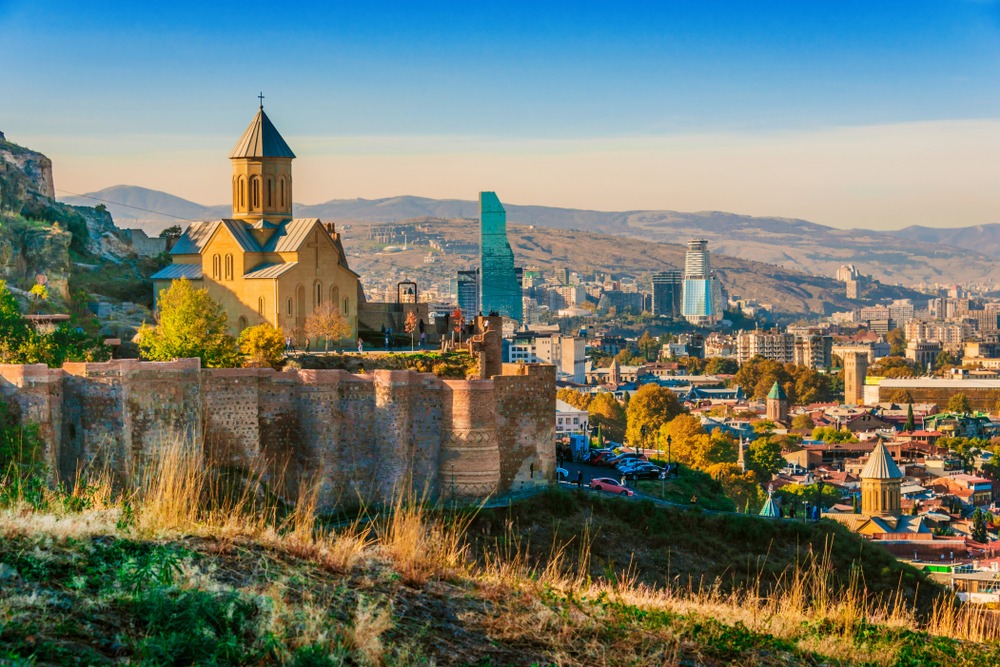
Forteresse de Narikala
Perchée sur la colline de Sololaki, la forteresse de Narikala domine Tbilissi depuis le IVe siècle. Histoire, accès et points de vue dans ce guide complet.
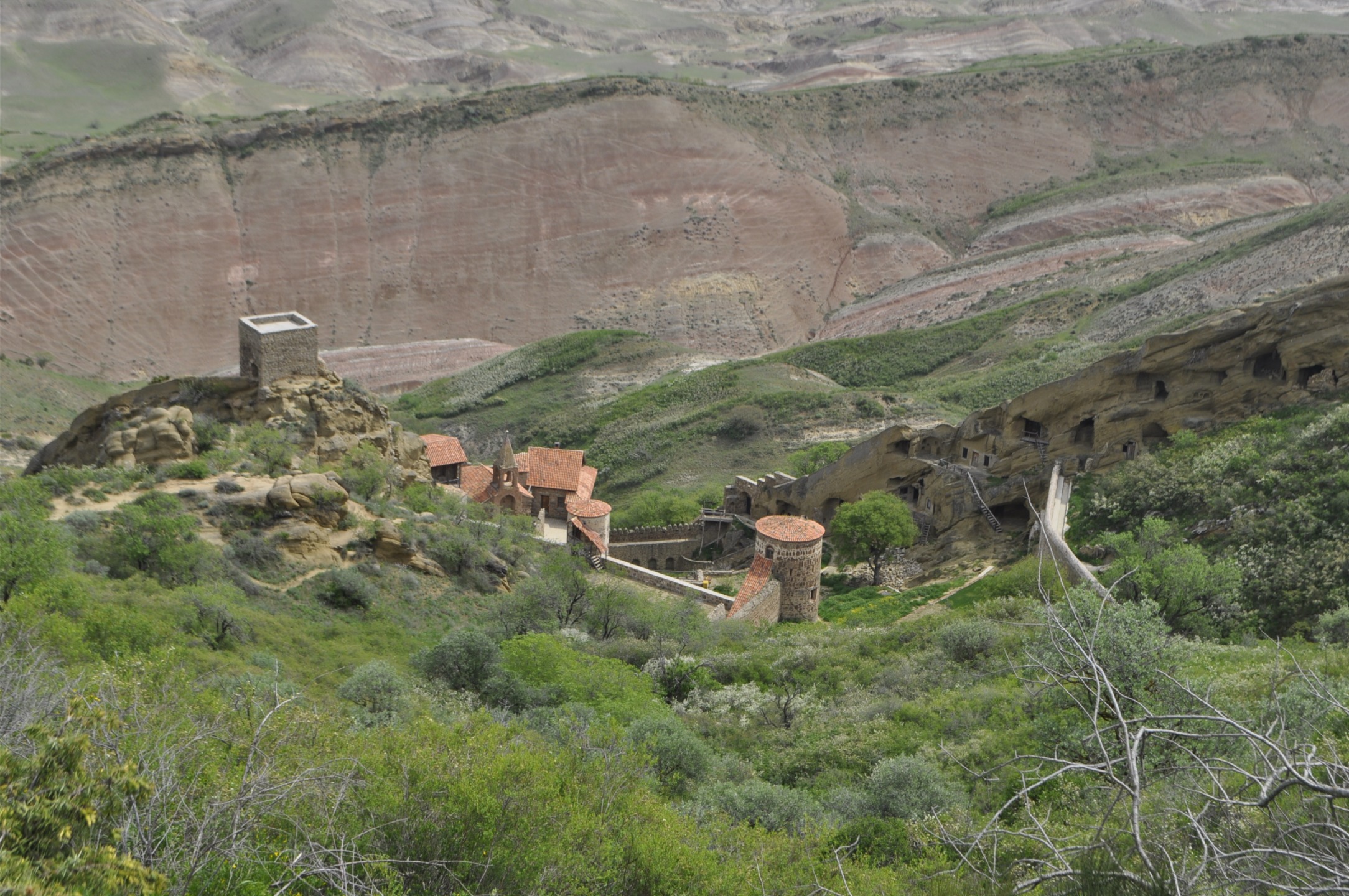
Le monastère de David Garedja
Complexe monastique semi-troglodyte fondé au VIe siècle aux confins de la Géorgie et de l'Azerbaïdjan, célèbre pour ses fresques médiévales d'Udabno.
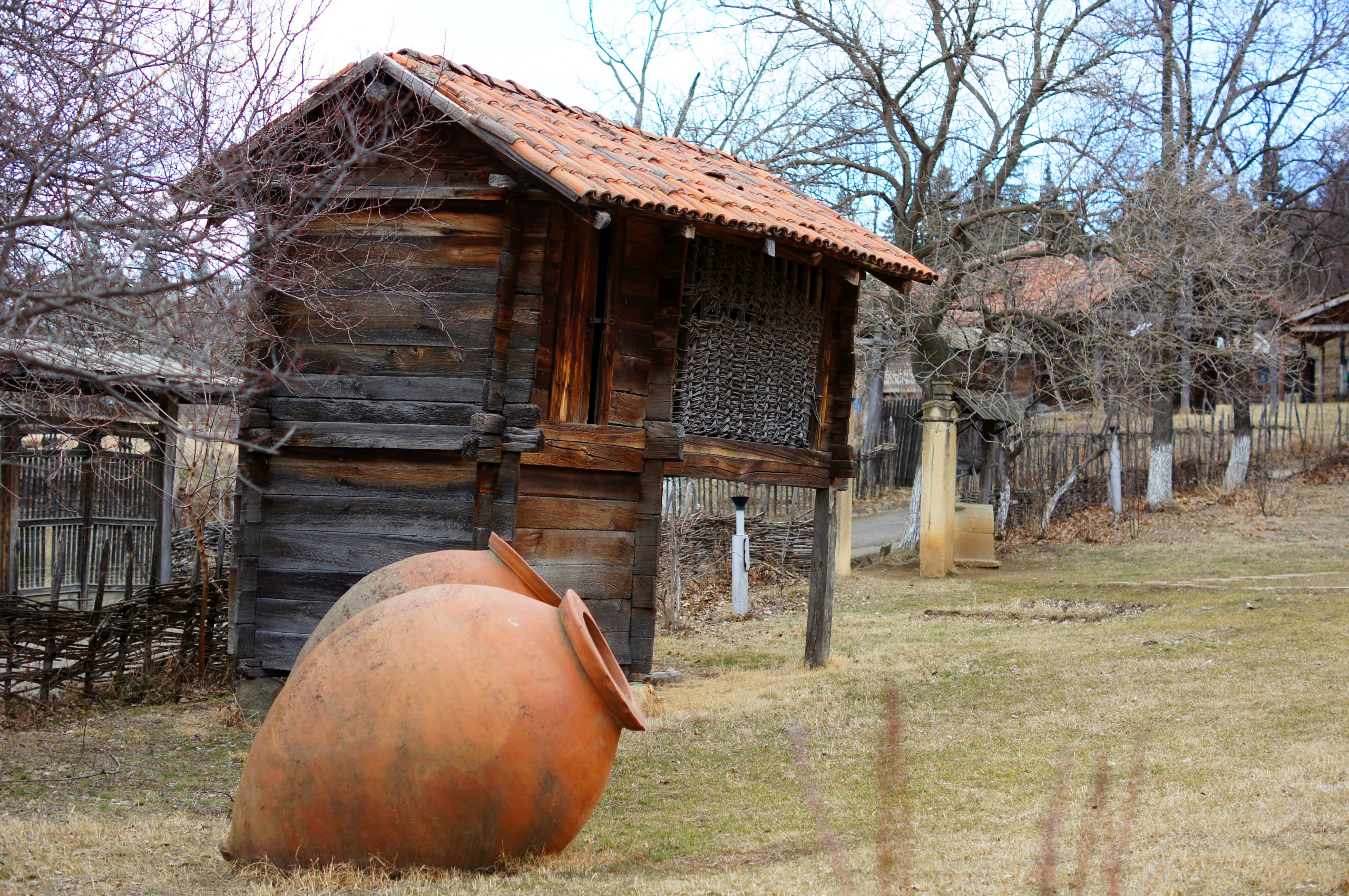
Musée ethnographique en plein air de Tbilisi
Sur 52 hectares dominant Vake, le musée ethnographique de Tbilissi rassemble 70 habitations authentiques des régions géorgiennes, remontées pierre à pierre.
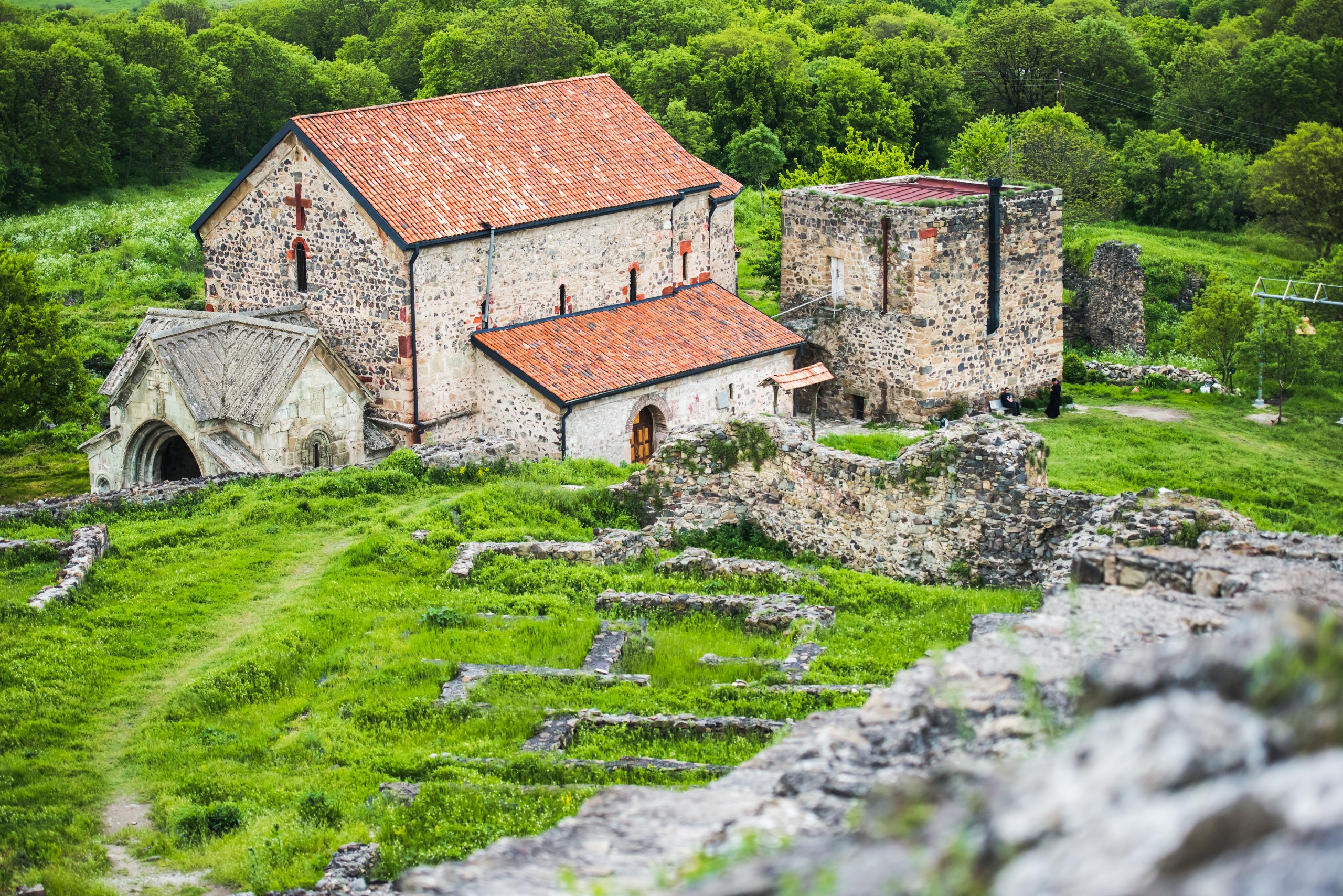
Site archéologique de Dmanissi
À 85 km de Tbilissi, Dmanissi superpose une cité médiévale et un gisement paléoanthropologique livrant des restes humains datés de 1,8 million d'années.
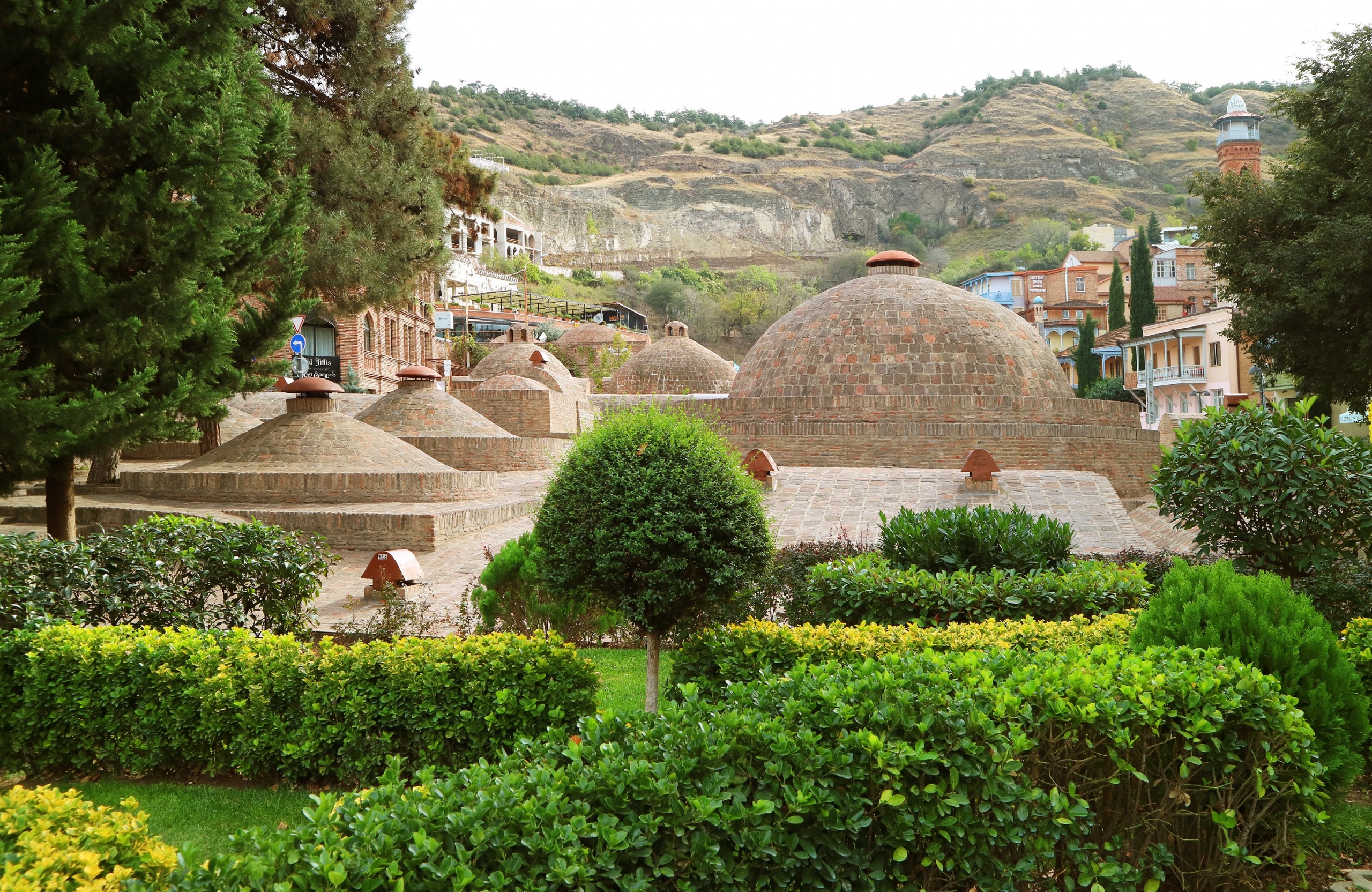
Bains sulphureux d'Abanotubani
Au cœur de la vieille ville de Tbilissi, les bains sulfureux d'Abanotubani perpétuent une tradition thermale liée à la fondation même de la capitale géorgienne.
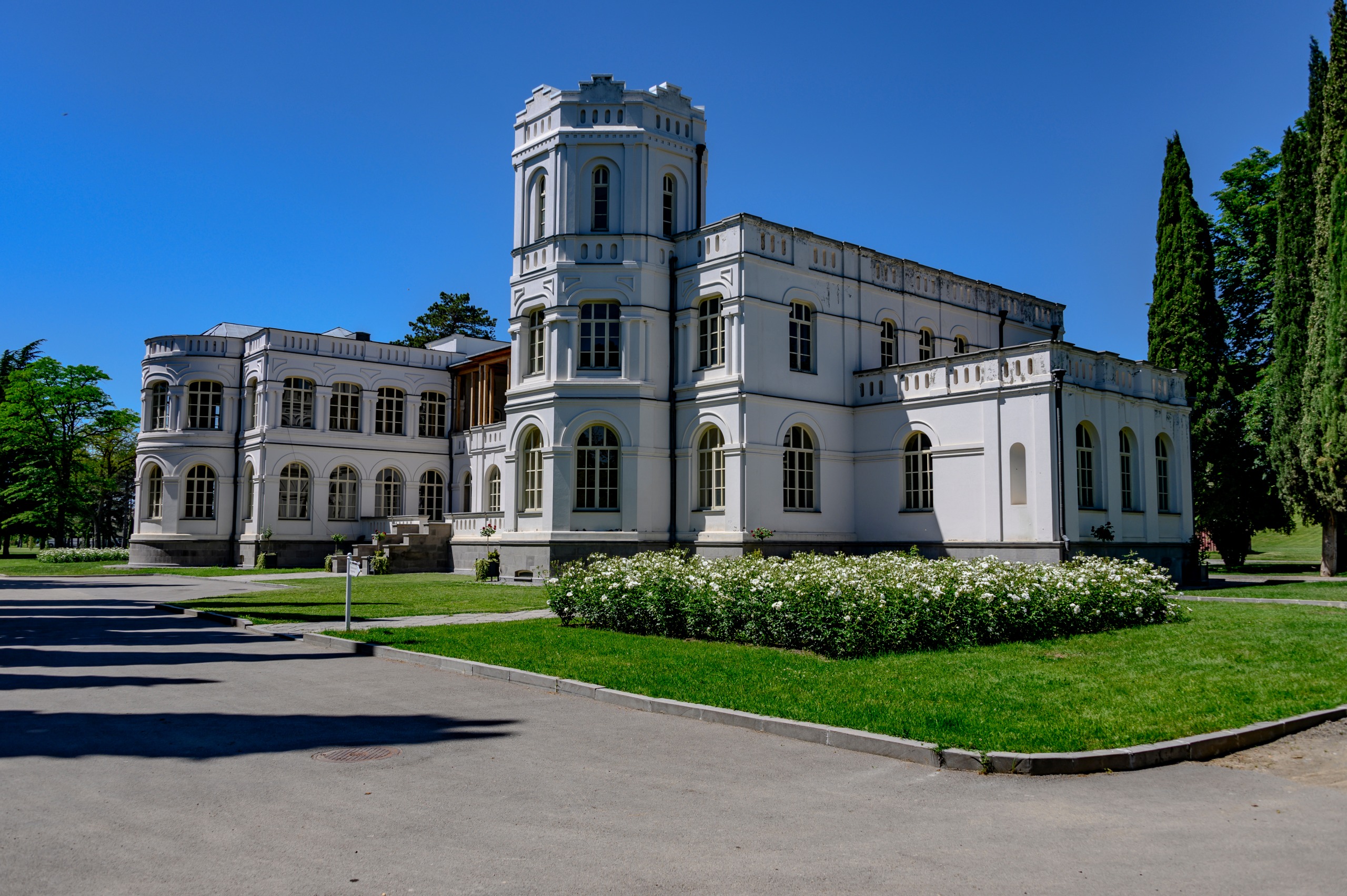
Château Mukhrani
Domaine viticole et résidence royale à 25 minutes de Tbilissi, le Château Mukhrani associe patrimoine Bagrationi, cépages géorgiens et dégustations.
Accommodation in Tbilissi
Want to discover this destination?
Our local advisors design your tailor-made trip.