Sheki
Sheki
A former stop on the Silk Road, Sheki preserves a palace adorned with shebeke stained glass, two 18th-century caravanserais, and thriving artisanal silk production.
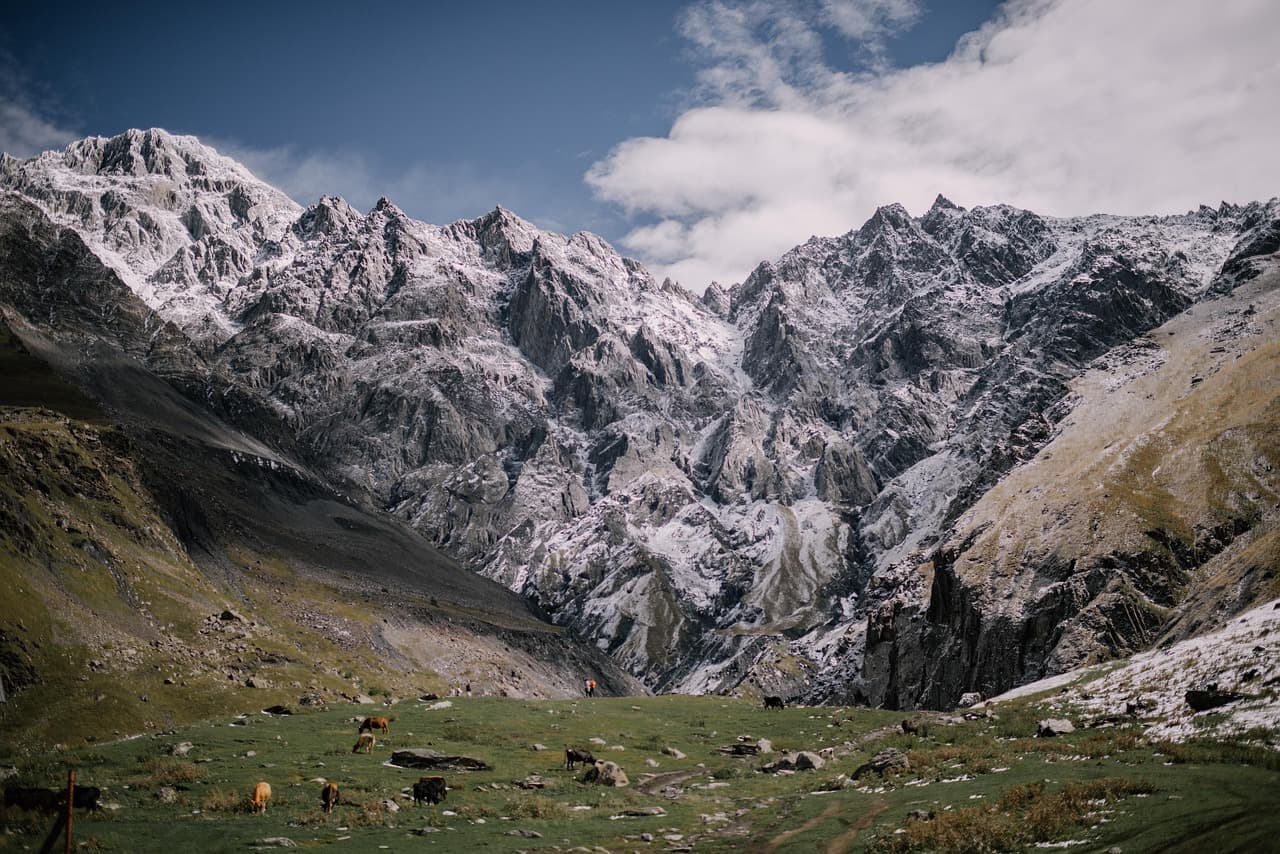
Sheki is a city in northwest Azerbaijan, nestled at the foot of the Greater Caucasus. A former stop on the Silk Road, it has preserved a historic center designated a UNESCO World Heritage site since 2019. Its caravanserais, its palace with shebeke stained-glass windows, and its silk workshops make it one of the country's richest destinations for those interested in Caucasian architecture and craftsmanship.
Quick practical info
Access from Baku: approximately 5–6 hours by bus or car via the M2 highway; regular buses depart from Baku's main bus station.
Recommended duration: 2 to 3 days to visit the historic center, palace, and surrounding areas.
Dress code: modest dress recommended for mosques (shoulders and knees covered).
Altitude: approximately 700 m — bring an extra layer for evenings, even in summer.
What to see
The Palace of the Khans of Sheki (18th century) is the centerpiece: its façades are entirely decorated with shebeke, mosaics of wood and colored glass assembled without glue or nails. Inside, floral frescoes and hunting scenes cover every wall. The Upper Caravanserai, still operating as a hotel, illustrates the city's former commercial importance. The covered bazaar and the winding streets of the old quarter complete the picture.
History and context
For centuries, Sheki was a commercial hub connecting Iran, Russia, and Europe. The Khanate of Sheki, founded in the 18th century, flourished through the silk trade. The city was incorporated into the Russian Empire in 1819. Its historic center, with its two caravanserais and palace, was inscribed on the UNESCO World Heritage List in 2019 for its exceptional architectural and commercial value.
Highlights of a visit
The Palace of the Khans and its shebeke
The shebeke stained-glass windows have been crafted in Sheki for generations. Each panel comprises hundreds of small pieces of wood and colored glass, assembled by hand according to precise geometric patterns. Morning light passes through the façades and casts colored patches onto the interior frescoes.
The caravanserais
The two 18th-century caravanserais — upper and lower — bear witness to Sheki's role on the Silk Road. Their arcaded courtyards, merchants' cells, and restored stables offer a tangible sense of the commercial life of the era.
Silk craftsmanship
Sheki still operates an active silk mill. You can observe the cocoon-reeling process and purchase fabrics directly on-site. The shebeke workshops sometimes welcome visitors for demonstrations.
Local gastronomy
The piti — a stew of lamb, chickpeas, and chestnuts cooked in an individual clay pot — is Sheki's emblematic dish. Sheki pakhlava (made with hazelnuts and rice, distinct from standard Azerbaijani versions) are sold in all bazaar pastry shops.
Etiquette and visit guidelines
In mosques: remove shoes at the entrance; shoulders and knees must be covered for everyone.
At the Palace of the Khans: interior photography may require permission or an additional fee — verify on-site.
Respect marked areas within the palace to preserve the frescoes.
Photography tips
Morning light (before 10 a.m.) is ideal for photographing the palace façade: the shebeke windows glow without backlighting. For the old quarter streets, the golden late-afternoon light reveals the texture of rammed-earth walls. The upper caravanserai's rooftops offer an interesting vantage point over the surrounding mountains.
Location and access
Sheki is located in the Sheki-Zagatala region, approximately 350 km west of Baku. The historic center is compact and walkable. Local taxis serve the surrounding villages. The city is not directly served by train from Baku; the bus remains the most practical option. Accessibility for visitors with mobility challenges is limited in the old quarter due to cobblestones and uneven terrain.
Nearby attractions
Lahij — a perched artisan village, renowned for its copperworkers and cobblestone streets.
Zagatala — a 19th-century Russian garrison town surrounded by forests and hazelnut groves.
Kish — a small village just kilometers from Sheki, home to one of the Caucasus's oldest Albanian churches.
Nuha (old Sheki) — the historic name recalls that the city relocated after a landslide in the 18th century; remnants of the former settlement remain.
Frequently asked questions
Spring (April–May) and autumn (September–October) offer pleasant temperatures and lush vegetation. Summer is warm but manageable due to the altitude. Winter can be cold and snowy, making some mountain roads difficult.
No specific dress code is imposed for the palace. However, for mosques in the historic center, shoulders and knees must be covered, and shoes must be removed at the entrance.
Yes. The village of Kish (Albanian church) can be visited in a half-day from Sheki. Lahij, farther away, requires a full day with a vehicle. Zagatala can be incorporated into a multi-day circuit in the region.
Rules may vary depending on the season and temporary exhibitions. Check directly at the ticket counter during your visit; an additional fee may be charged for interior photography.
Several restaurants in the historic center and around the bazaar serve piti in traditional clay pots. Favor establishments frequented by locals for an authentic version.
Two days allow you to cover the palace, caravanserais, bazaar, and the village of Kish. Three days provide time to explore artisan workshops and venture into surrounding villages.
Want to discover this destination?
Our local advisors design your tailor-made trip.