Complete Guide to Georgia
Nestled between the Black Sea and the peaks of the Greater Caucasus, Georgia fits on a map the size of Switzerland, yet concentrates remarkable diversity: glaciers at 5,000 metres in the north, wine-growing plains to the east, subtropical forests to the west. From our agency in Tbilissi, we see travellers every season surprised by this density: three hours of driving separate the capital's sulphur springs from the medieval tower villages of Svaneti.
Tbilissi remains the logical starting point, with its brick-built old town and intricately carved wooden balconies. Two hours to the east, Kakheti lines its vineyards along the foothills of the Caucasus: qvevri fermentation—the use of buried clay jars—has been practised there for 8,000 years and is UNESCO-listed. To the north, Upper Svaneti and Kazbegi take you above 2,000 metres, with multi-day treks between alpine pastures and fortified villages. The Black Sea coast around Batumi offers a milder climate and architecture blending Belle Époque with contemporary towers.
Allow 10 to 14 days to combine Tbilissi, Kakheti and the Caucasus. Travellers with three weeks can add Svaneti and the coast. Our team guides you according to season: mountain roads often close from November to May.
The regions of Georgia
Each region has its own personality: climate, landscapes, pace of life and ways of traveling. Our local team helps you choose the combination that suits you.
Tbilissi and surroundings
Our base. Tbilissi stretches along the Mtkvari River, dominated by the Narikala Fortress and the sulfurous baths district of Abanotubani. The old center, around Chardin Street and Metekhi Square, blends Armenian churches, a Sephardic synagogue and a Sunni mosque. 25 kilometers away, the former capital Mtskheta houses the Svetitskhovloba Cathedral, a major pilgrimage site. Plan two to three days to soak in the city's rhythm, dine in a wine cellar in the Sololaki district and ride the cable car up to Mtatsminda Park. Summers are hot, around 32 degrees in July, winters mild but humid.
Kakheti
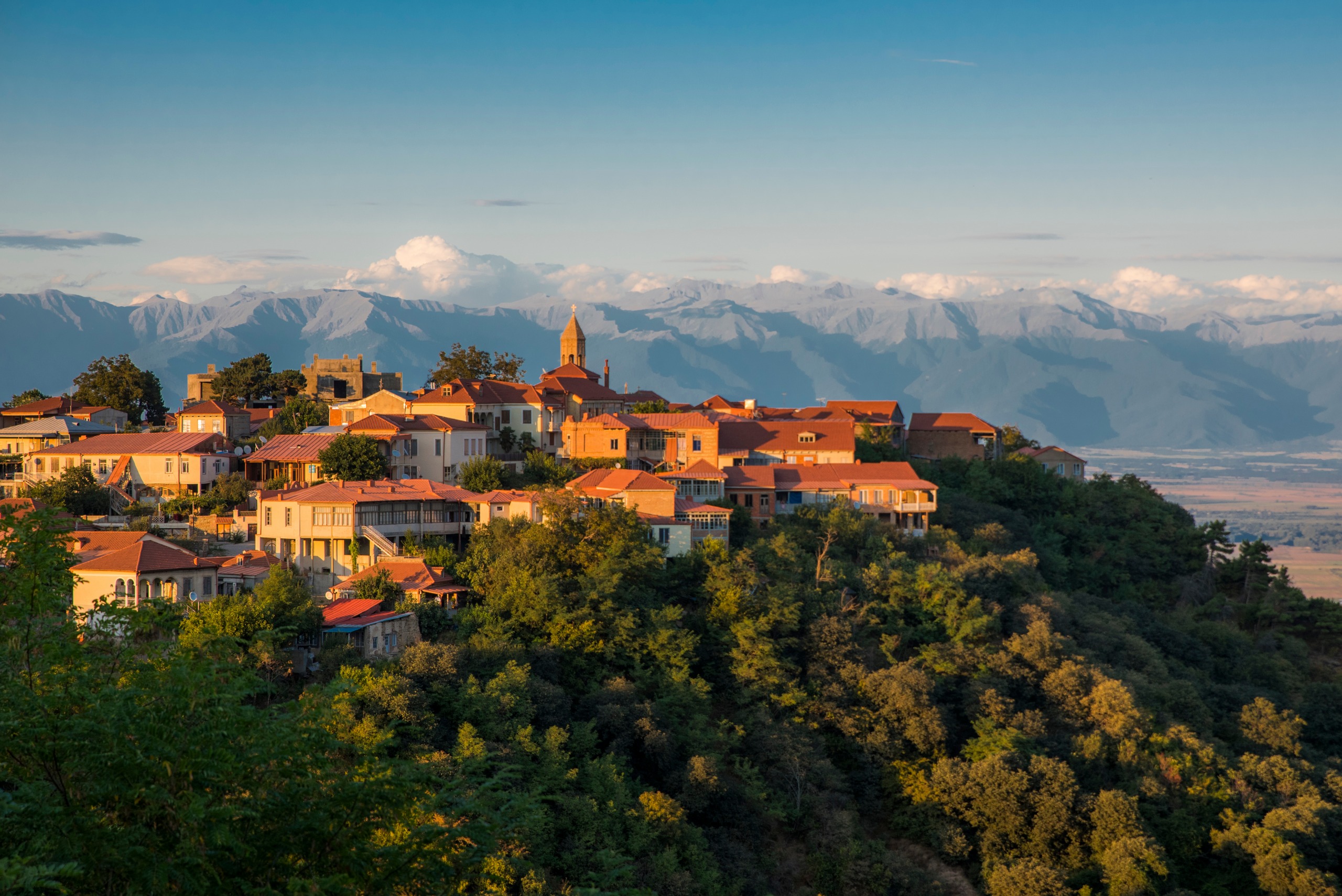
The historic wine region, two hours east of Tbilissi. The villages of Sighnaghi, perched on its hill with views over the Alazani plain and the Caucasus as a backdrop, and Telavi, the regional capital, structure visits. We work with around twenty families who make wine in qvevri, these earthenware jars buried underground. The harvest, the rtveli, takes place in late September and remains a highlight to experience with local families. The cave monastery of Davit Gareja, on the Azerbaijani border, offers a striking contrast with its semi-desert landscapes. Continental climate, grape harvest and beautiful October days.
Kazbegui and Central Caucasus
Three hours north of Tbilissi along the Georgian Military Road, the town of Stepantsminda sits at 1,750 meters, facing Mount Kazbek which peaks at 5,054 meters. The Trinity Church of Gergeti, perched at 2,170 meters, can be reached on foot in 1.5 hours or by 4x4. Truso Valley and Juta Valley offer full-day hikes through alpine meadows, ferruginous springs and shepherd hamlets. Summer temperatures remain cool, 15 to 22 degrees in July, and nights drop quickly. The road occasionally closes in winter after heavy snowfall.
Svaneti
The most isolated region in the country, in the northwest, accessible by domestic flight from Tbilisi or 8 hours by road via Zugdidi. Mestia, at 1,500 meters, and the hamlet of Ushguli, one of Europe's highest inhabited villages at 2,200 meters, line their defensive towers from the 12th and 13th centuries, UNESCO-listed. The Svans have preserved a distinct language and traditions. The four-day trek between Mestia and Ushguli, around 60 kilometers, remains one of the most striking in the Caucasus. Best season from June to October, snow the rest of the year.
Black Sea Coast and Adjaria
Batumi, a seaside resort and port, blends Art Nouveau buildings, a waterfront boulevard and modern towers. The city serves as the gateway to Adjaria, an autonomous region with a subtropical climate, where tea and citrus fruits grow. In the hinterland, mountain villages around Khoulo and the Makhuntseti arch bridge dating from the 12th century are worth a day trip. The local specialty is adjaruli khachapuri, a boat-shaped bread filled with cheese and an egg. Seaside season from June to September, water around 24 degrees in August.
Bordjomi and Central Georgia
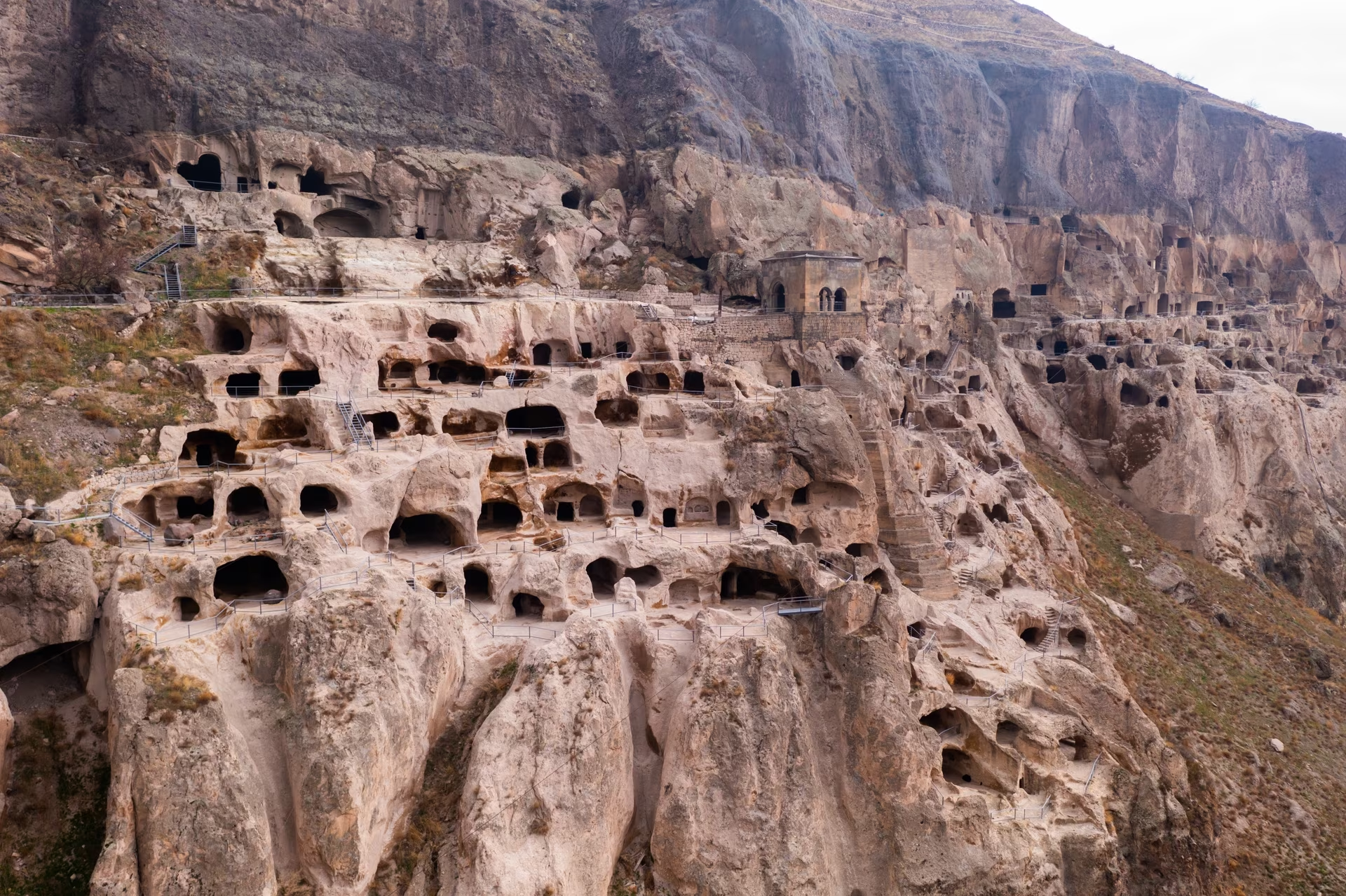
Halfway between Tbilissi and the coast, the Bordjomi valley is renowned for its mineral waters exploited since the 19th century and its national park, one of Europe's largest with 85,000 hectares of forests. The troglodytic site of Vardzia, a monastery carved into the cliff in the 12th century under the reign of Queen Tamar, once contained 3,000 caves across 13 levels. The fortress city of Akhaltsikhé and its restored Rabati castle complete the stop. A pleasant region from May to October, cool from 1,000 metres altitude.
Explore by theme
Unique experiences tailored to every traveler.
Culture & Heritage
Temples, musées, sites historiques
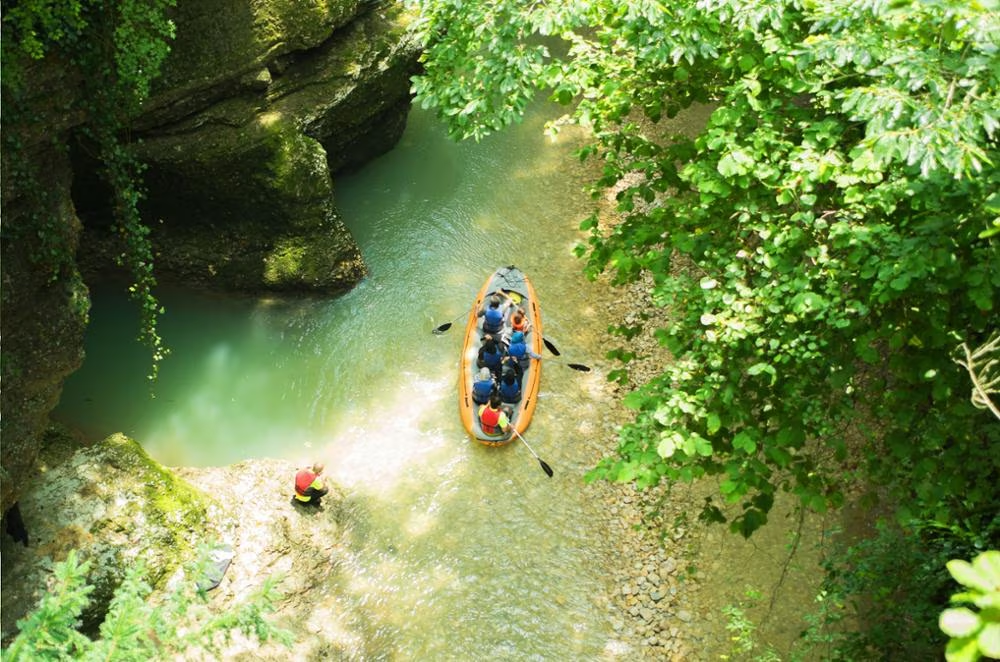
Nature & Landscapes
Parcs nationaux, montagnes, forêts
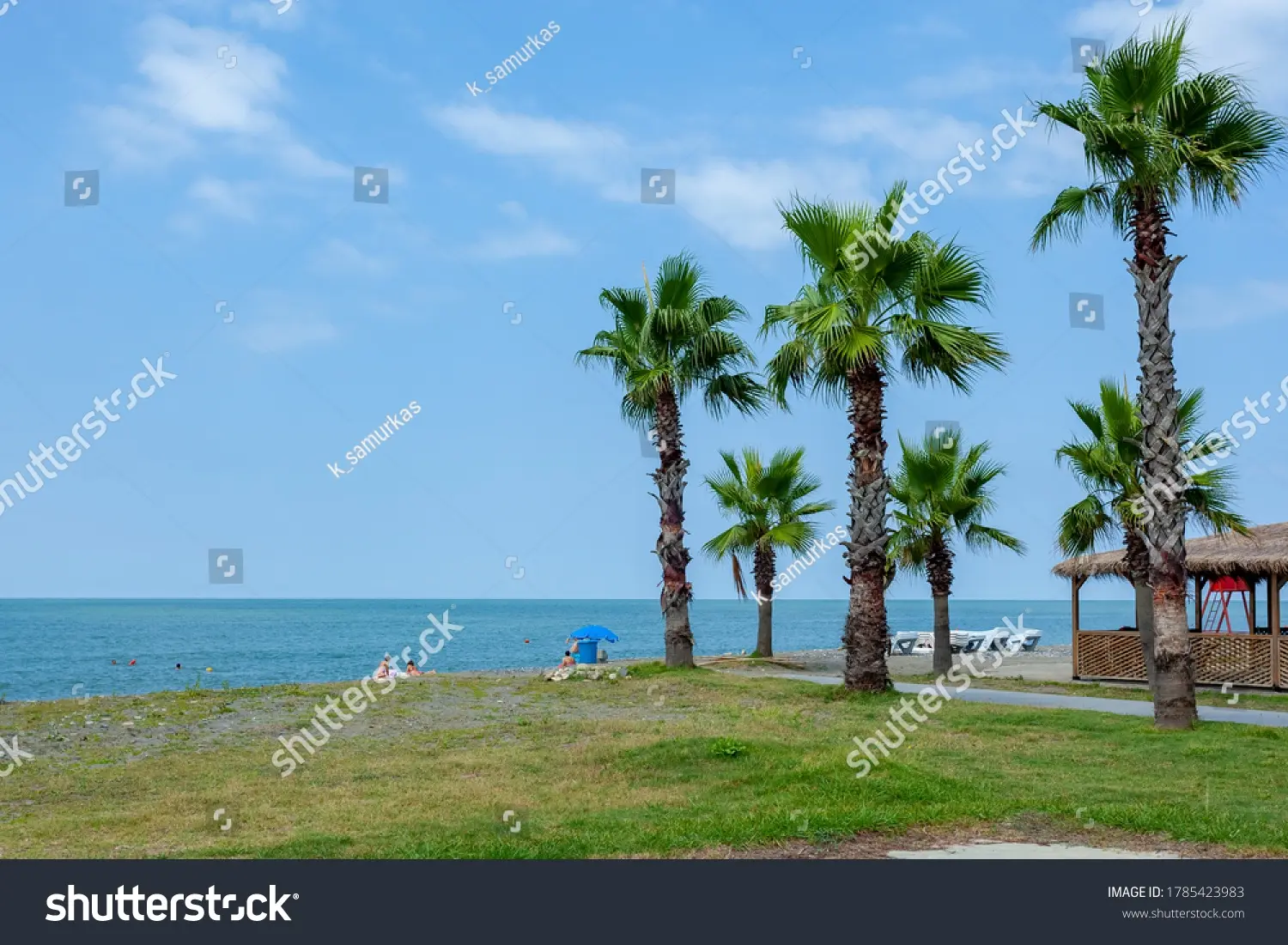
Sea & Beaches
Littoral, îles, sports nautiques
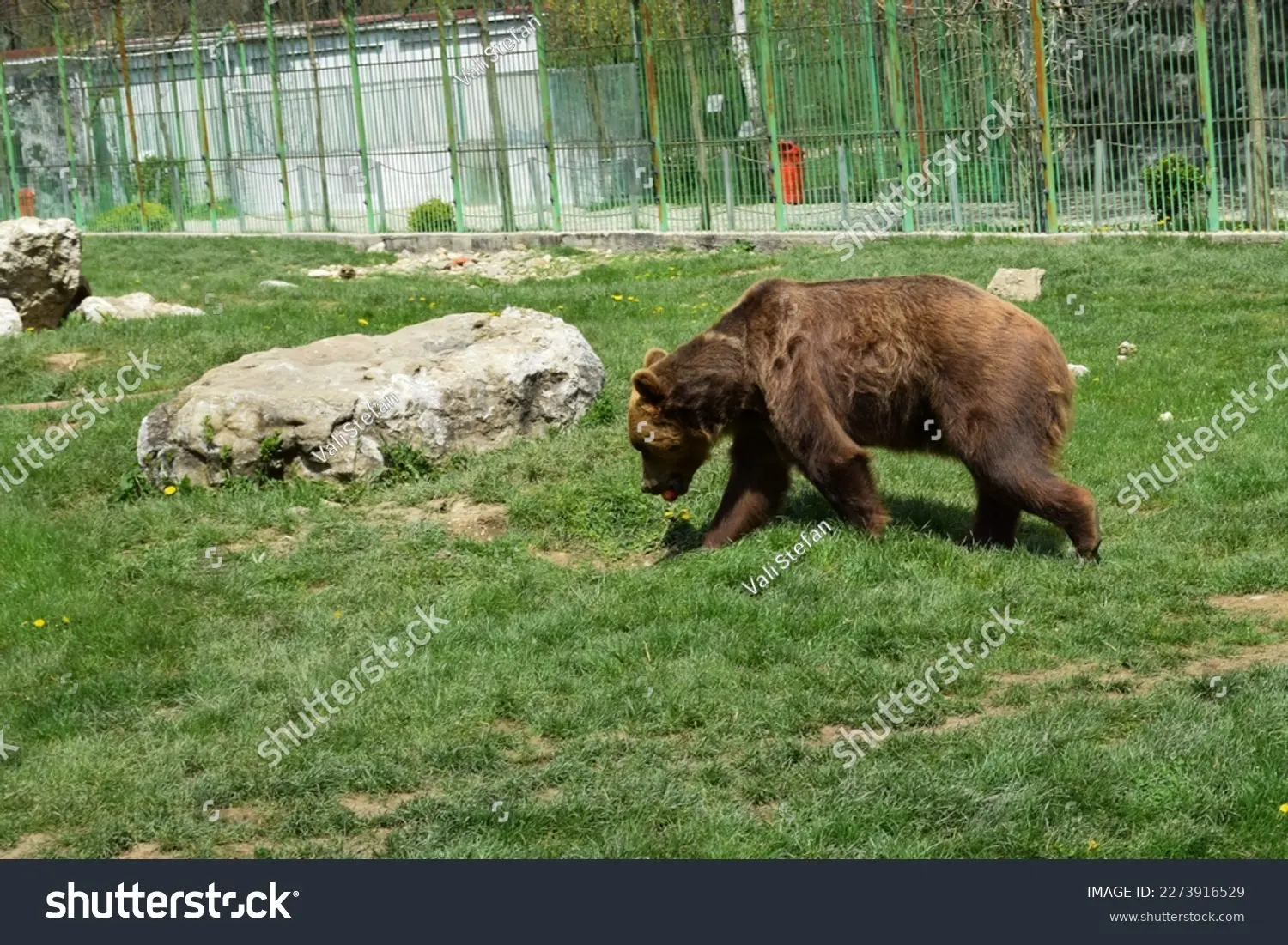
Wildlife & Biodiversity
Observation animale, sanctuaires, réserves
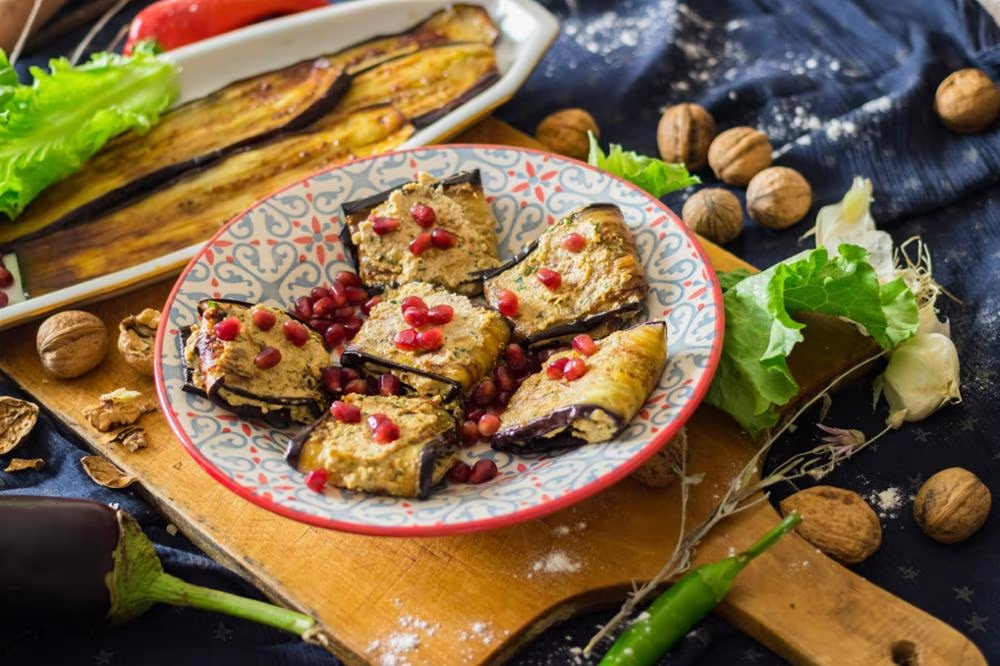
Gastronomy
Cuisine locale, marchés, cours de cuisine
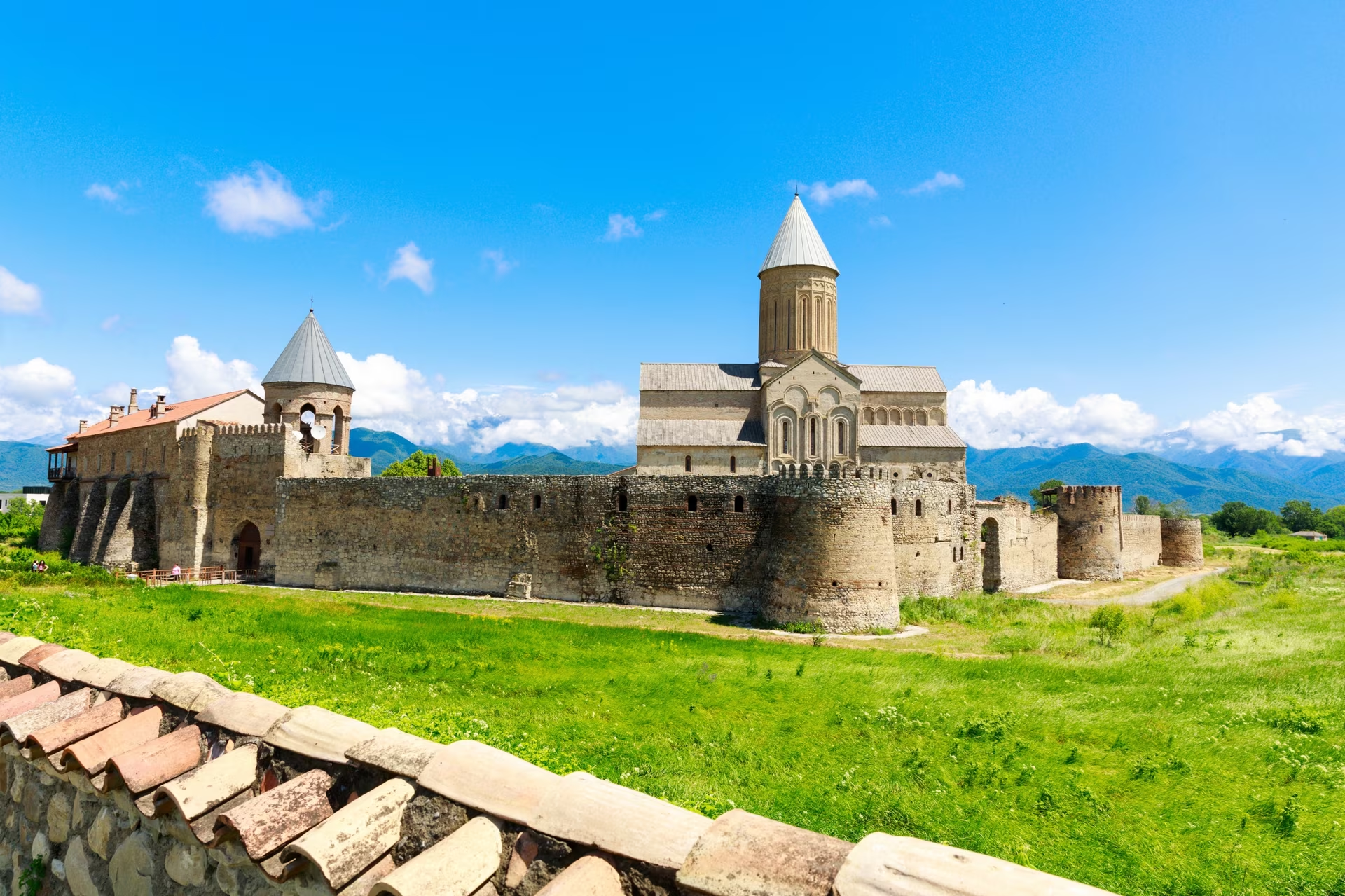
Spirituality
Temples, méditation, retraites spirituelles
We use cookies to improve your experience and measure our site's audience. You can choose what you accept. Learn more.