Georgian UNESCO World Heritage Sites
A magnificent destination for trekking, Georgia is also an exceptional travel destination for its architecture and history. It is home to three sites inscribed on UNESCO's World Heritage list.
A magnificent destination for trekking, Georgia is also an exceptional travel destination for its architecture and history. It is home to three sites inscribed on the UNESCO World Heritage list, which you absolutely must visit during a trip to Georgia :
Mtskheta
Mtskheta is undoubtedly one of the most beautiful places to visit in Georgia. This ancient city is brimming with historical treasures, which earned it a place on the UNESCO World Heritage list as early as 1994. Once the capital of the Georgian kingdom, Mtskheta was long a key center of Georgian power. But it is above all known as the cradle of the Georgian Church.
An ancient and sacred city, Mtskheta lay at the crossroads of the greatest empires and civilizations and remains today the spiritual and cultural center of Georgia. It is home to architectural masterpieces in a splendid setting, nestled between lush mountains and rivers.
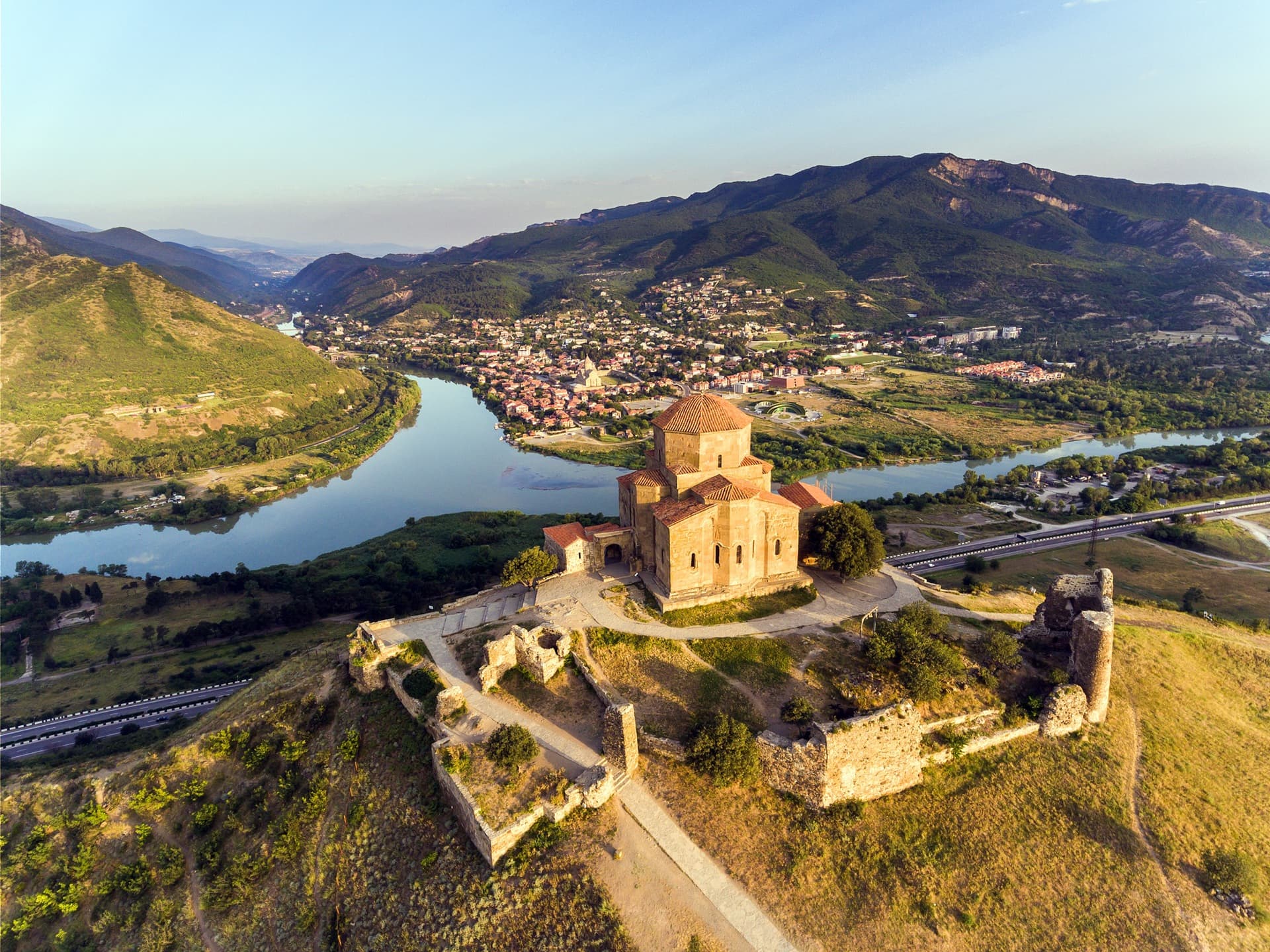
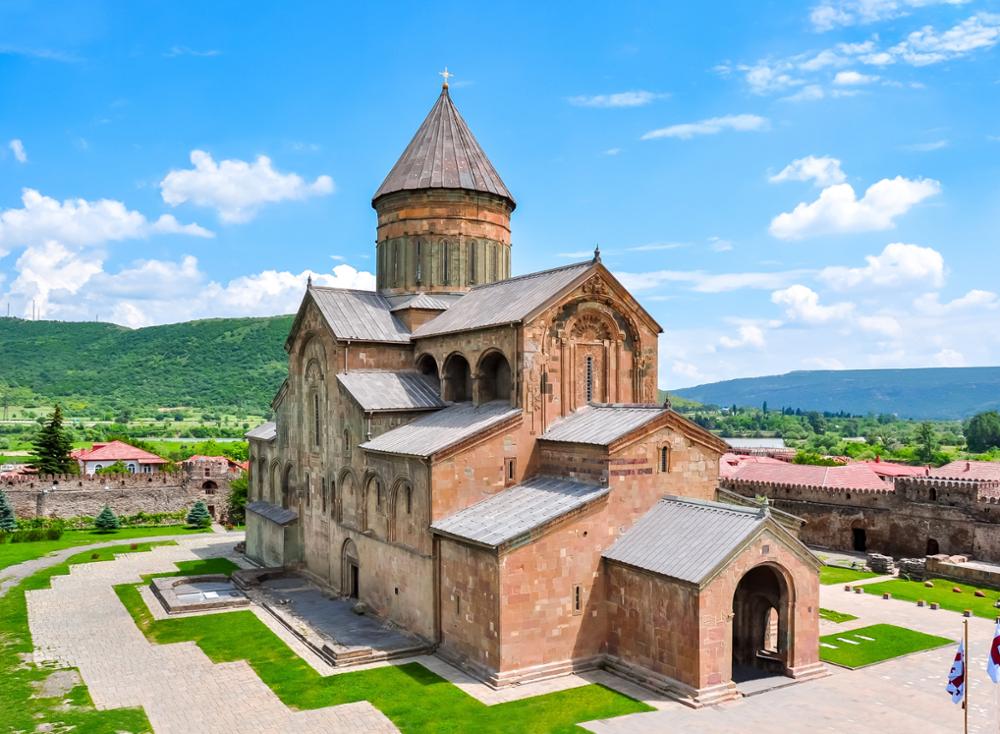
UNESCO recognizes in particular three historical monuments in Mtskheta. The Svetitskhoveli Cathedral is the most visited site in Georgia and, at its height, was an important sacred destination on the Silk Road. Built in the 11th century, it stands 54 meters tall with exceptional architecture and a décor rich in history. It notably houses the tunic of Jesus Christ. The Jvari Monastery, also called the Monastery of the Cross, overlooks the city with remarkable beauty. This important religious site houses the remains of the wooden cross crafted by Saint Nino. Built in the 6th century, this monastery is a magnificent example of Georgian architecture. A nearby lake is nicknamed the "lake of tears," formed, according to legend, by the tears of moved pilgrims. Finally, the Samtavro Monastery, dating from the 4th century, houses two churches that played important political and religious roles in Georgia's history.
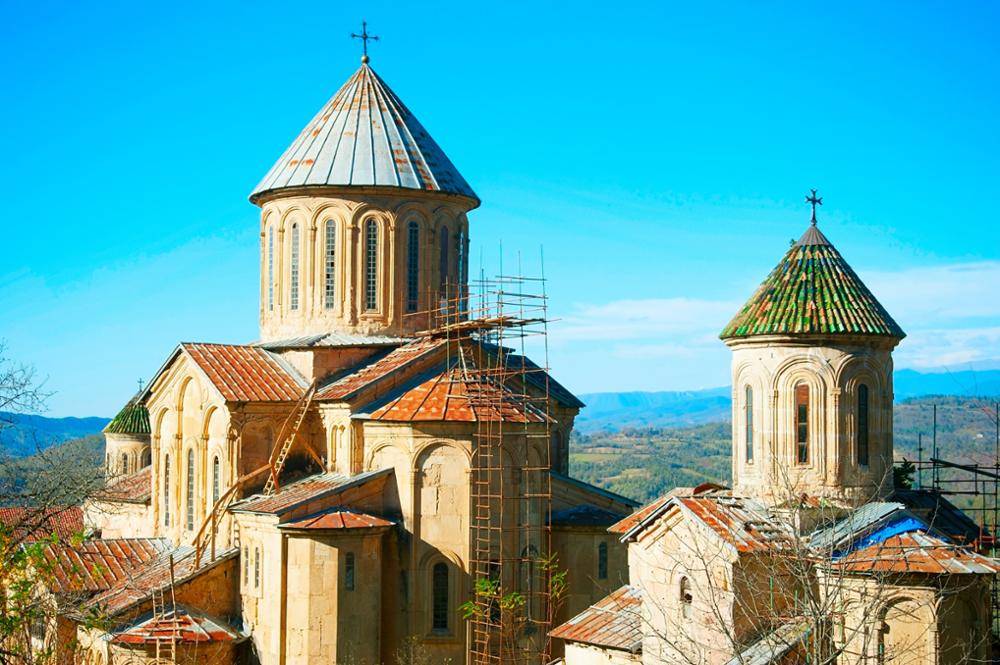
Ghelati Monastery
Another religious site inscribed on UNESCO's World Heritage list, the Ghelati Monastery is of enchanting beauty. Founded in the 12th century, this immense religious complex was one of the greatest of the Middle Ages and perfectly reflects the Orthodox architecture of the era. It was also an important academy and a major center of culture. Numerous scientific and spiritual works were conceived within its walls. A true history book beneath the open sky, this monastery is richly decorated and colorful. It is one of the most important historical sites in the country, not to be missed during your visit.
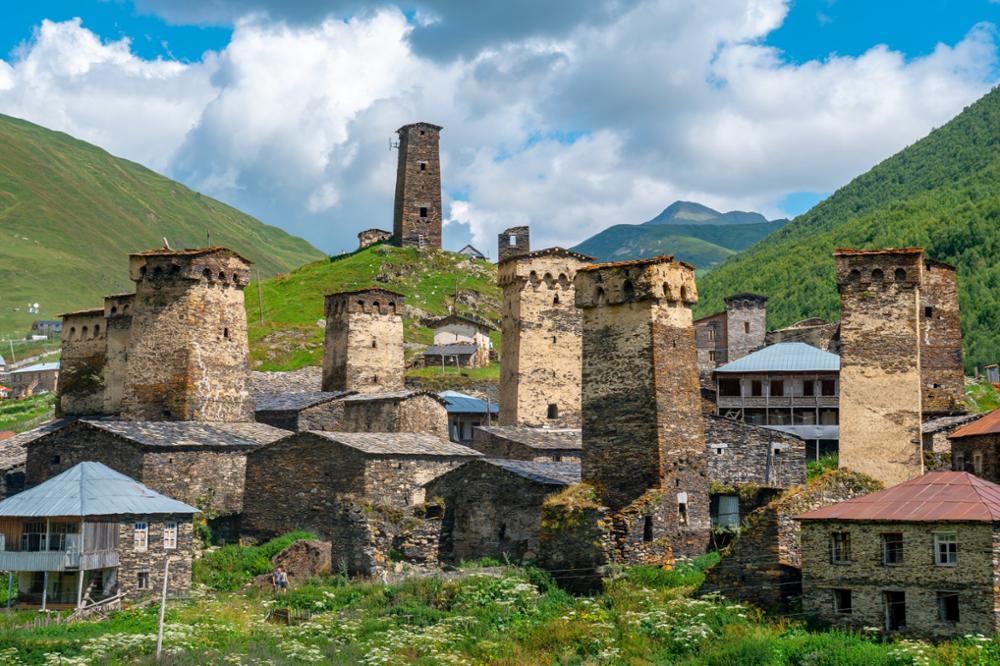
Upper Svaneti
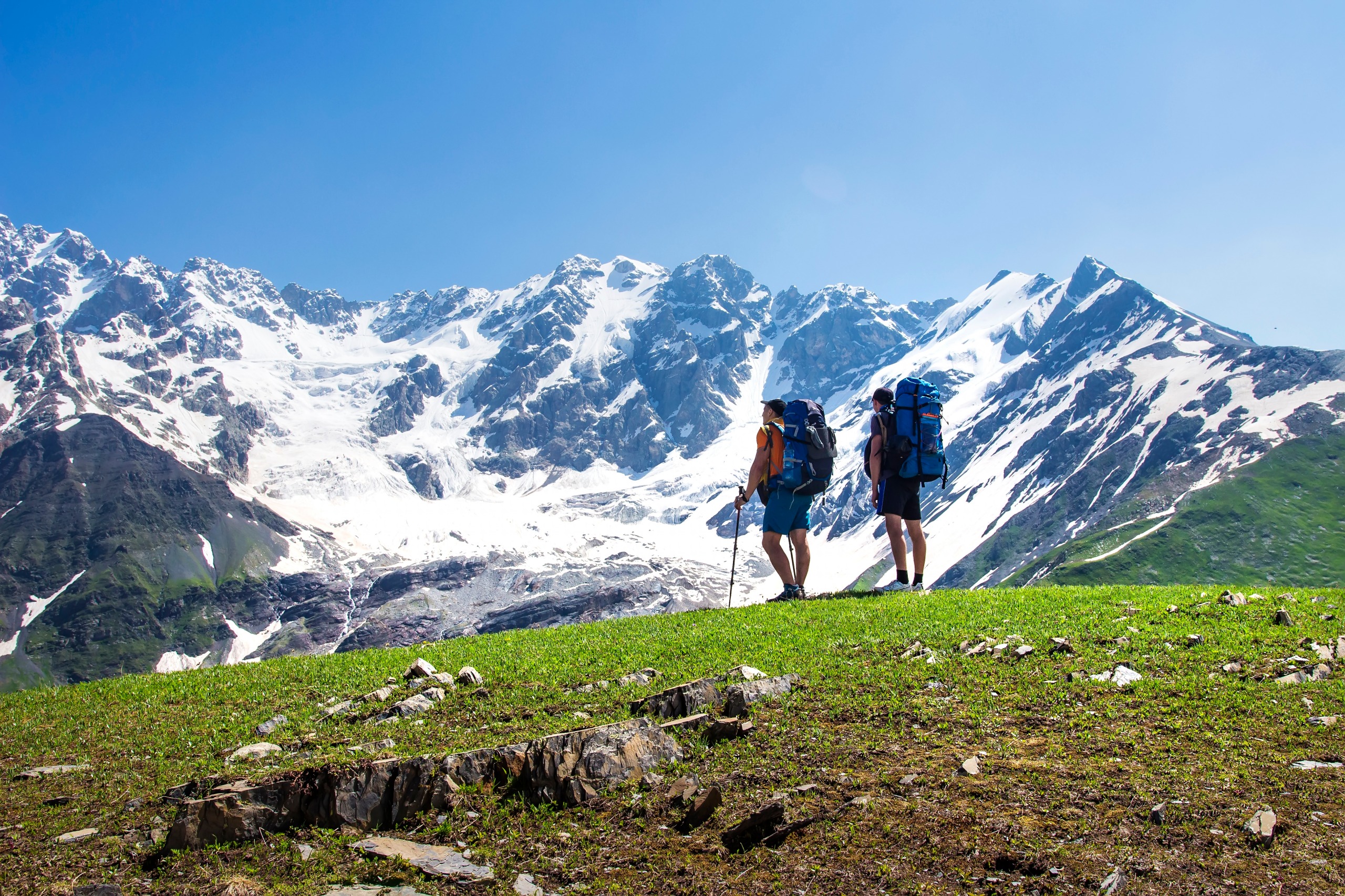
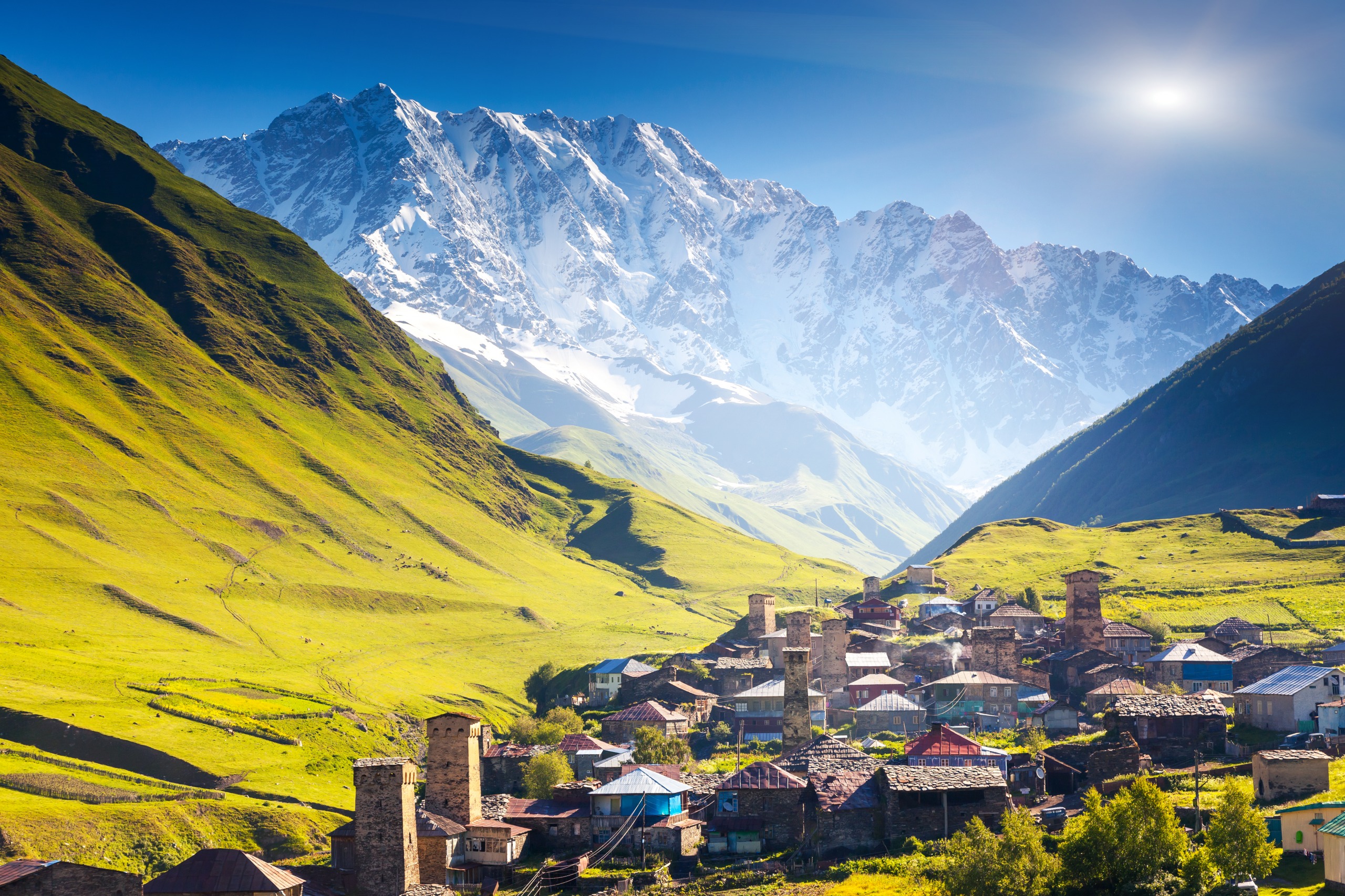
The Svaneti region is one of the most beautiful in Georgia. Extraordinarily unique, it is home to exceptional untamed landscapes and an incredible history. This region, isolated from the world and conquest, has managed to preserve its timeless charm and the villages still have a medieval air. Upper Svaneti is especially known for its tower houses, typical of the region. These stone dwellings with three to five stories served to protect inhabitants and are still inhabited today. You can notably see them in the village of Chazhashi (Usghuli). This unique architecture is complemented by an authentic language, culture, and cuisine that give this corner of Georgia an unmatched charm.
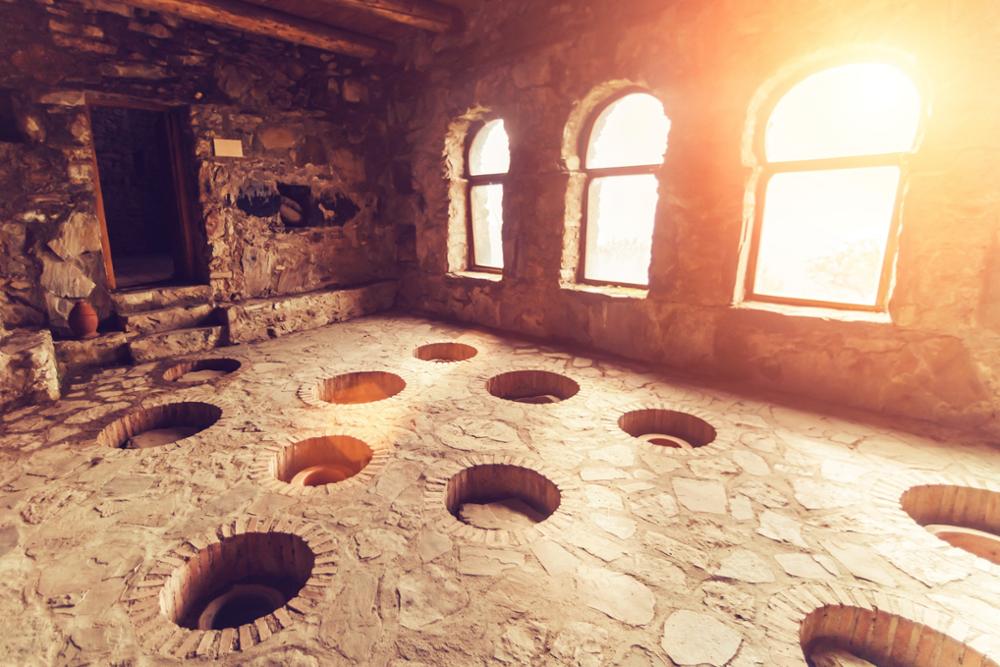
Bonus: Georgian Winemaking
The Georgian winemaking tradition has also earned recognition from UNESCO as intangible cultural heritage. This excellence in craftsmanship has made Georgia's reputation internationally. Georgia is indeed known as the cradle of wine, and one of the finest producers of this delightful beverage: thanks to its ancestral and unique method, which consists of fermenting grape juice in "qvevri", large clay vessels, Georgia produces delicious and inimitable wines.
Frequently asked questions
Georgia has 3 sites inscribed on the UNESCO World Heritage list: the historic city of Mtskheta, Ghelati Monastery, and Upper Svaneti. To this can be added Georgian winemaking in qvevri, recognized as UNESCO's intangible cultural heritage.
Svetitskhoveli Cathedral, built in the 11th century in Mtskheta, is the most visited site in Georgia. Standing 54 meters tall, it is the spiritual heart of the Georgian Orthodox Church and houses, according to tradition, the tunic of Jesus Christ. It was also an important sacred destination on the Silk Road.
Upper Svaneti is an isolated mountainous region accessible from Tbilisi by minibus (marshrutka) via Zugdidi, or by plane for domestic flights to Mestia. The minibus journey takes approximately 9 to 11 hours. The road is spectacular but can be closed in winter.
The tower houses of Upper Svaneti are stone structures with 3 to 5 stories, typical of the region. They originally served as refuges for inhabitants during invasions or conflicts between clans. Some are still inhabited today and form an integral part of the medieval landscape of villages such as Chazhashi (Usghuli).
Georgia is recognized as one of the world's oldest wine-producing countries, with a winemaking tradition dating back over 8,000 years. Its ancestral method consists of fermenting grape juice in qvevri, large clay vessels buried in the ground. This unique know-how has been inscribed on UNESCO's intangible cultural heritage list since 2013.
Spring (April-June) and autumn (September-October) are the best times to visit Mtskheta and Ghelati Monastery, with mild temperatures and fewer tourists. For Upper Svaneti, summer (July-August) is ideal, as mountain roads are passable and the landscapes are at their most beautiful.