Visiting Gori, Stalin's Birthplace
Did you know that Joseph Stalin was born in Georgia? More precisely in the small town of Gori. Needless to say, the city greatly benefited from his reign to enhance itself.
Did you know that Joseph Stalin was born in Georgia? More precisely in the small town of Gori near the Russian border. It goes without saying that the city greatly benefited from his reign to embellish itself. While Gori is not part of the usual Georgia circuits, it's worth the detour for history lovers. Plus, it's located right next to Uplistsikhe, the famous cave town, so don't miss the opportunity to immerse yourself in two very different historical periods! Gori is only an hour and a half from Tbilisi and can easily be visited in a single day.
The Stalin Museum
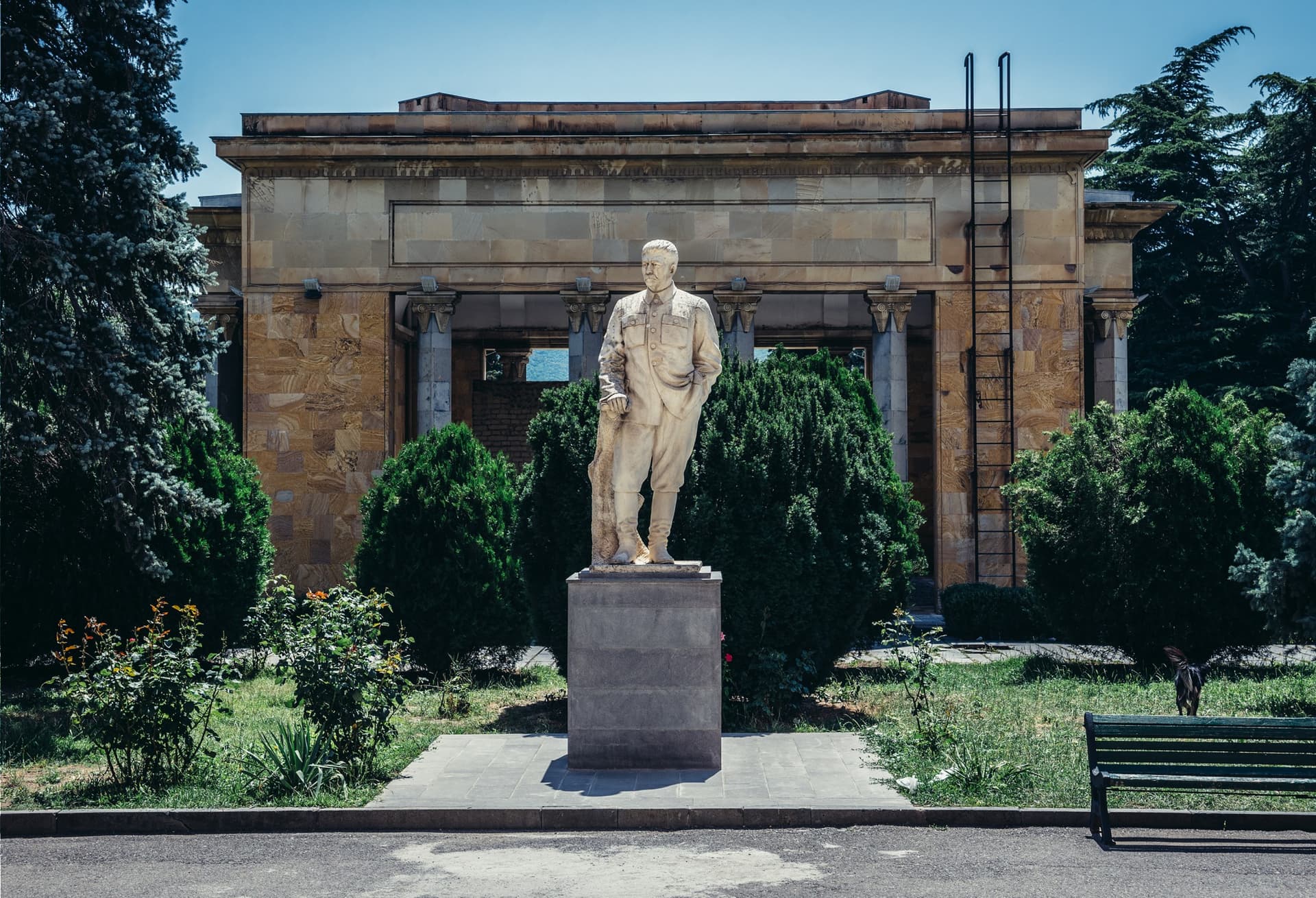
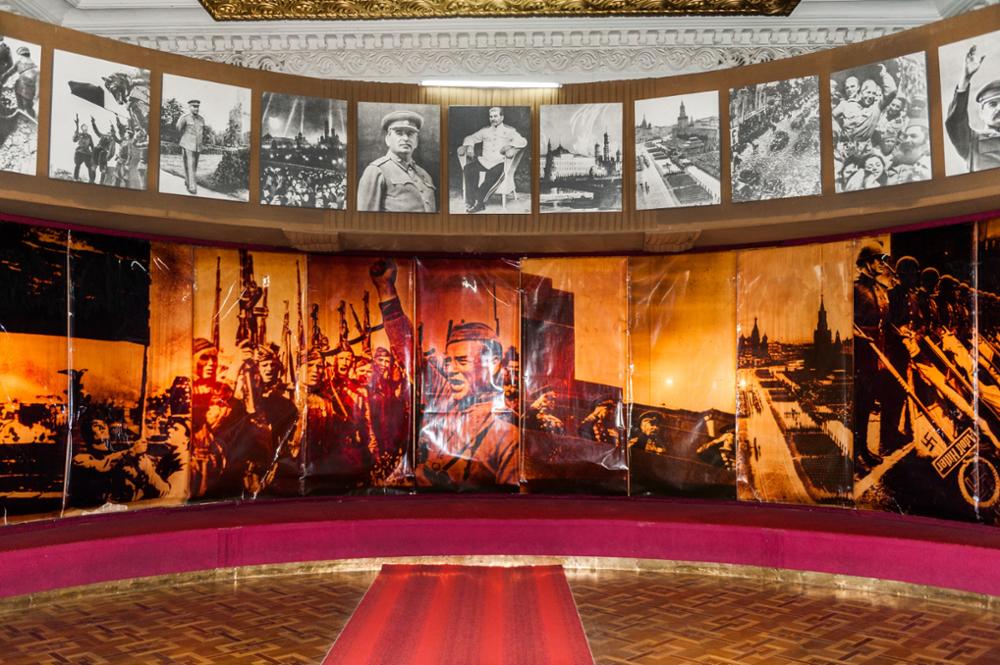
Opened in 1957, the Stalin Museum presents a heroic leader from A to Z, with little nuance. It is located in the house where Joseph Stalin grew up in Gori and traces the life of the Soviet leader from his early childhood. You can see his first poems, his incarcerations and rebellions, his exchanges with Lenin, gifts received from around the world, a reconstruction of his Kremlin office, and numerous personal objects. Recently, a small room has been dedicated to the purges and Gulags, but museum guides will be pleased to depict him only in a positive light. In the garden, don't miss the train car in which Stalin traveled to Yalta in 1945 and one of the last Stalin statues.
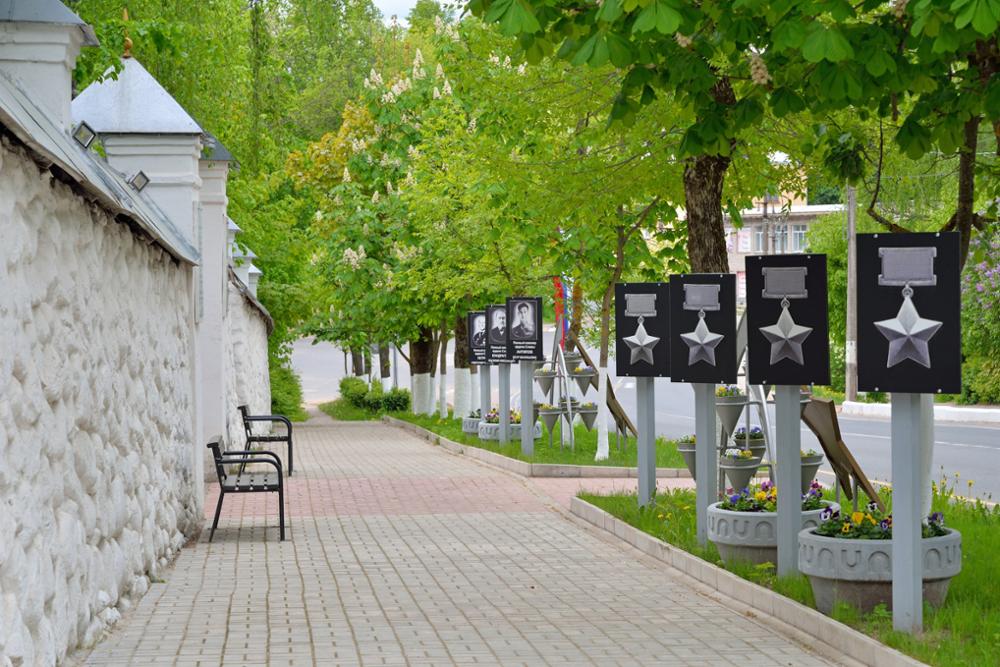
The War Museum
Another interesting museum in the city of Gori, this one exhibits Gori's role during World War II (or the Great Patriotic War). One room is also dedicated to the 2008 Russo-Georgian War, during which Gori suffered significant bombardments. In fact, you can see one of these bombs in the war museum.
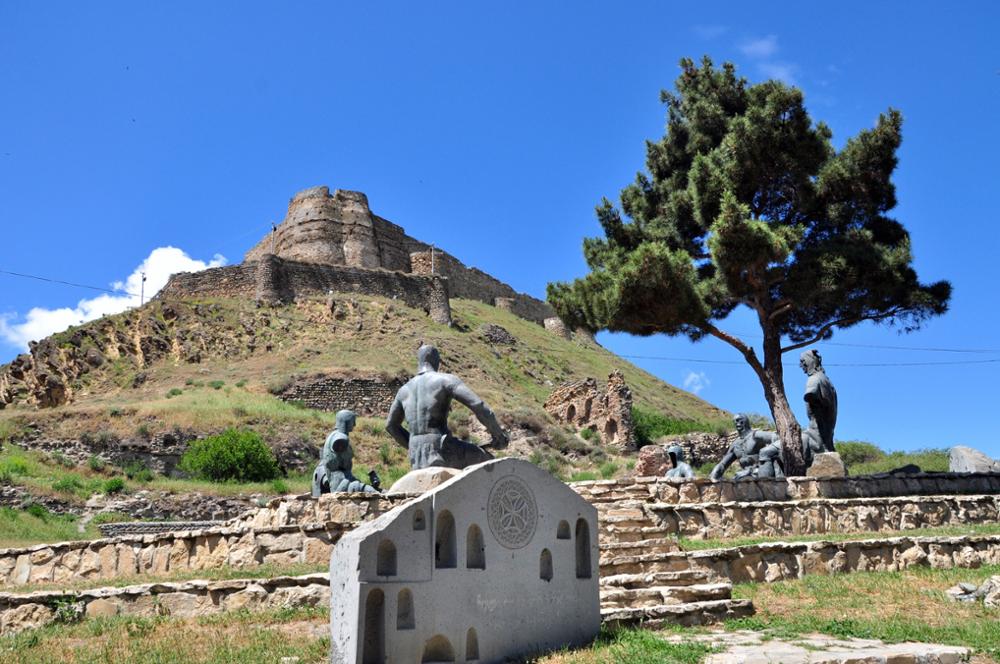
Gori Fortress
This ancient stone structure overlooks the city from a hilltop. This imposing medieval fortress is well worth a visit, if only for the views it offers over the valley. You can walk along the walls, even though part of the building was destroyed during the 1920 earthquake. According to archaeologists, this location was already fortified as early as the last centuries before our era, but the current construction dates from medieval Georgia. Here too, you can see traces of the 2008 war, in the form of a statue of eight mutilated soldiers.
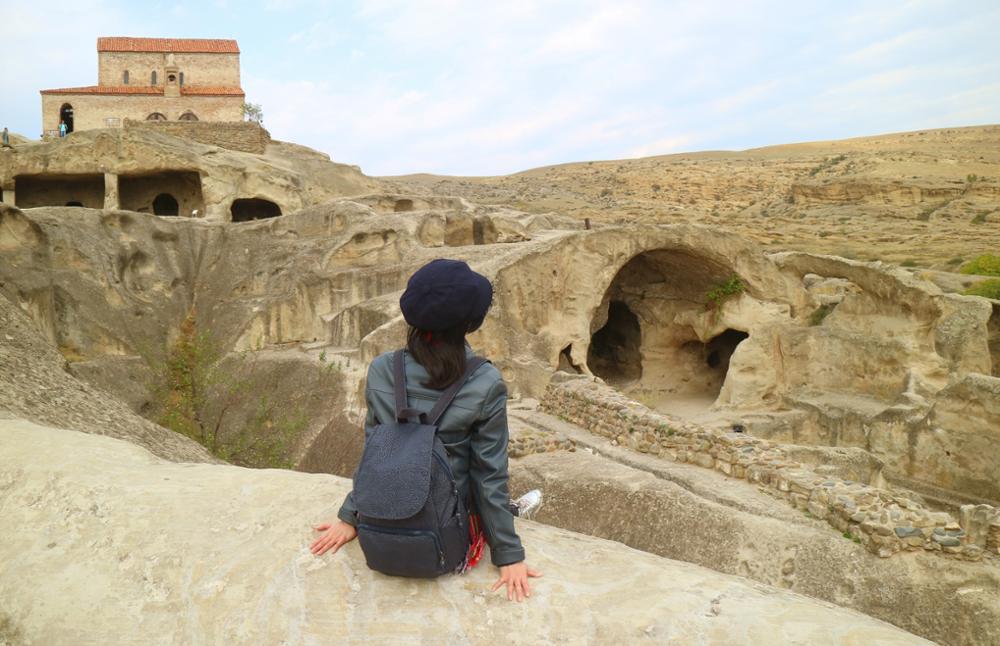
Uplistsikhe
Only 10 km east of the city of Gori lies the most beautiful archaeological site in the Caucasus, Uplistsikhe. Today, Uplistsikhe is listed as a UNESCO World Heritage Site. This massive cave complex was built between the 6th century before our era and the 1st century. Originally designed as a religious complex, with numerous temples dedicated to the sun goddess, it was later inhabited by kings and the people. At its height, Uplistsikhe was home to up to 20,000 people. The site is among the must-sees on a Georgia trip. Also don't miss the church located at the top of the hill, which was built in the 10th century.
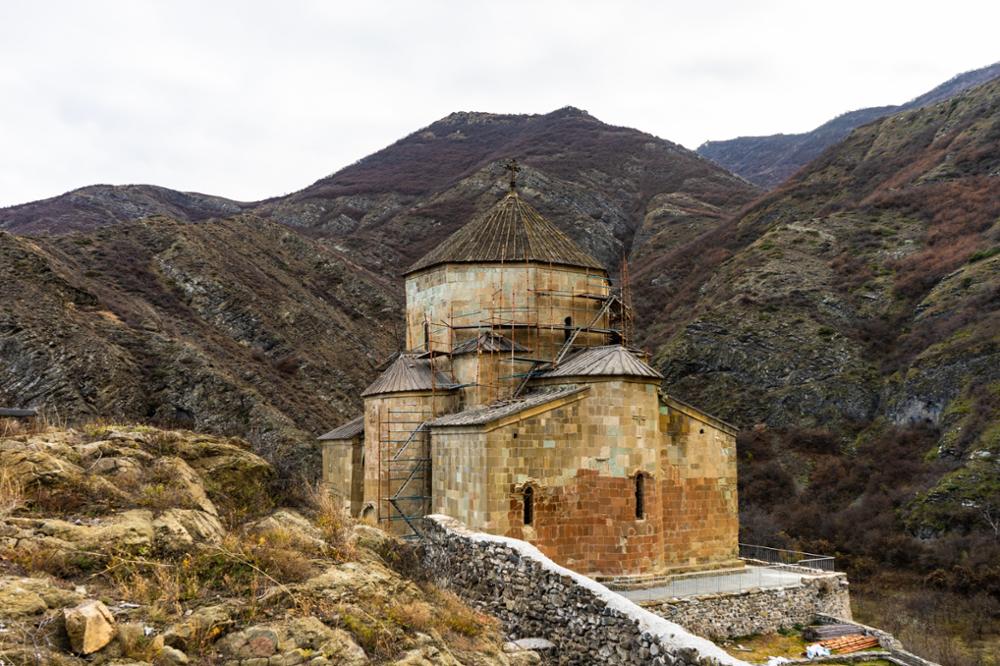
Ateni Sioni
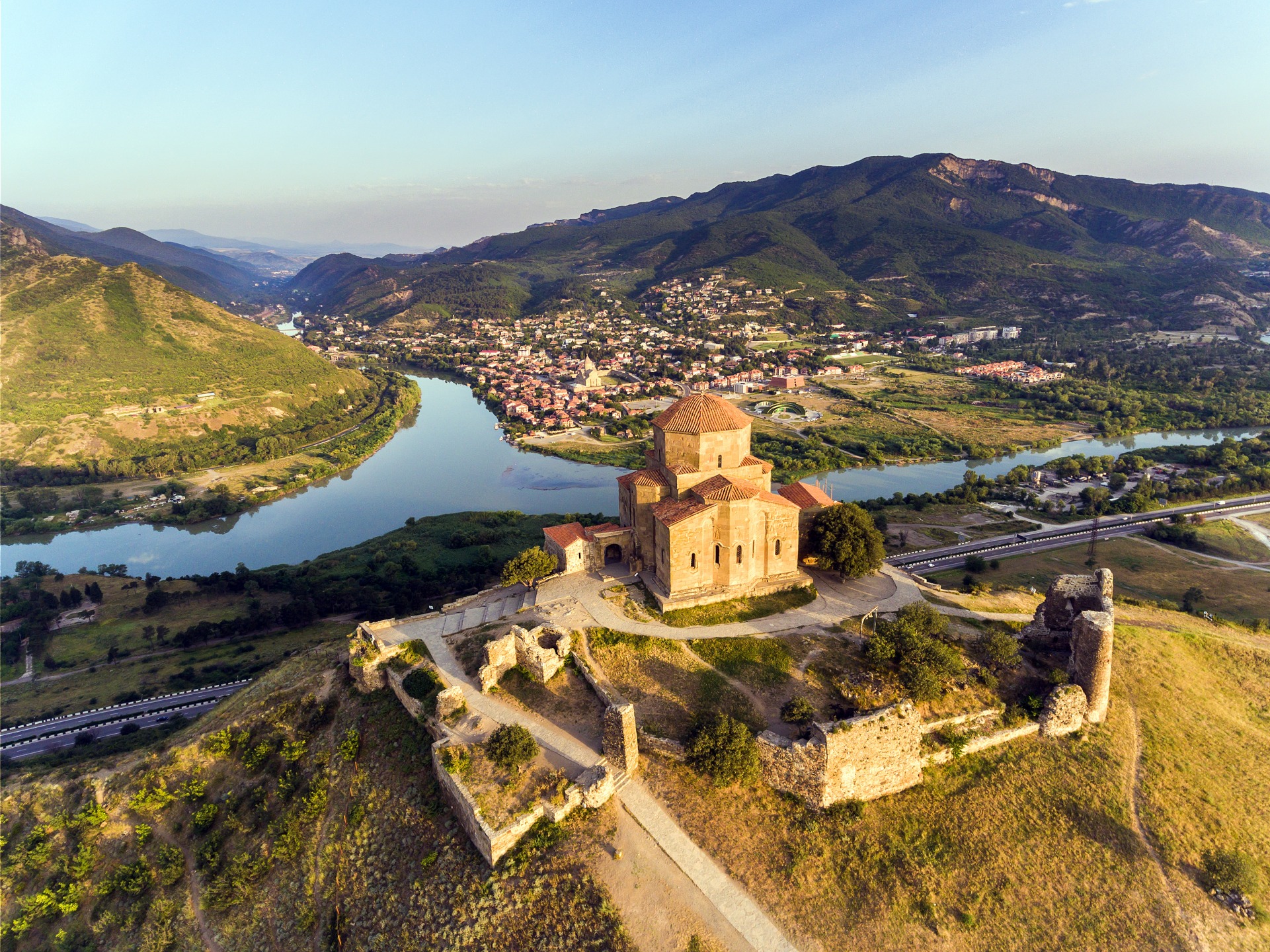
About 12 km south of Gori, this magnificent church is one of the most typical examples of Georgian architecture. Built in the 7th century, it overlooks the Tana wine valley. Its imposing stone walls are decorated with engravings, for example of knights or hunting scenes. A fresco inside the church ranks among the finest medieval works, depicting Georgian kings and biblical scenes.
Frequently asked questions
Gori is located about 1.5 hours from Tbilisi. You can take a marshrutka (minibus) from the Didube bus station in Tbilisi, which is the most economical option. Train service is also available. By car, expect about 1 hour and 15 minutes via the E60 highway.
Yes, absolutely! Gori and Uplistsikhe can be visited in a single day from Tbilisi. Start with the Stalin Museum and Gori Fortress in the morning, then head to Uplistsikhe located just 10 km to the east in late morning. You can also combine this with a visit to Ateni Sioni, 12 km south of Gori.
Yes, Uplistsikhe is one of the sites inscribed on the UNESCO World Heritage List in Georgia. This cave complex carved into the rock dates back to the 6th century before our era and once housed up to 20,000 people, making it one of the most important archaeological sites in the Caucasus.
The Stalin Museum is a unique and must-see experience for history enthusiasts. Opened in 1957, it presents Stalin's life in a very positive manner, which makes it itself a fascinating historical testimony. Don't miss the train car in which Stalin traveled to Yalta in 1945 or the birthhouse preserved within the museum grounds.
During the August 2008 Russo-Georgian war, Gori suffered significant Russian bombardments. The city was briefly occupied by Russian forces. The city's war museum has a room dedicated to this conflict, and traces of the war are still visible in the city, notably a sculpture of eight mutilated soldiers near the fortress.